



Critics say immigration profiling and strict scrutiny cause unnecessary stress
FIA Denies Overseas Travel Restrictions Amid Growing Social Media Buzz
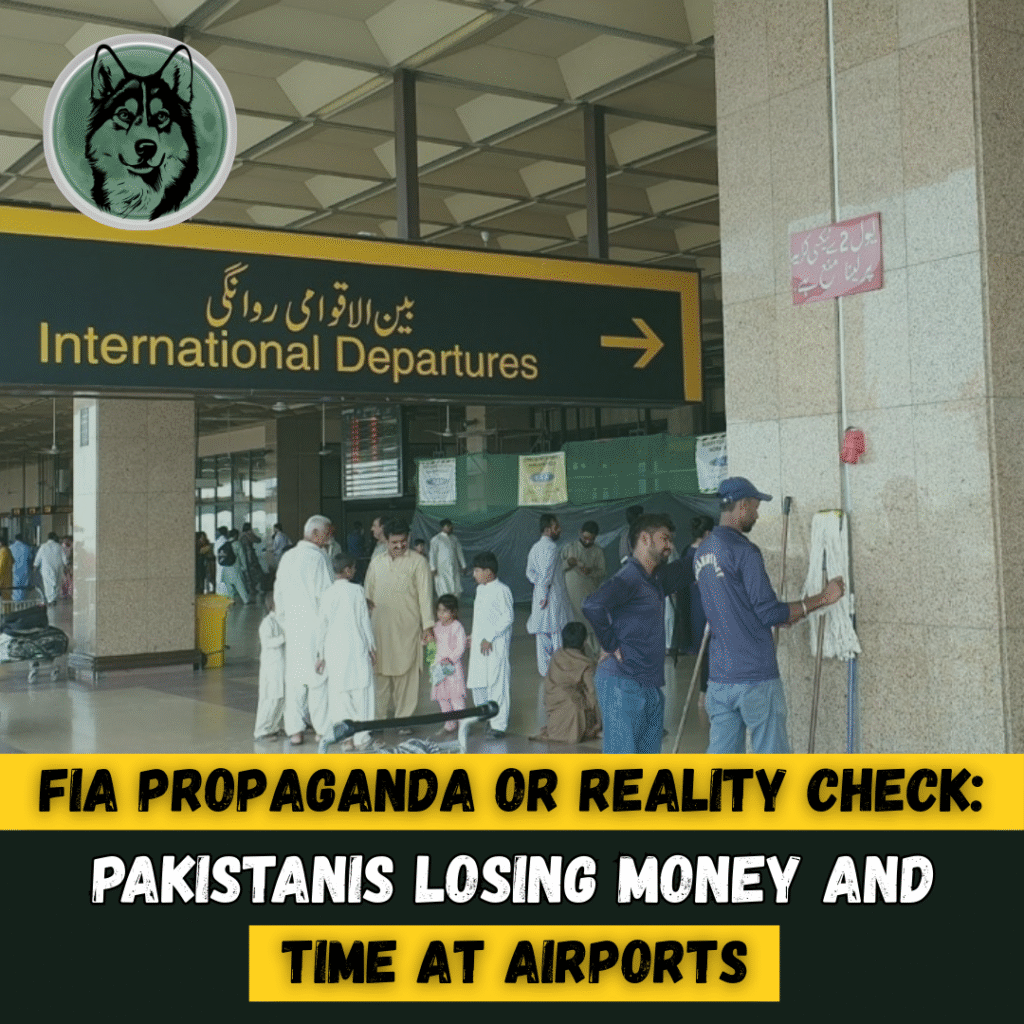
The Federal Investigation Agency has dismissed social-media claims suggesting that Pakistanis traveling abroad on work and visit visas are being stopped at airports. FIA Lahore Zone Director Captain (retd) Ali Zia stated that AI-generated videos and fabricated reports were spreading false impressions of offloading and discouraging travelers.
However, the claims by passengers and social media users indicate a disconnect between official statements and on-the-ground reality. Thousands of Pakistanis have reported being offloaded, sometimes despite having valid documents, leading to financial losses and missed appointments abroad.
Profiling or Harassment: The Passenger Experience
According to the FIA, offloading occurs only for passengers with incomplete documents or suspicious visas. Critics question this logic: How can citizens traveling for legitimate work or tourism be subjected to additional scrutiny that disrupts their plans? Is this profiling being implemented fairly and efficiently?
Reports indicate that offloading has been most frequent for first-time travelers on work visas. This raises concerns about the effectiveness and transparency of immigration procedures, especially when strict profiling leads to ticket loss and economic hardship for ordinary citizens.
Human Smuggling Crackdown or Punishing Citizens?
FIA officials emphasize that strict profiling is intended to prevent human smuggling, referencing tragedies like the Greece boat incident. While curbing human trafficking is necessary, the question arises: Are genuine passengers being punished in the name of security? Could better systems and risk-based screening reduce unnecessary offloading?
Citizens complain that heavy-handed enforcement damages Pakistan’s reputation abroad and erodes trust in immigration processes. Why is there no clear public communication plan to distinguish between genuine enforcement and false propaganda?
Financial Losses and Systemic Failures
Passengers report lost tickets, travel delays, and extra expenses due to offloading, highlighting government inefficiency. Even if some cases involve incomplete documentation, the current system lacks fairness and transparency, creating opportunities for corruption or abuse.
Why are first-time travelers not being guided adequately? Could automation, proper verification channels, or awareness campaigns prevent these recurring problems?
Action Against Propaganda but Not Practical Problems
FIA has initiated action against 15 social-media accounts spreading false claims under the PECA Act. While tackling misinformation is important, critics argue: Why focus on rumours when real citizens face harassment and financial loss? Will punishing social media accounts fix the systemic gaps in airport immigration?
The official stance does not address the root issues of inadequate staff training, inconsistent scrutiny, or lack of clear guidance for travelers, leaving many frustrated and financially burdened.
Why this buzz is going on?
The controversy reveals a mismatch between official statements and citizen experiences. While FIA denies widespread problems, repeated offloading incidents suggest systemic inefficiency.
Why is there no transparent reporting mechanism for travelers? How can passengers trust immigration authorities when real losses continue to occur?
Until practical reforms are implemented, such as better document verification, pre-flight counseling, and streamlined risk assessment, citizens will continue to bear the brunt of both actual enforcement and perceived propaganda.