




UN estimates show Pakistan facing severe HIV burden
HIV Crisis Deepens in KP
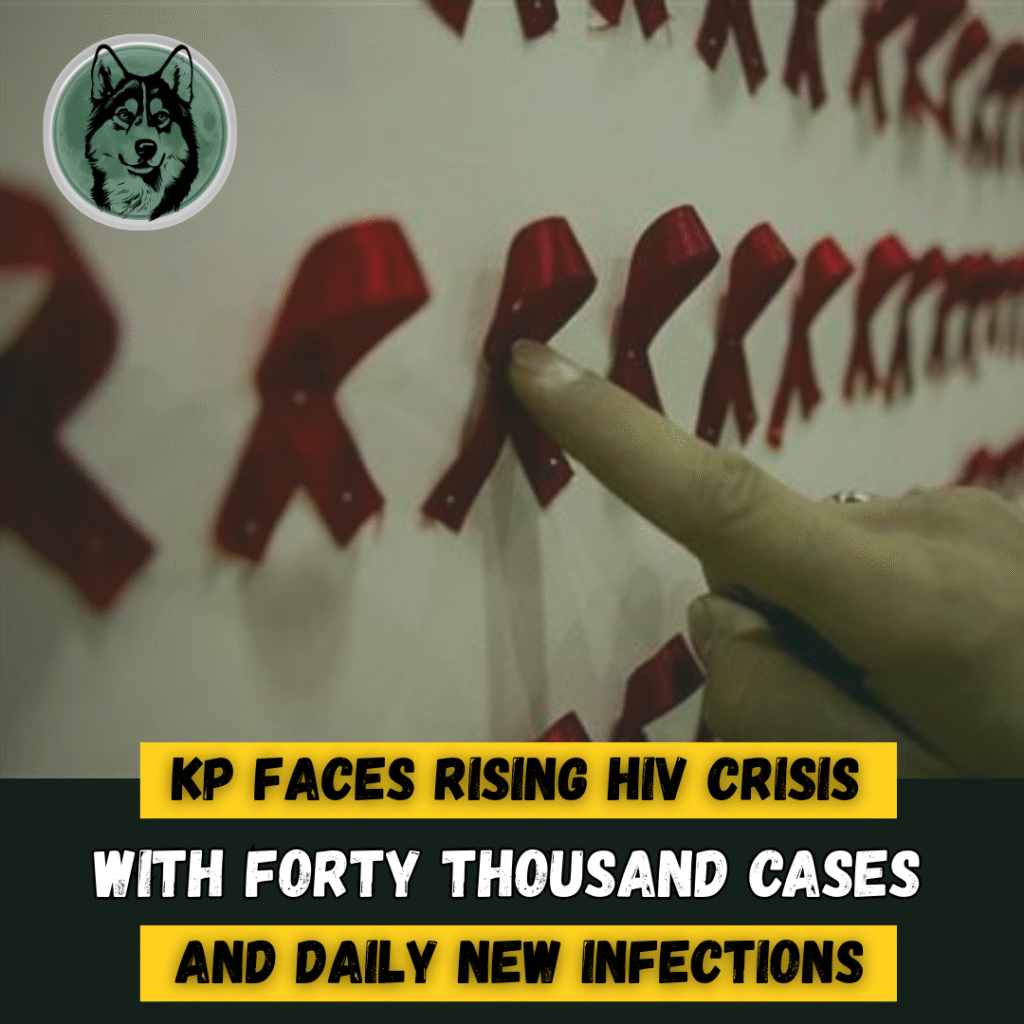
Khyber Pakhtunkhwa is facing a growing HIV crisis as health officials report nearly forty thousand infected individuals with fifteen to twenty new cases emerging daily. The figures were shared during a World AIDS Day briefing at the Peshawar Press Club.
Dr Tariq Hayat Taj said only nine thousand eight hundred patients are registered despite far larger numbers suspected across the province.
Stigma Prevents Testing
Dr Tariq explained that harsh societal attitudes discourage people from seeking testing, allowing the virus to spread quietly. He emphasized that fear of discrimination remains a major obstacle.
Unsafe Medical Practices Fueling Spread
The provincial AIDS program director highlighted dangerous practices such as reused syringes, unregulated clinics, quack doctors, and unsterilized barber tools. These, he said, are accelerating the infection rate.
He stressed that HIV is treatable and that free lifelong medication is available through the government.
High Risk Groups and Trends
According to UN estimates, forty thousand people in KP and three hundred thirty thousand nationwide are living with HIV. During recent screenings, one hundred ninety seven transgender individuals at Iqbal Plaza tested positive and have been enrolled in treatment.
Sixty percent of patients are men, thirty percent women, and ten percent transgender individuals. Vulnerable groups include drug users, transgender communities, and sex workers.
WHAT WHERE WHY AND HOW
What is driving the increasing HIV rate
Stigma, reluctance to test, and unsafe medical practices are major contributors.
Where is the virus spreading most
Outbreaks are emerging in high risk urban zones and unregulated medical settings.
Why is the crisis escalating
Underreporting and widespread use of unsafe syringes are creating a silent chain of transmission.
How can the spread be controlled
Strict regulation of clinics, public awareness campaigns, and widespread testing are essential.