



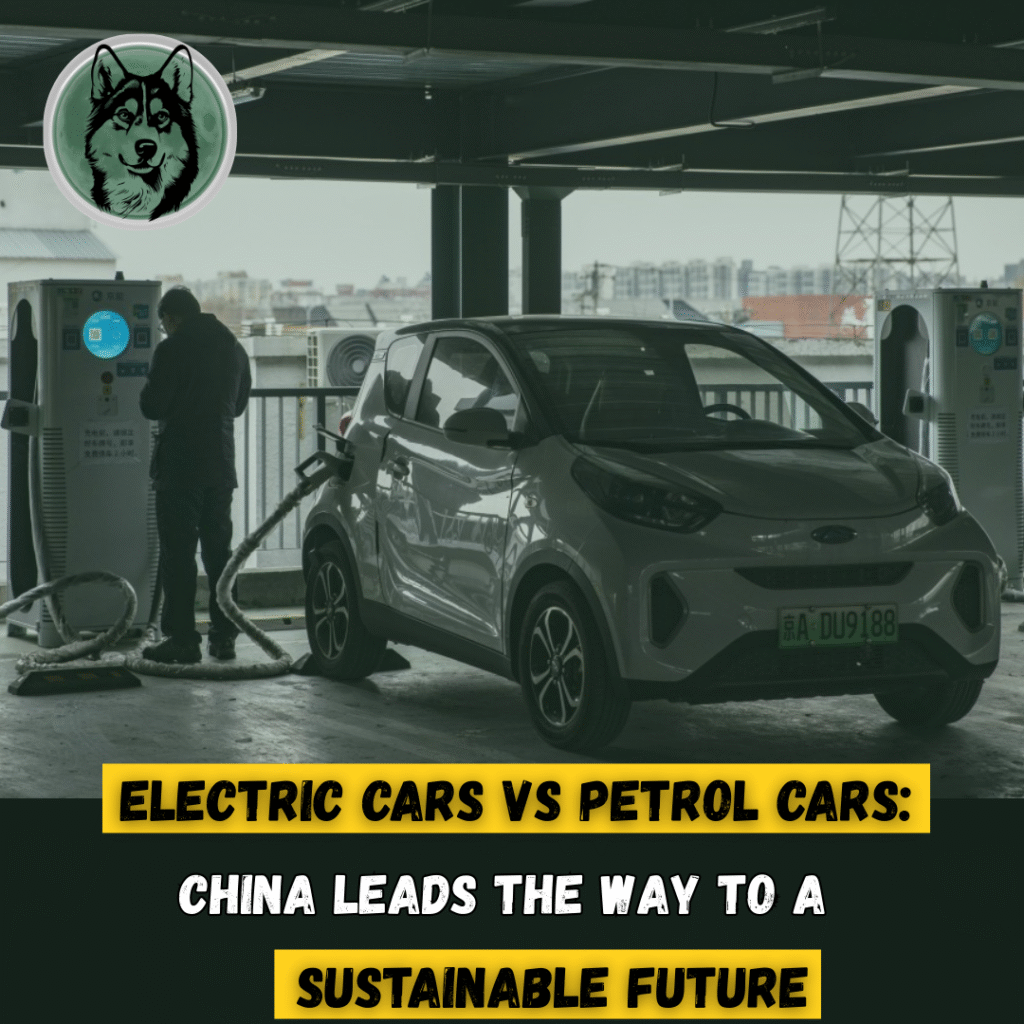
The automotive industry is experiencing a historic shift. Electric vehicles (EVs) are no longer a niche—they are becoming the backbone of sustainable, cost-effective, and technologically advanced transportation. While the world races toward greener mobility, China has emerged as the global leader, shaping the future of electric vehicles and making EVs accessible for the masses.
For Pakistan, this transition represents a critical opportunity to improve financial efficiency, environmental sustainability, and reliability in transportation.
1. China’s Leadership: Making EVs Accessible and Affordable
China has revolutionized the EV market:
Largest EV producer and consumer globally
Strong government policies and incentives for EV adoption
Mass production of affordable EVs for urban and rural use
Leading battery technology (LFP and lithium) ensuring durability and safety
This leadership has lowered costs and boosted reliability, making EVs a practical option for everyday users worldwide, including Pakistan.
2. Financial Benefits: Why EVs Save Money
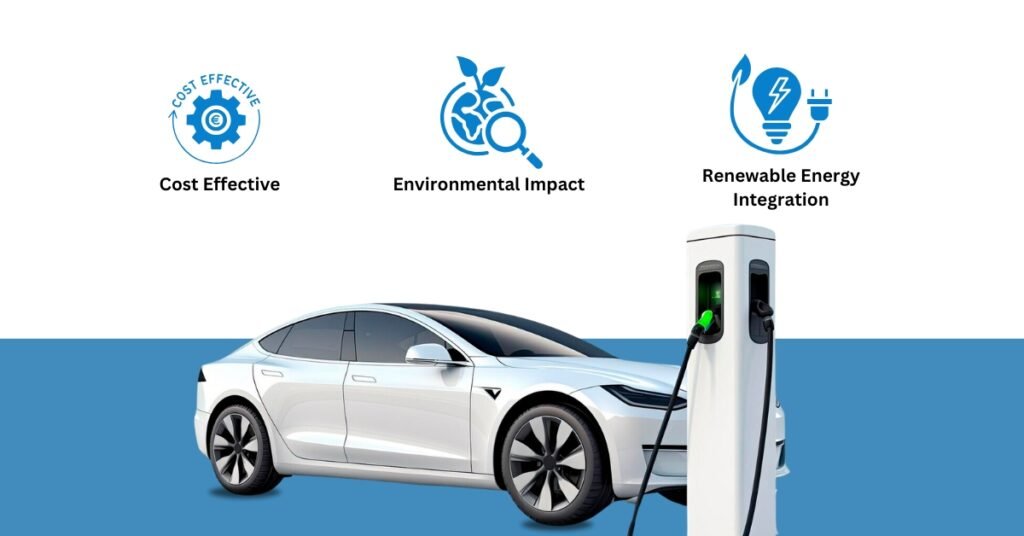
Thanks to China’s mass production and export strategies, EVs are now financially competitive:
Lower running costs: Electricity is far cheaper than petrol.
Reduced maintenance: EVs have fewer mechanical components, resulting in fewer breakdowns.
Affordable Chinese models in Pakistan: Options like MG ZS EV, Honri VE, and DFSK Seres 3 bring cost-effective EV ownership to Pakistani families.
Fact: Pakistan’s EV market recorded its first sales in 2024, and adoption is expected to rise sharply in the coming years, following China’s proven model.
3. Environmental Sustainability: Driving a Cleaner Future
EVs are crucial for environmental sustainability:
Zero tailpipe emissions reduce urban air pollution
Lower CO₂ footprint improves long-term environmental outcomes
Promotion of renewable energy through electric charging infrastructure
China’s cities have already benefited from cleaner air thanks to large-scale EV adoption. Pakistan can replicate this model to combat urban pollution and create healthier cities.
4. Reliability and Technological Advancements
Modern EVs—especially those influenced by Chinese innovation—are built for long-term reliability and convenience:
Durable batteries for longer lifespans
Advanced safety features and smoother driving
Smart connectivity: real-time monitoring, GPS, fast charging
These features make EVs not just environmentally friendly but highly dependable for daily commuting.
5. The Future of Electric Vehicles in Pakistan
With China leading the way, Pakistan is well-positioned to follow suit:
Financially: Lower fuel and maintenance costs
Environmentally: Significant reduction in urban pollution
Reliability: Durable, safe, and technologically advanced vehicles