





Why Hidden Costs Decide the Future of Every Project
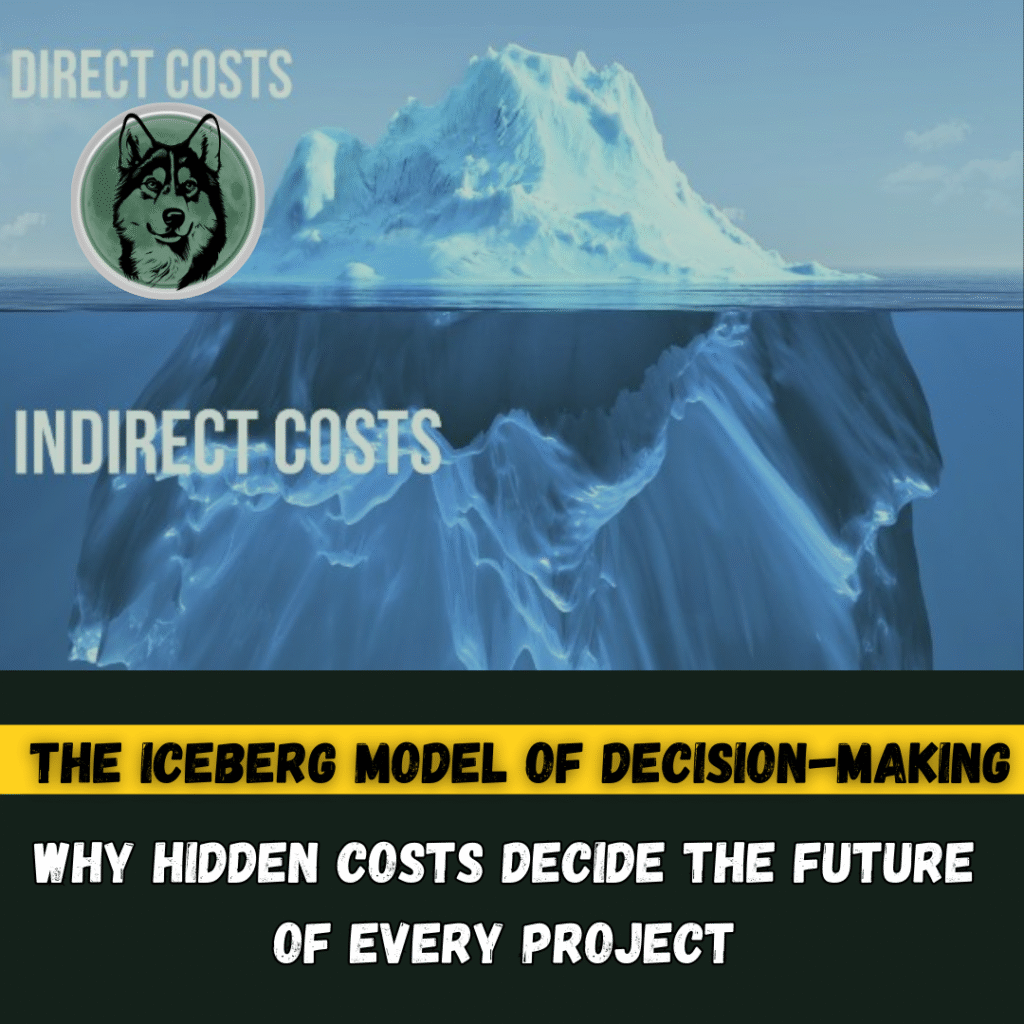
In management, safety, engineering, and national development, one principle remains universal: What you see is never the full picture. Decision-makers often judge a project only by what is visible — the direct cost. But like an iceberg floating in the ocean, the biggest portion always lies hidden beneath the surface. This hidden portion is the indirect cost, and if it is ignored, even a beautiful project becomes a long-term burden.
WHAT is the Iceberg Model?
The Iceberg Model explains that:
10% of the cost is visible → Direct Cost
90% of the cost is hidden → Indirect Cost
Most projects fail not because of the visible cost, but because of the unseen responsibilities, ongoing expenses, and future impacts that were never calculated in time.
Direct vs Indirect Cost
1. Direct Cost (Visible)
These are the costs everyone sees:
Construction
Labor
Equipment
Material
Initial investment
These are easy to calculate and appear in every project report.
2. Indirect Cost (Hidden)
This is the part no one talks about:
Long-term maintenance
Energy consumption
Environmental impact
Operational efficiency
Future upgrades
Public acceptance
Training needs
Replacement cost
Potential failure risk
This is the real weight of the iceberg, the part that determines whether a project will succeed or collapse under pressure.
WHY the Iceberg Model Matters in Every Decision
Because short-term decisions create long-term consequences.
A project that looks cheap in the beginning may become extremely expensive over time. And a project that looks small in the beginning may give massive long-term benefits.
Industries often fall into this trap:
Choosing cheaper machinery
Ignoring maintenance cost
Avoiding safety training
Delaying risk assessment
Not investing in energy efficiency
The result?
Unexpected breakdowns, accidents, higher operating cost, and lost productivity.
Understanding hidden cost is not optional, it is a survival skill.
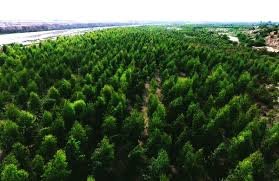
BILLION TREE PROJECT: A Perfect Example of Hidden Long-Term Value
When the Billion Tree Tsunami was launched, many people criticized it because the benefits were not immediately visible. The direct cost was simple:
Seeds
Plantation
Labor
Land preparation
But the real strength of this project lies in its indirect benefits, which grow silently over time:
Better air quality
Soil restoration
Reduced land erosion
Improved water cycle
Reduced flood intensity
Higher biodiversity
Future carbon credits
International environmental recognition
These hidden benefits will save Pakistan billions in environmental and disaster-related costs over decades.
The project looked small on the surface, but under the iceberg, its value is massive.
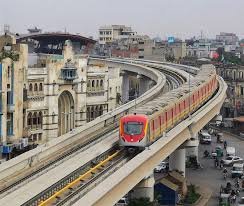
ORANGE LINE TRAIN: A Lesson in Hidden Long-Term Cost
The Orange Line Train is a strong visual project — tall pillars, new stations, modern trains. That’s the visible part.
But underneath, the hidden cost is huge:
Extremely high electricity consumption
Costly spare parts
International technical dependency
High annual subsidies
Maintenance and operational burden
Limited commercial return
This is a perfect example of ignoring the Iceberg Model — focusing only on appearance and direct cost, while underestimating the heavy future cost.
INDUSTRIAL & BUSINESS LESSONS
Every industry must learn the Iceberg principle:
Why some factories fail and others grow?
Because some count only the direct cost of machinery, while others calculate:
Downtime
Safety incidents
Energy bills
Training needs
Operational efficiency
Long-term sustainability
Why does safety training matter?
Because accidents have hidden costs:
Legal cases
Reputation damage
Medical payments
Production delays
Loss of skilled workers
Why is environmental compliance important?
Because fines, shutdowns, and future liabilities are indirect costs.
Understanding the iceberg makes industries smarter, safer, and more profitable.
A decision is never as small as it looks.
Every project, every investment, and every policy has a visible cost and a hidden cost.
The wise leader, the smart engineer, and the responsible manager always look beneath the surface.
Because success does not come from what you see; it comes from what you calculate but others ignore.