





Punjab Quran Board accused of overstepping authority by issuing religious verdict
What Happened?
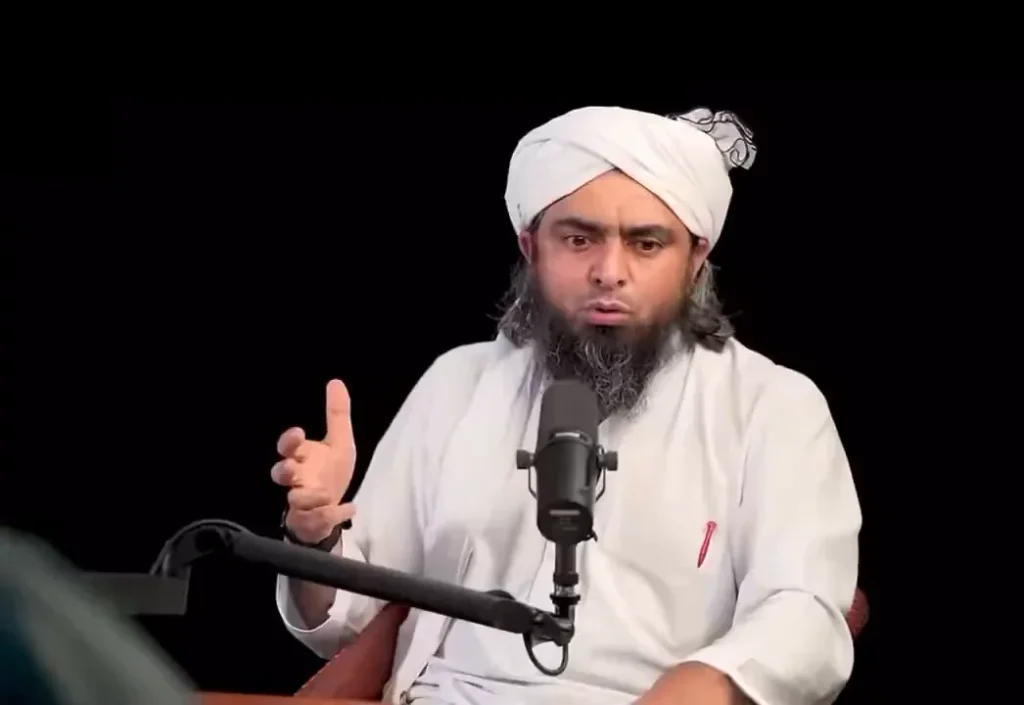
The Lahore High Court has ordered the FIA (Federal Investigation Agency) and the Punjab Quran Board to submit formal replies to a petition filed by Engineer Muhammad Ali Mirza.
Mirza challenged the legality of an FIA investigation that was initiated after an old social media video of him was reviewed by the Quran Board, which allegedly declared him “guilty.”
Where Did It Occur?
The case is being heard at the Lahore High Court, Punjab, Pakistan.
When Did It Happen?
The order was issued on December 8, 2025, during a hearing conducted by Justice Shahram Sarwar.
Who Is Involved?
- Petitioner: Engineer Muhammad Ali Mirza
- Respondents:
- DG FIA
- Punjab Quran Board
- Counsel: Advocate Nabeel Javed Kahlon
- Presiding Judge: Justice Shahram Sarwar
Why Is the Case Significant?
The case raises critical questions about:
- Jurisdiction of the Punjab Quran Board
- Due process violations by FIA
- Misuse of religious verdicts in legal investigations
- Freedom of speech versus religious oversight
- Reliability of old videos as evidence
This controversy highlights the state–religion interface in Pakistan’s legal system and the boundaries of religious institutions within state investigations.
How Did the Controversy Arise?
According to the petition:
- FIA began an inquiry without issuing a notice to Mirza.
- FIA forwarded an old video to the Punjab Quran Board seeking a fatwa-like opinion.
- The Quran Board allegedly declared Mirza “guilty” based on the video.
- Mirza argues the Quran Board has no authority to issue such declarations.
- He claims the Board’s only mandate is editorial oversight of Quran publication.
- Mirza is now seeking to have the “verdict” invalidated and the investigation shut down.
1. Legal Overreach & Due Process Violations
Experts point out that:
- FIA must notify the accused before starting an inquiry, as per legal procedure.
- Initiating an investigation secretly creates procedural defects.
- If the Quran Board’s opinion influenced FIA’s actions, it raises questions about improper collaboration.
2. Quran Board’s Mandate—Exceeded or Misunderstood?
The Punjab Quran Board’s legal functions revolve around:
- Monitoring Quran printing
- Ensuring error-free publication
- Certifying authentic text
However, issuing fatwas or declaring individuals as religiously “guilty” is not part of its jurisdiction.
Thus, the Board’s involvement—even if limited to an “opinion”—could be seen as institutional overreach.
3. Use of Old Social Media Videos — Fair or Flawed?
Relying on an old video raises multiple issues:
- Context may differ
- Interpretation may be subjective
- Content may be edited
- It does not represent current actions
Such evidence is usually considered weak, unless validated through independent analysis.
4. Impact on Religious Scholars and Public Discourse
This case may influence the wider debate on:
- Freedom of religious commentary
- Limits of scholarly criticism
- How state institutions respond to controversial opinions
It may set a precedent on how social media–based allegations are handled in the future.
5. Political & Social Sensitivity
Engineer Muhammad Ali Mirza is often a controversial yet popular figure.
Any state action against him draws:
- Public reaction
- Social media debate
- Questions about fairness

Thus, the case carries broader public implications beyond the courtroom.
The Lahore High Court’s intervention signals the need for:
- Transparent procedures
- Proper legal boundaries
- Avoiding misuse of religious declarations
- Ensuring due process
The case now depends on the responses submitted by FIA and the Punjab Quran Board, which will determine how the court proceeds.