




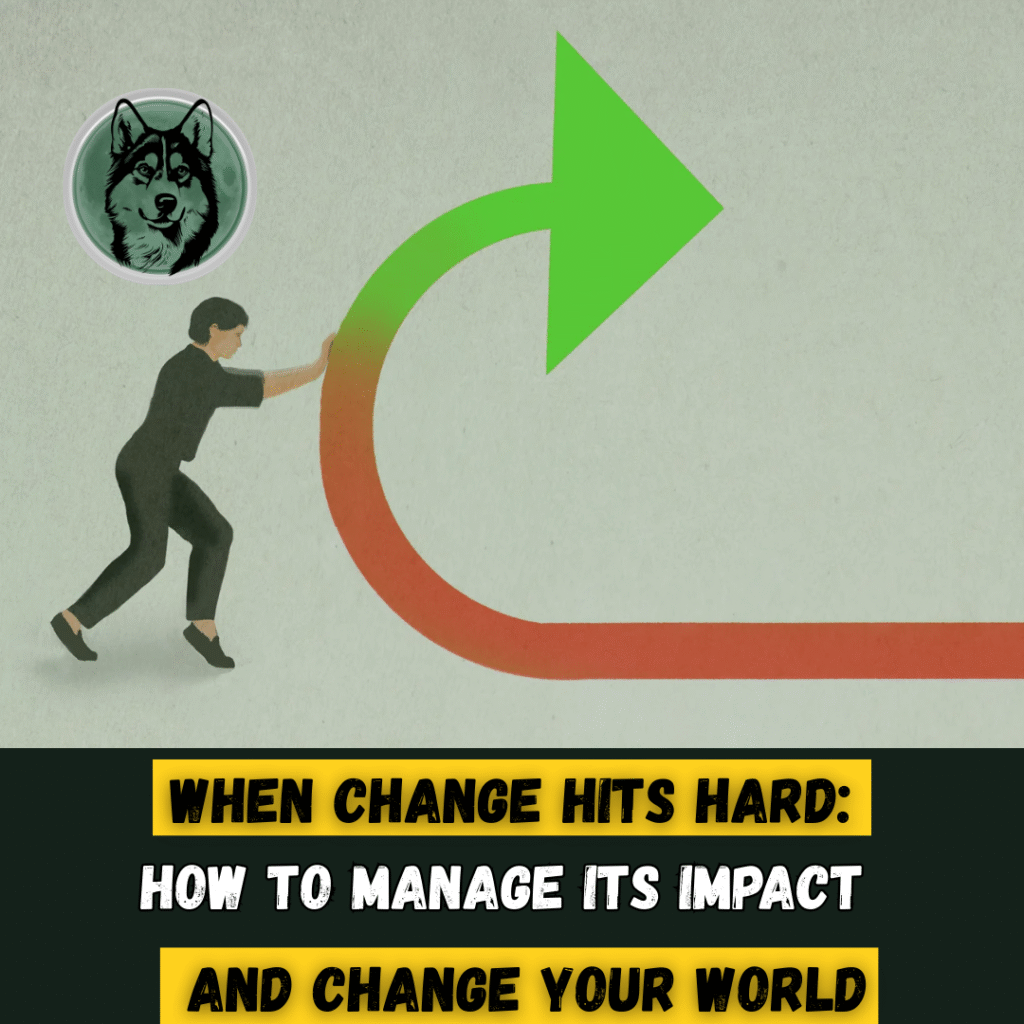
Change hits without warning — here’s how to rise instead of break.
Change does not wait for permission. It arrives suddenly, tests systems, exposes weaknesses, and separates excuses from responsibility. When change hits hard, the instinct is to blame the situation, the economy, management, or “the times.” But blame gives comfort and comfort kills progress.
The truth is simple: nothing changes until we stand up and give 100%.
Industries grow, people improve, and systems become safer only when ownership replaces excuses. The following seven steps are not theory; they are action. Adopt them fully, not halfway and you don’t just manage change, you lead it.

1. Risk Assessment: Face reality without excuses
You cannot defeat what you refuse to see. Risk assessment is not paperwork and not a legal burden, it is honesty. It forces us to face hazards as they are, not as we wish them to be.
Do not blame the environment. Do not blame the job. Identify the risk and remove it. Standing up begins with seeing danger clearly and acting before damage is done.
Give 100% here, because a missed risk today becomes an accident tomorrow.
2. Communication & Cooperation: Stop guessing, start aligning
Silence creates fear. Rumors weaken teams. Clear communication builds strength. When people understand what is changing and why, resistance turns into responsibility.
Life and industry do not respond to complaints; they respond to commitment.
Talk clearly. Listen honestly. Cooperate fully.
Strong systems are built by people who show up, speak up, and work together without ego.
3. Appointment of Competent People: Leadership is not a title
Do not wait for perfect conditions or famous experts. Appoint people who are ready to learn, trained to act, and brave enough to take responsibility.
Do not blame lack of resources; build competence.
Do not wait for approval; develop ability.
When competent people lead, chaos loses its power.
4. Segregation: Separate danger before it separates lives
Hope is not a control measure. Wishes do not stop accidents. Segregation works because it removes exposure before harm occurs.
Stand up here with discipline.
Barriers, permits, zoning, isolation, these are decisions that say: “Human life comes first.”
Strong people do not rely on luck. They design safety.
5. Emergency Procedures: Prepare like failure is possible
Emergencies don’t ask if you are ready. They reveal whether you were serious.
Fire drills, first aid readiness, evacuation plans, these are not formalities. They are proof of commitment. When pressure hits, preparation speaks.
Give effort when outcomes are uncertain.
Train when nothing is wrong, so everything works when it is.
6. Welfare Provision: Respect builds resilience
Safety is not only about helmets and signs. It is about dignity. Welfare facilities, rest, hydration, and mental well-being are not extras — they are essentials.
A workforce that feels valued stands stronger during change.
Care is not weakness. Neglect is.
If you want people to give 100%, first give them respect.
7. Review: If you don’t check it, you don’t care
“Set and forget” is the language of failure. Review is where growth begins.
Mistakes are not enemies, repeating them is.
Strong people and strong organizations review honestly, correct immediately, and improve continuously.

Your world changes the moment you change how seriously you review your actions.