




Quaid-e-Azam Muhammad Ali Jinnah
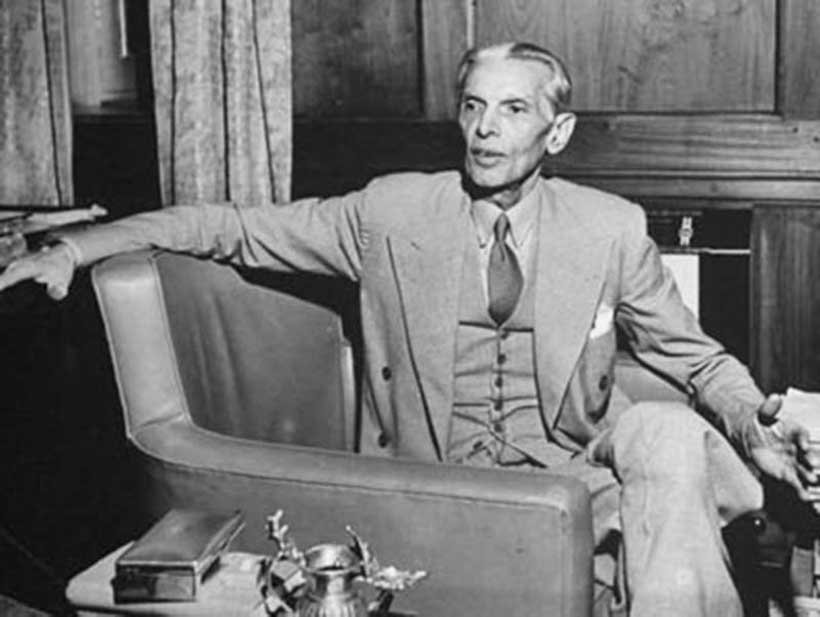
A man gifted with exceptional clarity of mind.
His negotiation skills were acknowledged even by British Viceroys.
He defeated Congress diplomatically without violence, without chaos.
His discipline was legendary; people called him “the steel man.”
Imran Khan
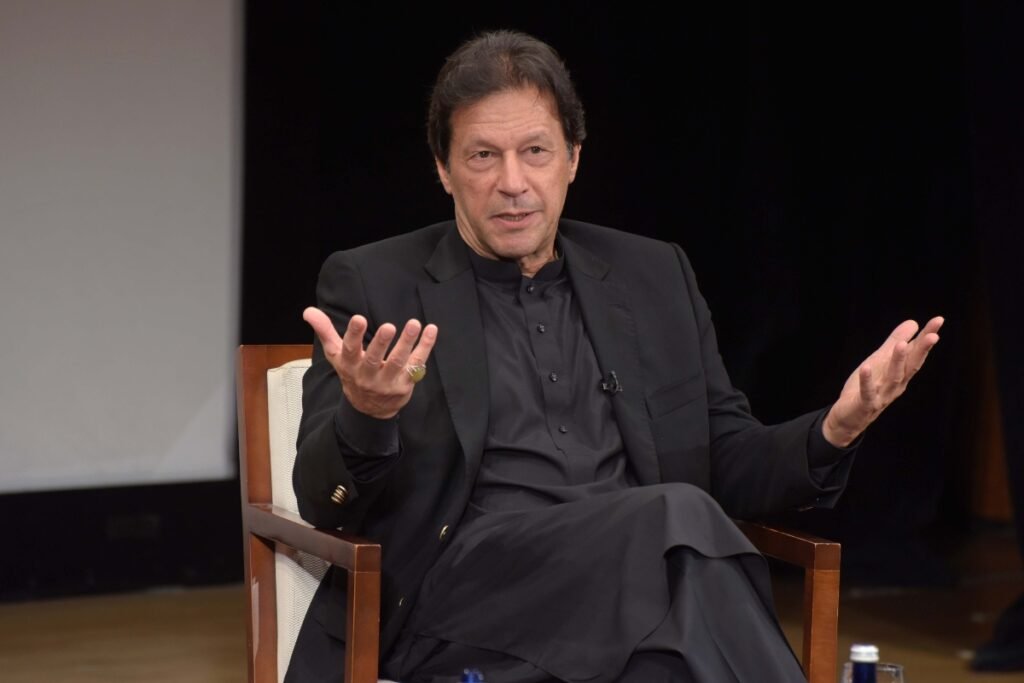
Born with an unbreakable self-belief and moral bravery.
Led Pakistan to its first Cricket World Cup (1992).
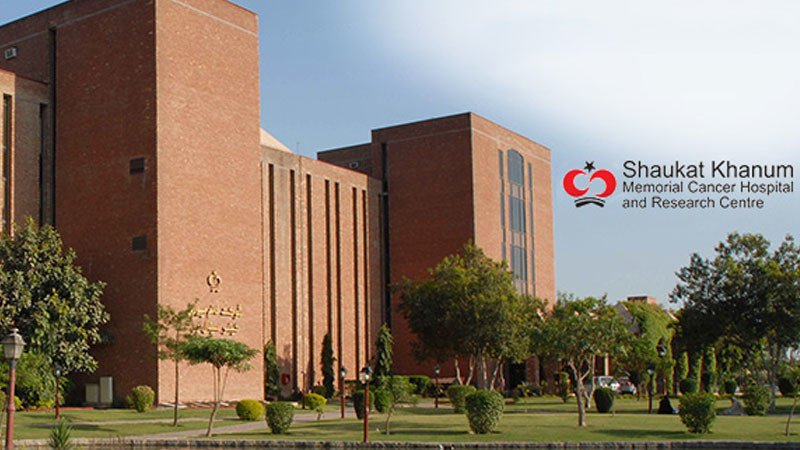
Built Shaukat Khanum Cancer Hospital, something experts said was impossible in a developing country.
Created Namal University and launched Pakistan’s largest volunteer movement.
Why the comparison exists:
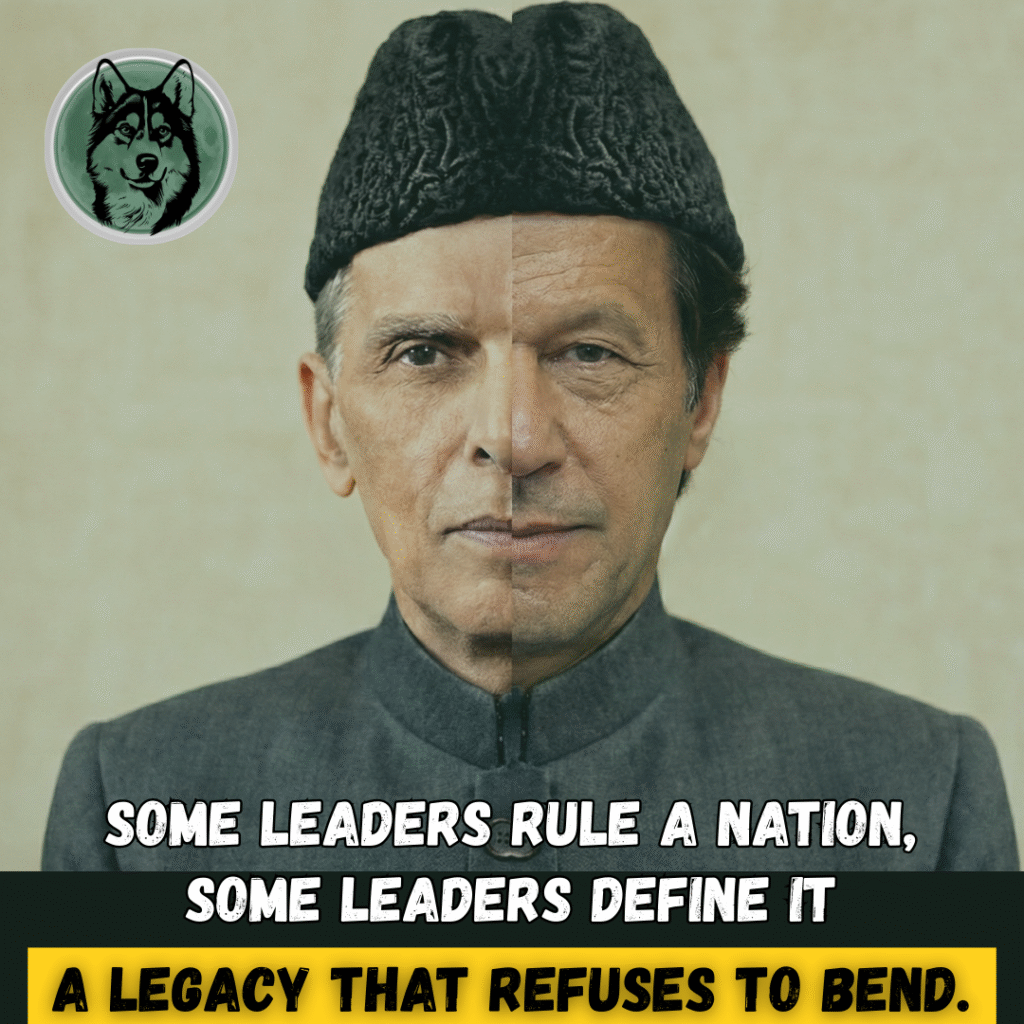
Both leaders carried a God-gifted internal engine, courage, consistency, and conviction that no institution, no pressure, no propaganda could break.
2. Vision — One Built a Nation, One Fights to Rebuild It
Quaid-e-Azam’s Vision
Fought 40 years for political rights using law and constitutional logic.
Declared his vision clearly in speeches: equality, religious freedom, justice, and dignity.
Built Pakistan not through ‘crowd politics’ but strategic leadership.
Imran Khan’s Vision
Fought 22 years to challenge a deeply corrupt two-party system.
Introduced Sehat Card, shelter homes, anti-corruption drives, and austerity reforms.
Raised Pakistan’s global image with dignity, respected by world leaders for honesty and bold stance.
Why people compare:
Because both leaders fight for a fairer Pakistan, though their eras and methods differ.
3. Relationship with Power — Standing Alone Against Giants
Quaid-e-Azam
Faced the British Raj, Congress, and a hostile bureaucracy.
Rejected all pressure tactics; stayed loyal only to his people.
Even while terminally ill, he continued leading negotiations.
Imran Khan
Faced political dynasties, powerful institutions, and media propaganda.
Survived an assassination attempt.
Endured imprisonment, cases, and betrayals but did not compromise.
Ground Reality:
Only a leader with extraordinary internal strength stands alone.
That is why the public sees a reflection of Quaid-e-Azam in Imran Khan.
4. Their Sisters — Silent Pillars Behind Great Leaders
Fatima Jinnah
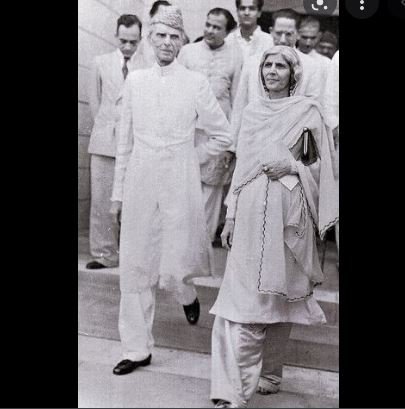
Called “Mother of the Nation”.
Stood shoulder to shoulder with her brother in the Pakistan Movement.
Managed his political life, protected his privacy, and stood against dictators.
Her courage and honesty kept Jinnah’s mission alive even after his death.
Aleema Khan
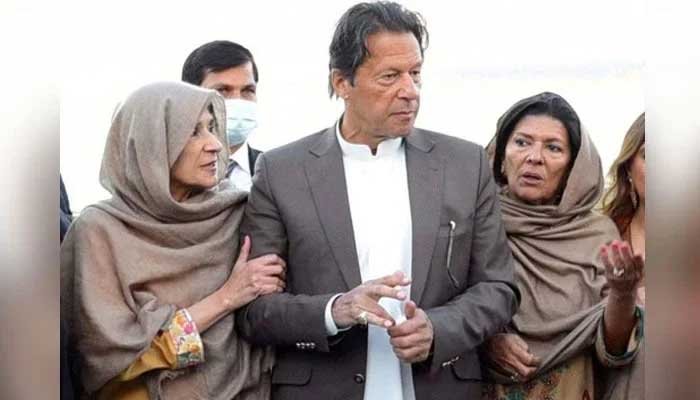
Known for quiet philanthropic work.
Actively supports healthcare, education, and welfare initiatives.
A moral anchor for Imran Khan always seen guiding his charitable missions.
Her low-profile integrity reflects the same protective, supportive role Fatima Jinnah played.
Common Point:
Behind both leaders stood a strong, principled sister women who guarded their brothers’ credibility, privacy, and moral courage.
5. Psychological Strength — Unshakeable, Unbreakable
Quaid-e-Azam
Never showed frustration despite massive political pressure.
Even with deteriorating health, he remained composed and strategic.
Imran Khan
Never broke down even after:
• Attacks
• Jail
• Loss of power
• Global pressure
• Propaganda
He remained calm, spiritually focused, and mentally sharp.
These leaders were created for struggle not for frustration.
6. Can Imran Khan Become Prime Minister Again?
Using public support indicators, electoral ground data, and national sentiment, the signs are clear:
• Imran Khan still commands the largest popular support base in Pakistan.
• Massive voter turnout in his favour indicates enduring influence.
• No other leader has his international credibility or national-level appeal.
• His narrative of justice and dignity has deepened after political targeting.
• Political engineering tried to reduce his space public support only grew stronger.
Facts-based assessment:
A leader with this magnitude of public mandate always returns to power, whether sooner or later.
History proves that political systems eventually bend to public will.
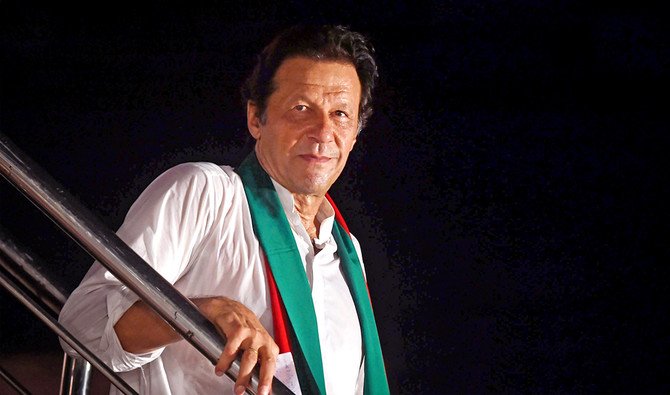
Imran Khan’s political story is not over
👉 it is paused, not ended.
👉 delayed, not defeated.
Two Eras, One Spirit, One Pakistan
Quaid-e-Azam gave Pakistan its identity.
Imran Khan gave Pakistan its voice.
Both leaders:
• Believed in justice
• Stood against powerful systems
• Inspired the youth
• Refused to compromise
• Carried a God-gifted inner strength
This is why people place their names together.
Pakistan may not produce such leaders often…
But when it does, they leave a mark no propaganda can erase.
Quaid-e-Azam remains our father.
Imran Khan remains our courage.
And yes, the story of Imran Khan is still being written.