



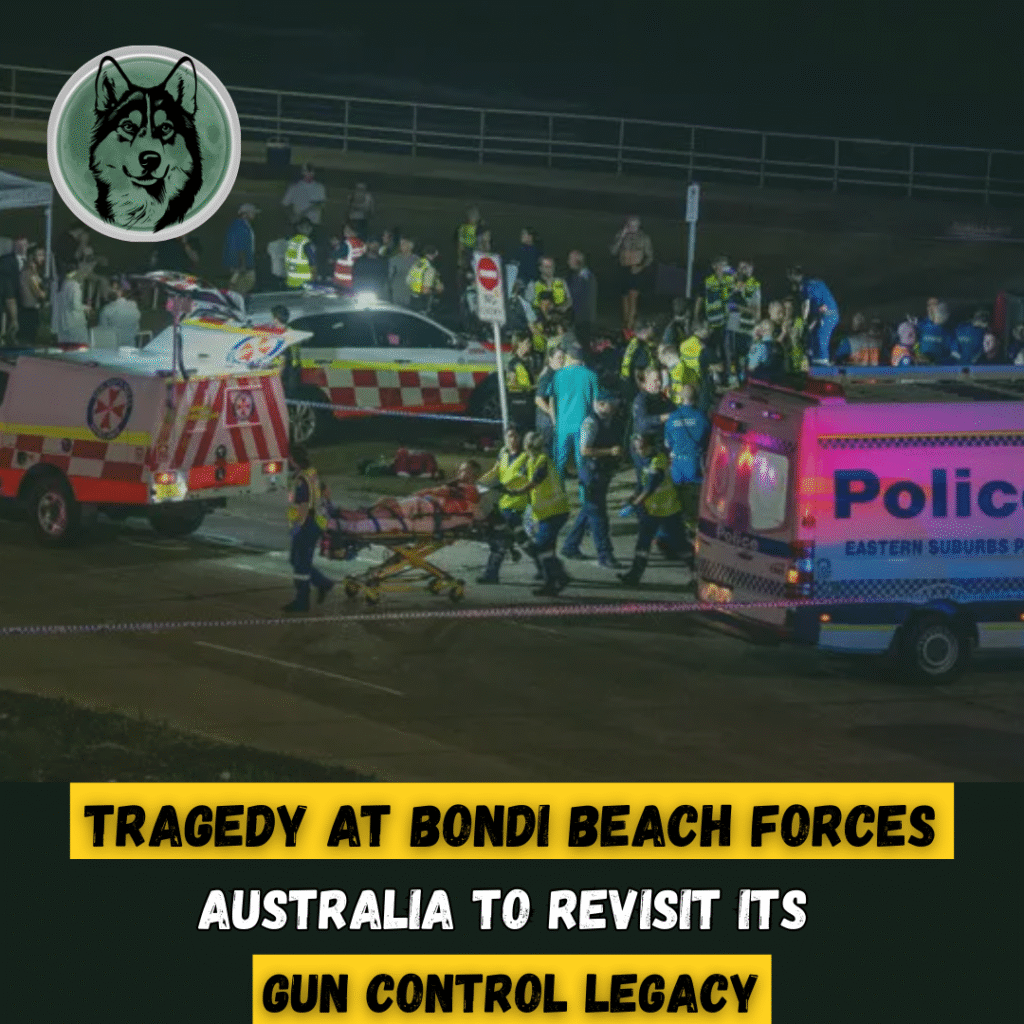
Prime Minister vows reform as mourners gather at beachside memorials
Australia is facing renewed scrutiny of its firearms laws after a deadly shooting at Sydney’s Bondi Beach claimed the lives of 15 people, including a 10-year-old girl, during a Hanukkah gathering, an attack the Prime Minister has described as “an act of pure evil.”
The tragedy has not only left a nation in mourning but has also reopened an urgent debate over gun access, licence reviews, and the growing threat of extremist violence in public spaces.

What Happened
The attack unfolded on Sunday afternoon at Bondi Beach, one of Australia’s most iconic and crowded public locations. Two gunmen opened fire on people attending a Hanukkah event, triggering chaos and panic along the shoreline.
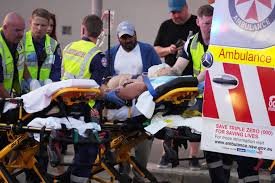
According to authorities, more than 40 people were injured, many seriously, as shots rang out for what witnesses described as “an eternity.” Several lives were saved due to the rapid response of bystanders and off-duty police officers who rushed to the scene.
Where It Happened
Bondi Beach, internationally recognised as a symbol of Australian culture, leisure, and openness, was transformed into a crime scene within minutes.
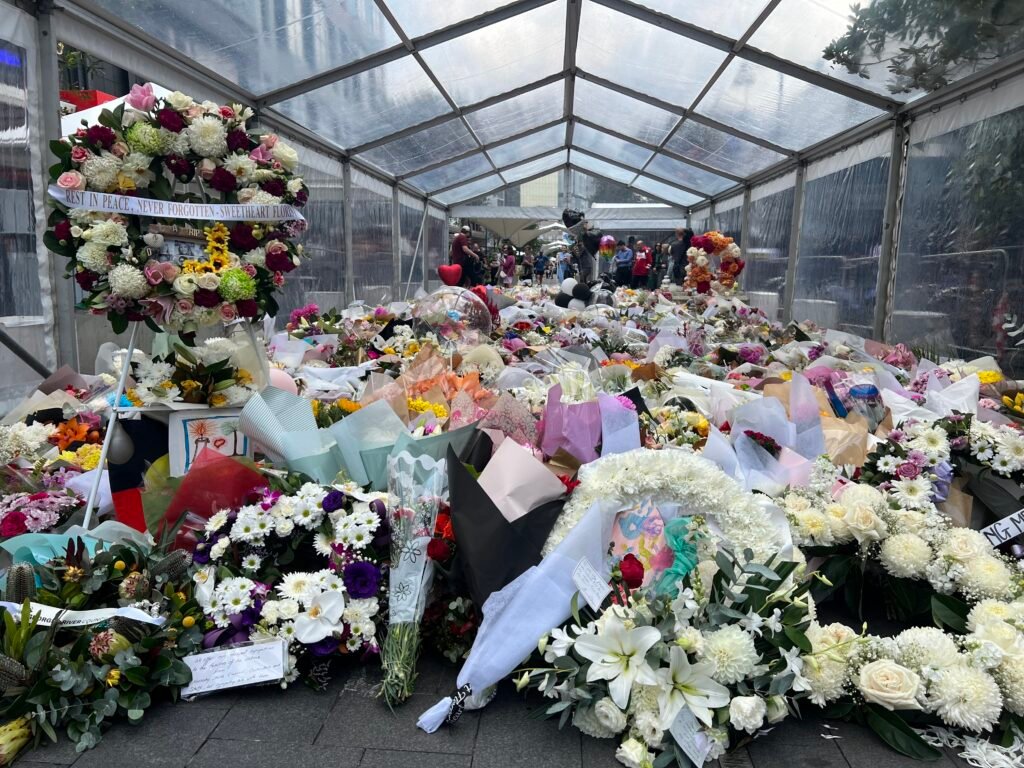
In the aftermath, the beach has become a site of mourning. Floral tributes now line the area near the Bondi Pavilion, as families, faith leaders, and ordinary citizens gather in silence to honour the victims.
Who Were the Shooters
Police have confirmed the attackers were a father and son, aged 50 and 24.
- The father was shot dead by police at the scene.
- The son, an Australian-born citizen, remains in critical condition in hospital.
Crucially, authorities revealed that the older gunman legally owned firearms, holding a Category A and B licence issued for recreational hunting and gun club membership. He had reportedly held this licence since 2015.
The younger attacker had come to the attention of authorities in 2019, but was assessed at the time as posing no ongoing threat.
Why This Attack Has Changed the National Conversation
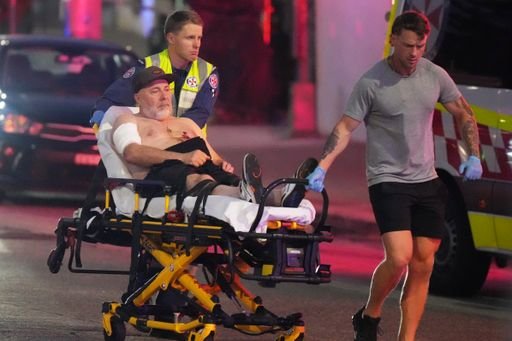
Prime Minister Anthony Albanese has characterised the shooting as an act of terror and antisemitism, stressing that religious communities must be able to celebrate their faith without fear.
The attack has reignited concerns that radicalisation can occur over time, even among individuals who initially meet legal standards for firearm ownership. It has also raised questions about whether Australia’s existing safeguards — often praised globally are keeping pace with evolving threats.
How the Government Is Responding
Albanese has confirmed that tougher gun laws will be placed before the national cabinet, including proposals to:
- Review firearms licences regularly rather than granting them indefinitely
- Limit the number of weapons individuals can legally own
- Strengthen monitoring as personal circumstances change
New South Wales Premier Chris Minns echoed the urgency, questioning the civilian need for high-powered firearms and signalling forthcoming legislative reform.
Critical Analysis: Law, Access, and Accountability
Australia’s strict gun laws, introduced after the 1996 Port Arthur massacre, have long been held up as a global success story. However, the Bondi Beach attack highlights a critical vulnerability: legal access does not always equate to lasting suitability.
The case raises uncomfortable but necessary questions:
- Are background checks enough if they are not revisited?
- Should recreational licences carry tighter limits?
- Can law enforcement realistically detect radicalisation before violence occurs?
As lawmakers move toward reform, the challenge will be balancing legitimate use with public safety in an increasingly volatile global environment.
What Comes Next
While investigations continue and funerals are planned, including international travel assistance for grieving families, the political and social consequences of this attack are only beginning.
Australia now stands at a crossroads once again, forced to decide whether incremental changes are enough, or whether this tragedy demands a deeper rethinking of gun access and extremism prevention.