



APS attack remains one of the deadliest assaults on students globally
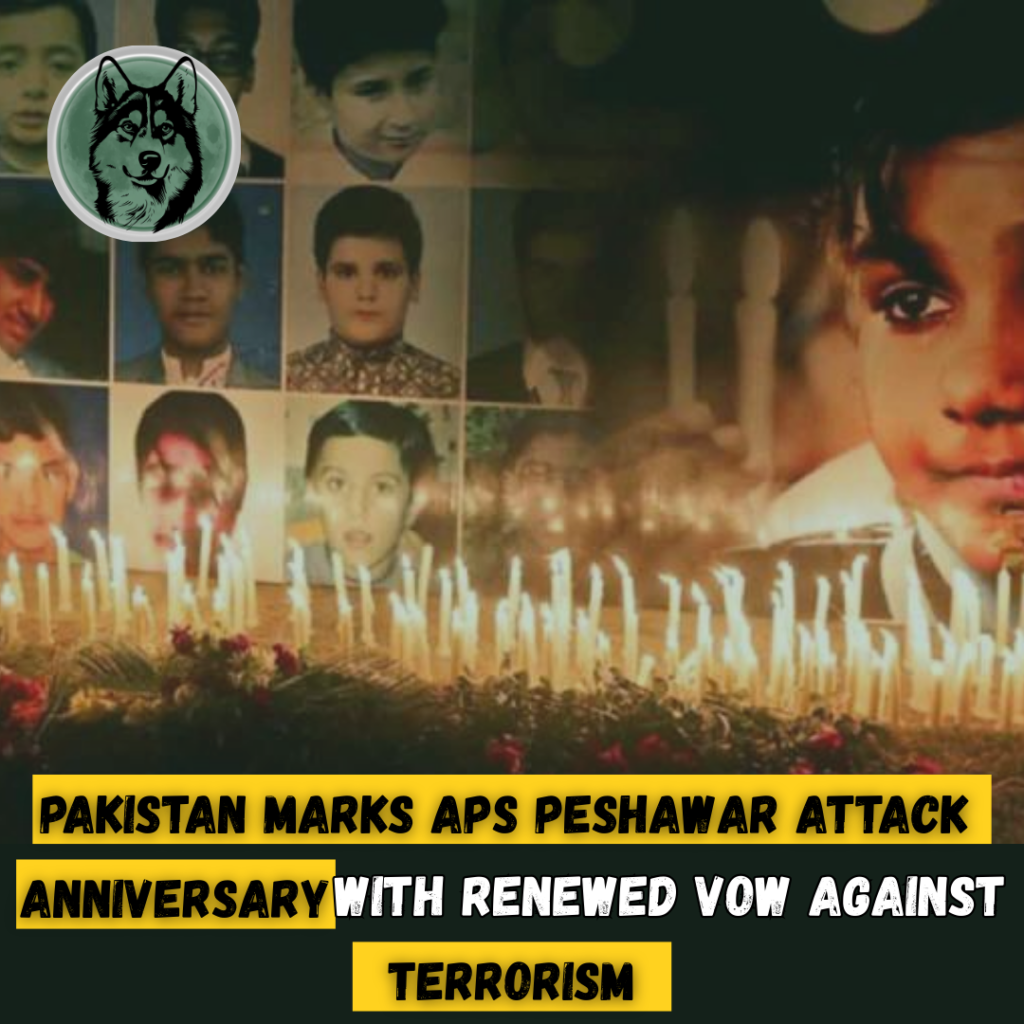
Pakistan on Tuesday marked the 11th anniversary of the Army Public School (APS) terror attack in Peshawar, with national leaders renewing the country’s resolve to eradicate terrorism and honor the memory of more than 150 victims, most of them children, in one of the deadliest school massacres in modern history.
The anniversary was observed amid heightened security concerns and renewed calls for vigilance as Pakistan continues to confront evolving militant threats.
What Happened on December 16, 2014
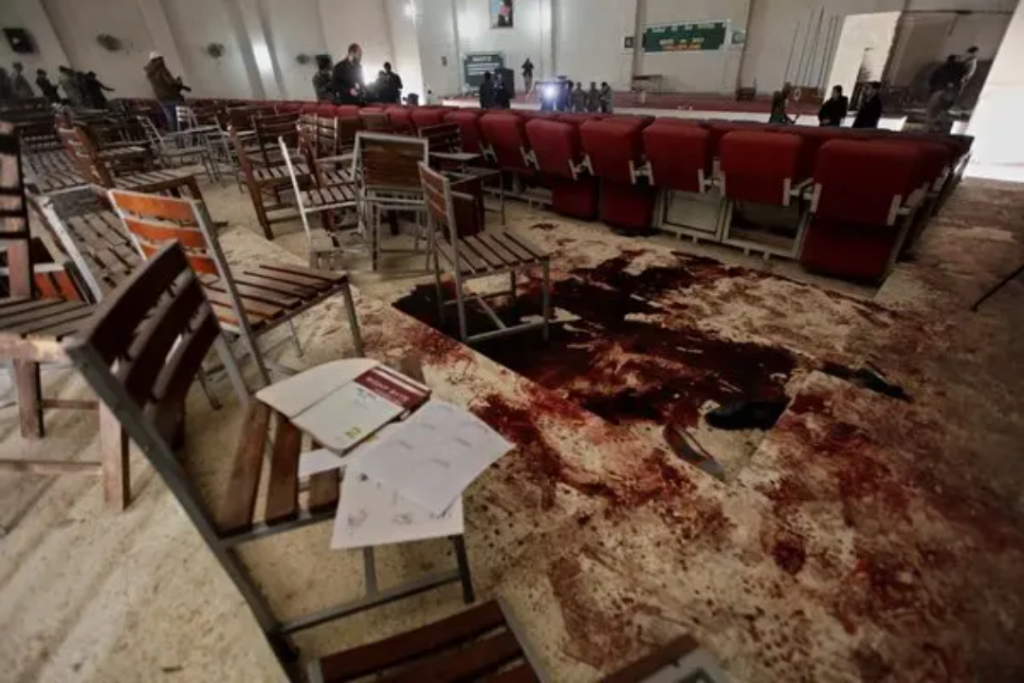
On December 16, 2014, gunmen affiliated with the Tehreek-e-Taliban Pakistan (TTP) stormed the APS campus in Peshawar, launching an hours-long siege that left over 130 schoolchildren and teachers dead.
The deliberate targeting of students shocked the nation and drew widespread international condemnation, marking a turning point in Pakistan’s internal security landscape.
Where the Attack Took Place
The massacre occurred at Army Public School in Peshawar, the capital of Khyber Pakhtunkhwa province, a region that has long been on the frontline of Pakistan’s fight against militancy due to its proximity to former conflict zones.
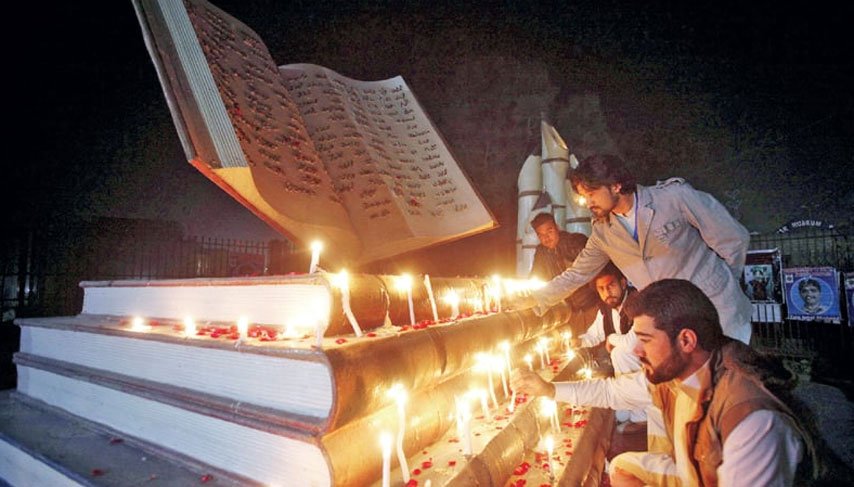
Official Message and Renewed Resolve
In a message issued on the anniversary, President Asif Ali Zardari paid tribute to the victims, describing their sacrifice as a painful reminder of the cost Pakistan has borne in confronting terrorism.
He emphasized that there would be no soft corner for terrorists or those who support, finance, shelter, or justify them, and ruled out any negotiations with armed groups targeting civilians or challenging the writ of the state.
“The memory of the APS martyrs strengthens our resolve,” the president said, reaffirming Pakistan’s determination to ensure that such violence is never repeated.
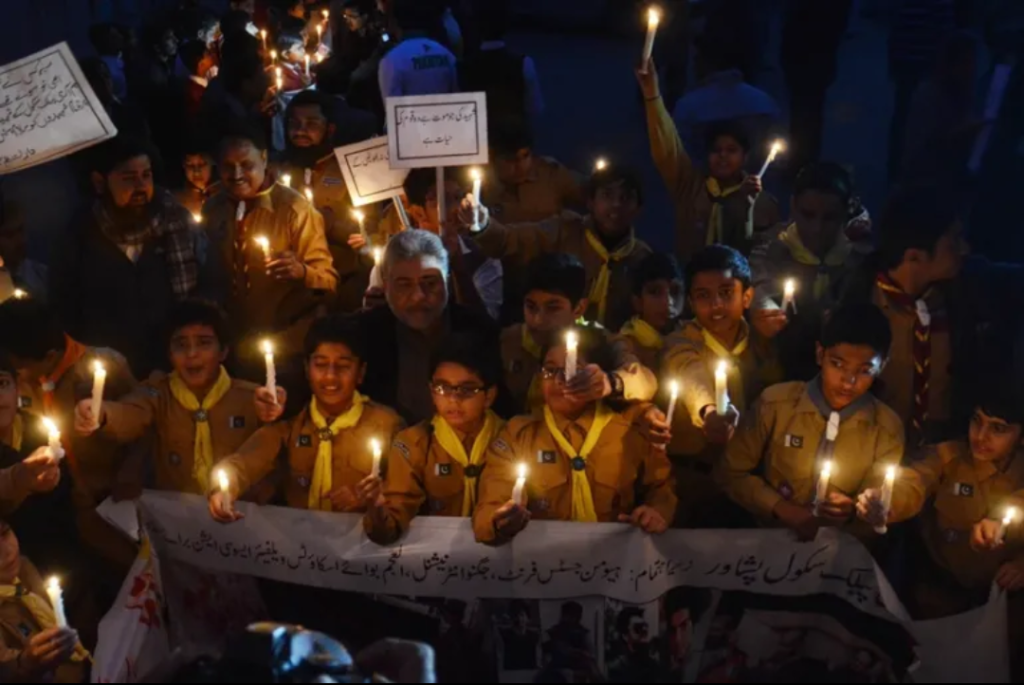
Why the APS Attack Still Shapes Policy
The APS massacre triggered a nationwide counterterrorism crackdown, including:
- Launch of major military operations
- Implementation of the National Action Plan
- Expanded intelligence coordination
- Crackdowns on extremist financing and hate speech
These measures significantly reduced militant violence in subsequent years and reshaped Pakistan’s domestic security framework.
Resurgence of Militancy Raises New Concerns
Despite earlier gains, Pakistan has witnessed a renewed surge in militant attacks since 2022, particularly in Khyber Pakhtunkhwa and Balochistan.
Security analysts say the anniversary underscores the need for sustained counterterrorism efforts, warning that complacency could undo hard-won progress achieved after 2014.
Regional Context and Security Forces’ Role
President Zardari also reiterated allegations of Indian-sponsored militancy, stating that Pakistan would continue to expose hostile activities and safeguard its population. India has consistently denied these allegations.
The president praised Pakistan’s armed forces, intelligence agencies, and law enforcement personnel, crediting them with preventing numerous attacks and maintaining national security under difficult circumstances.
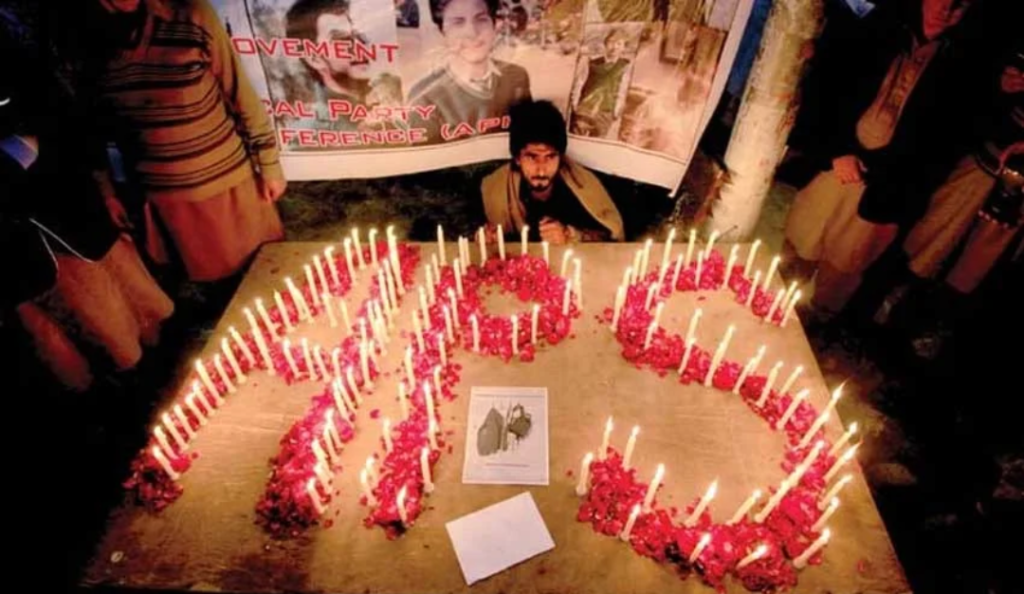
How the Nation Remembers
Across the country, remembrance ceremonies were held to honor the APS martyrs. Families of victims, students, educators, and officials participated in commemorative events, reaffirming collective resolve against extremism.
For many Pakistanis, December 16 remains a day of national mourning and reflection, symbolizing both profound loss and unwavering resilience.
Critical Analysis: Legacy of APS
The APS attack continues to influence debates on:
- School and campus security
- Counter-radicalization policies
- Civil-military cooperation
- The long-term fight against extremism
Experts note that the tragedy remains a moral benchmark against which Pakistan measures its counterterrorism commitments.