


Russian military strengthened by years of war in Ukraine, UK says
What has been warned
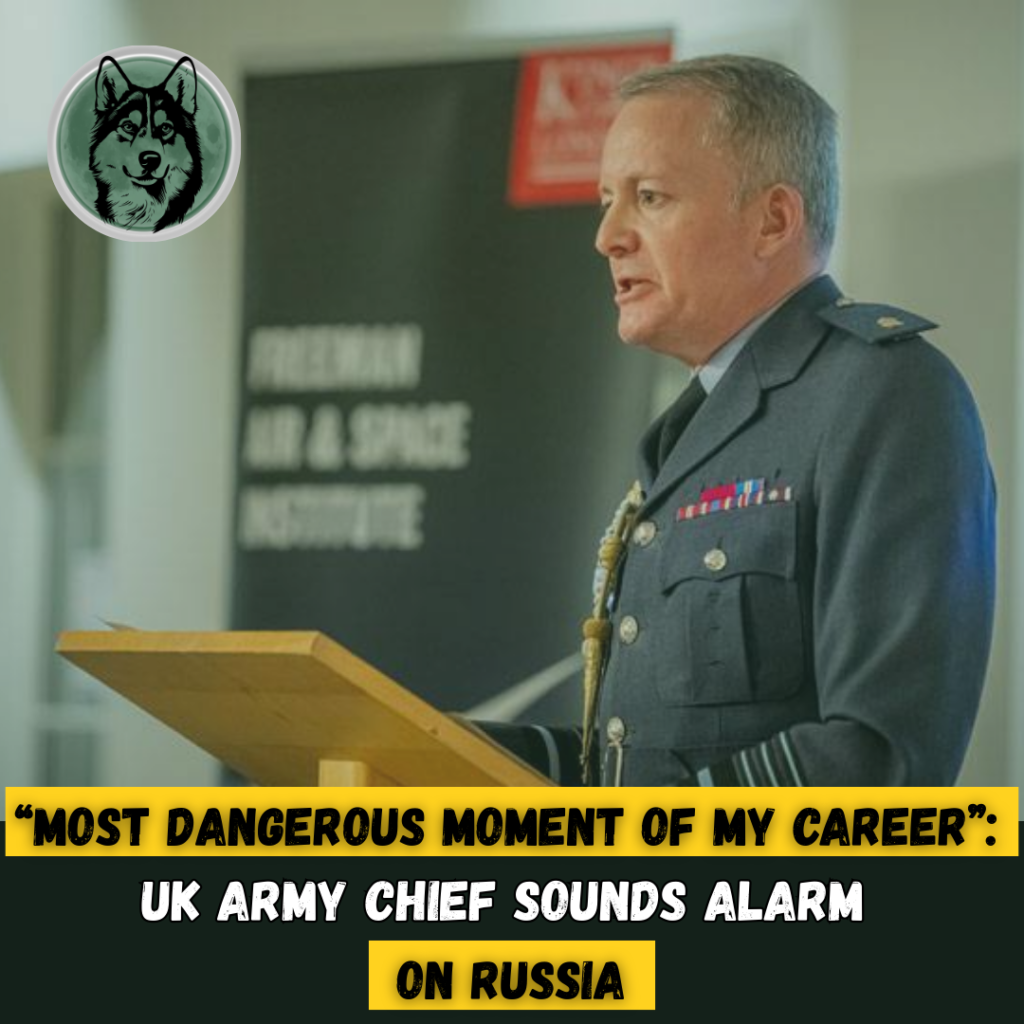
Britain’s top military commander has issued a stark warning that the risk of war involving the United Kingdom is rising, identifying Russia as an increasing and direct threat to national and regional security.
British Chief of Defence Staff Sir Richard Knighton said the current security environment is the most dangerous he has experienced in his career, reflecting deep concern within the UK’s military leadership over global instability.
Why Russia is seen as a growing threat
According to Sir Richard, Russia’s military has emerged stronger after years of continuous war in Ukraine, gaining combat experience, tactical adaptation, and battlefield resilience.
He noted that prolonged fighting has enhanced Moscow’s military capabilities rather than weakening them, creating new challenges for NATO countries, including Britain.
This assessment directly contradicts earlier assumptions that the Ukraine war would significantly degrade Russia’s long-term military power.
Alignment with European military warnings
Sir Richard said he fully agrees with recent remarks by French Army Chief General Fabien Menden, who has also warned of the possibility of war with Russia.
The convergence of views from British and French defence chiefs signals heightened concern across Europe, particularly among NATO allies, over deteriorating security conditions and the risk of direct confrontation.
These warnings follow similar statements from intelligence and defence leaders across Europe pointing to a more volatile strategic environment.
“Most dangerous moment” in decades
Describing the current situation as “much more dangerous than I have known during my career,” Sir Richard highlighted the convergence of geopolitical tensions, military escalation, and weakened global deterrence mechanisms.
He warned that the risk of miscalculation or escalation is growing, making preparedness and vigilance essential.
How Britain is being urged to respond
Sir Richard stressed that national awareness and preparedness are critical in the face of rising threats. He said the sons and daughters of Britain should be prepared for the possibility of conflict, underscoring the seriousness of the warning.
His remarks point to a broader shift toward:
- Greater emphasis on defence readiness
- Strengthening deterrence capabilities
- Preparing society for prolonged security challenges
Critical Analysis: A Shift in Tone and Its Implications
The unusually direct language used by Britain’s highest military official, Chief of Defence Staff Sir Richard Knighton, represents a significant departure from traditional, measured military communications. By openly identifying Russia as a growing threat and urging public and institutional preparedness, Knighton signals a heightened sense of urgency in response to evolving geopolitical dynamics. This blunt articulation reflects the cumulative effect of the ongoing Ukraine conflict, which has strengthened Russian military capabilities and demonstrated the potential for rapid escalation in Europe.
Moreover, Knighton’s statements serve multiple strategic purposes. Domestically, they aim to prepare the UK populace and policymakers for the realistic possibility of conflict, thereby justifying increased defense spending, exercises, and readiness measures. At the international level, the remarks reinforce the message to NATO allies and adversaries alike that the UK is fully aware of the threat landscape and is committed to a coordinated response. The alignment with French military warnings further emphasizes the growing consensus among European defense leaders about the seriousness of the Russian challenge.
This shift from cautious diplomacy to candid acknowledgment of danger underscores the broader transformation in Western security perceptions. It illustrates a recognition that traditional deterrence and reactive strategies may be insufficient in the face of a more experienced and battle-hardened adversary. Knighton’s rhetoric thus not only communicates a warning but also implicitly calls for proactive strategic planning, technological modernization, and reinforced international alliances. Ultimately, the public acknowledgment of risk represents both a transparent assessment of military realities and a deliberate effort to galvanize national and allied preparedness in an increasingly volatile security environment.