



Attack allegedly inspired by ISIS sparks national debate on extremism and gun laws
Bondi Beach attack shakes Australia
Australia is reeling after a mass shooting at a Jewish Hanukkah celebration on Sydney’s iconic Bondi Beach, an attack that left 15 people dead and dozens wounded, marking the country’s deadliest mass shooting in three decades.
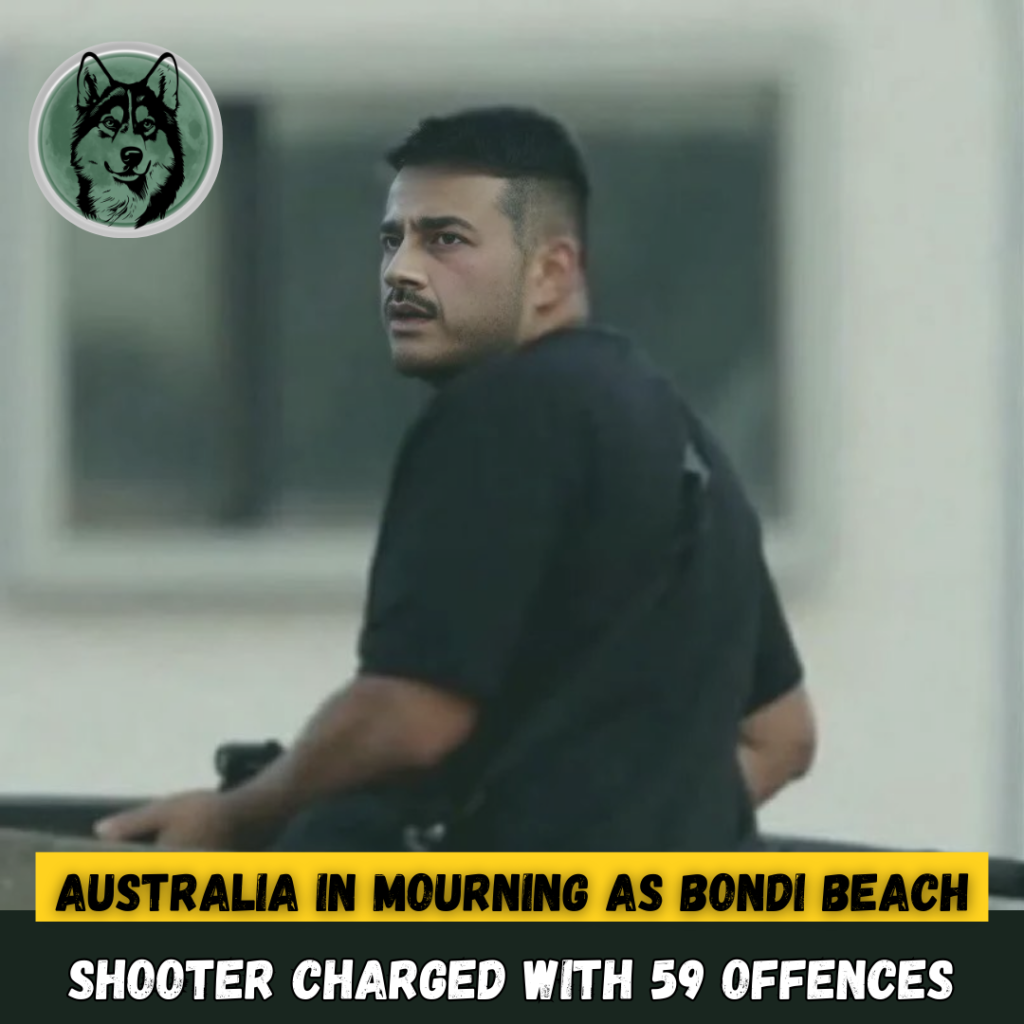
New South Wales Police have charged Naveed Akram, 24, with 59 offences, including 15 counts of murder, 40 counts of wounding with intent to murder, and a terrorism offence. He remains hospitalised under heavy police guard and is due to appear in court via video link on Monday.
What happened: key facts
According to police:
- The attack occurred during a Hanukkah gathering on Sunday
- Father and son, Sajid Akram (50) and Naveed Akram (24), allegedly opened fire
- 15 people were killed, including a 10-year-old girl, a Holocaust survivor, and a husband and wife
- 23 victims remain hospitalised, several in serious condition
- Sajid Akram was shot dead by police at the scene
Authorities say early indications point to a terrorist attack inspired by ISIS, a banned terrorist organisation in Australia.
Terrorism charges and intelligence scrutiny
Police allege the accused acted “to advance a religious cause and cause fear in the community”, a legal threshold that places the attack firmly within terrorism legislation.
The case has intensified scrutiny of intelligence failures after it emerged that Naveed Akram was briefly investigated in 2019 for alleged extremist links but was not deemed a threat at the time. The revelation has triggered public anger over how high-powered firearms were legally acquired.
Political response and gun law reforms
New South Wales Premier Chris Minns announced the state parliament will be recalled on December 22 to pass urgent reforms, including:
• Capping the number of firearms per individual
• Restricting access to certain shotguns
• Toughening protest laws after terror incidents
“We need a summer of calm and togetherness — not division,” Minns said, acknowledging the scale of the challenge facing authorities.
Prime Minister Anthony Albanese also came under criticism over the government’s handling of rising antisemitism during the Israel-Gaza conflict but pledged to work closely with Jewish communities to “eradicate antisemitism from Australian society.”
Funerals begin amid grief and anger
Funerals for Jewish victims began on Wednesday, including that of Rabbi Eli Schlanger, a father of five and prominent figure in Sydney’s Jewish community. Vigils were held across the city, with residents observing moments of silence on Bondi Beach.
A New Year’s Eve celebration planned for the beach was cancelled as the community mourns.
Heroes amid horror
Amid the tragedy, stories of bravery emerged.
Ahmed al-Ahmed, 43, was hailed as a hero after tackling one of the gunmen and disarming his rifle despite being shot. He is due to undergo surgery.
Meanwhile, 22-year-old police officer Jack Hibbert, shot twice while responding to the attack, lost vision in one eye and faces a long recovery. His family praised his courage and selflessness.
Critical analysis: A turning point for Australia
Analysts say the Bondi attack represents a watershed moment for Australia’s counter-terrorism and gun control framework. While the country has historically strong firearm laws, the incident exposes gaps in monitoring, intelligence assessment and radicalisation prevention.
The attack has also reignited concerns over imported extremism, online radicalisation and community polarisation, raising urgent questions about whether authorities moved fast enough as warning signs emerged.