




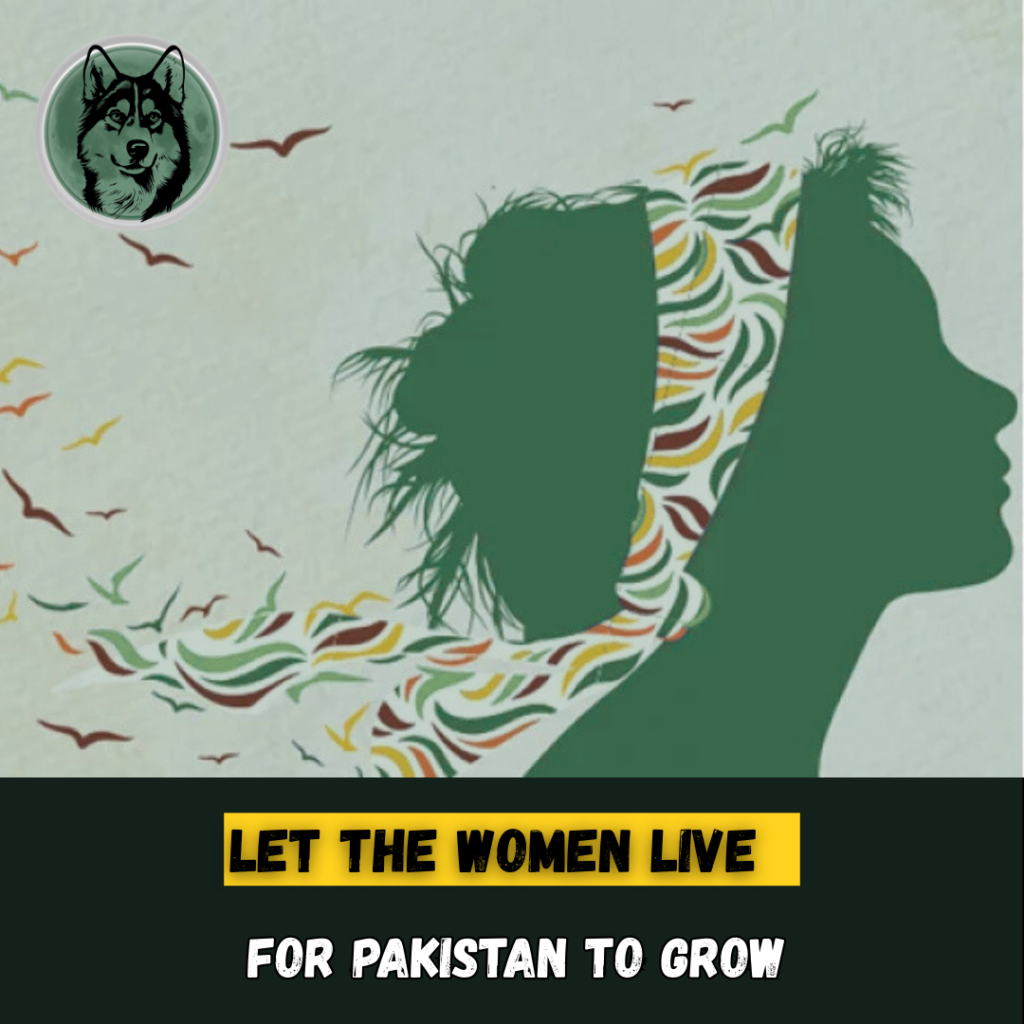
Let Women Live: Unlocking Pakistan’s Growth Through Female Autonomy
Pakistan’s economic recovery cannot be achieved through fiscal reforms alone. One of the country’s most persistent and overlooked growth barriers lies in the systematic underutilization of women — particularly educated, skilled, and financially capable women whose participation is constrained not by ability, but by social restrictions.
Cultural norms that limit women’s mobility, autonomy, and living arrangements have quietly evolved into economic constraints. By discouraging women from living independently in urban centres, Pakistan restricts productivity, innovation, and long-term growth.
If economic revival, talent retention, and competitiveness are genuine national priorities, then enabling women to live safely and independently must be recognized as an economic necessity rather than a social deviation.
An Untapped Economic Asset
Pakistan’s female labor force participation rate stands at 22.6 per cent for women aged 15–64 — far below the global average of 52.6pc, and even below the South Asian average of 25.2pc. According to the World Bank, a 10pc increase in women’s labor participation could raise Pakistan’s GDP growth by 1.5pc annually.
Comparable economies have already demonstrated this impact. Bangladesh expanded female-intensive industries to reduce poverty and grow GDP. Saudi Arabia saw billions added to its economy after easing restrictions on women’s mobility and employment. Vietnam credits a significant portion of its growth to the large-scale entry of educated women into productive sectors.
Pakistan, however, continues to lose its educated women to early workforce exit or migration abroad. Restricted mobility, unsafe transport, workplace hostility, and the expectation that women must remain in their parental homes until marriage collectively push many out of the labor market.
The Cost of Brain Drain
For many women, moving abroad becomes the only viable path to autonomy and professional growth. While remittances provide short-term relief, they cannot replace the long-term loss of domestic innovation, research capacity, and skilled labor.
Artists, engineers, lawyers, academics, doctors, and designers trained in Pakistan increasingly build their futures elsewhere — not due to lack of opportunity, but due to lack of agency.
Enabling independent living near workplaces, universities, and training hubs could significantly reduce this outflow and retain human capital within the country.
Why Independent Living Matters
Research consistently shows that when women control their time, finances, and mobility, they invest more in skills development, career advancement, and entrepreneurship.
Women living independently are better positioned to:
- Reduce time spent on unpaid domestic labor
- Avoid unsafe commutes and restrictive curfews
- Participate in internships, networking events, and late work hours
- Pursue higher education, certifications, and freelance opportunities
In Pakistan, women perform up to 10 times more unpaid domestic work than men. Independent living allows women to redirect this time toward productive economic activity.
It also strengthens household economics. Financially independent daughters contribute to family income, support parents, and enable greater investment in younger siblings’ education — improving social mobility and disrupting intergenerational poverty cycles.
A Boost to Urban Economies
An increase in independent female residents would stimulate rental markets, women-only hostels, co-living spaces, and service industries such as transport, security, food, and laundry services. This microeconomic activity would strengthen Pakistan’s service sector, already the country’s largest GDP contributor.
Independent living also builds resilience. Women managing their own households develop legal awareness, financial discipline, and negotiation skills — strengthening their confidence and long-term economic participation.
The Barriers Are Real — But Solvable
Despite its benefits, independent living remains inaccessible for many women due to structural barriers.
Financial Constraints
Urban rent, utilities, and transport costs are prohibitive without shared housing or family support, even for educated professionals.
Housing Discrimination
Landlords frequently refuse to rent to single women, demand male guarantors, or impose intrusive moral scrutiny — barriers rarely applied to men.
Safety and Mobility
Poor urban design, unsafe public transport, and unreliable ride-hailing services limit women’s ability to work late hours, attend classes, or pursue career opportunities.
Social Policing
Unmarried women living alone face constant moral judgement from neighbors, guards, and extended family, creating psychological pressure and reputational risk.
Yet these challenges are not unique to Pakistan — and they are not insurmountable. Countries with similar cultural contexts have implemented:
- Women-only hostels and secure co-living spaces
- Legal protections for single female tenants
- Gender-sensitive urban planning
- Safer, more accessible public transport systems
Pakistan can adopt the same reforms through public policy and private-sector innovation.
Reframing the Cultural Narrative
Opposition to women’s independent living is often framed as religious or moral, but Islam grants women full rights to property ownership, financial autonomy, and independent decision-making.
The resistance stems not from faith, but from inherited social norms that no longer align with Pakistan’s economic realities.
At a time of declining productivity, rising unemployment, and accelerating brain drain, restricting women’s autonomy imposes a measurable economic cost. This is not about abandoning tradition — it is about adapting to survive and grow.
Let Women Live — And Let the Economy Grow
Independent living is not a rebellion against values; it is a rational response to economic necessity. For professionally ambitious and financially capable women, living alone is often the most efficient way to remain productive, safe, and engaged in the workforce.
Pakistan cannot afford to sideline half its talent pool.
If the country hopes to rebuild its economy, retain skilled professionals, and compete globally, it must allow women the freedom to structure their lives in ways that support productivity, dignity, and growth.
Economic progress demands it.