





Landmark Decree Ahead of the Year of the Family 2026
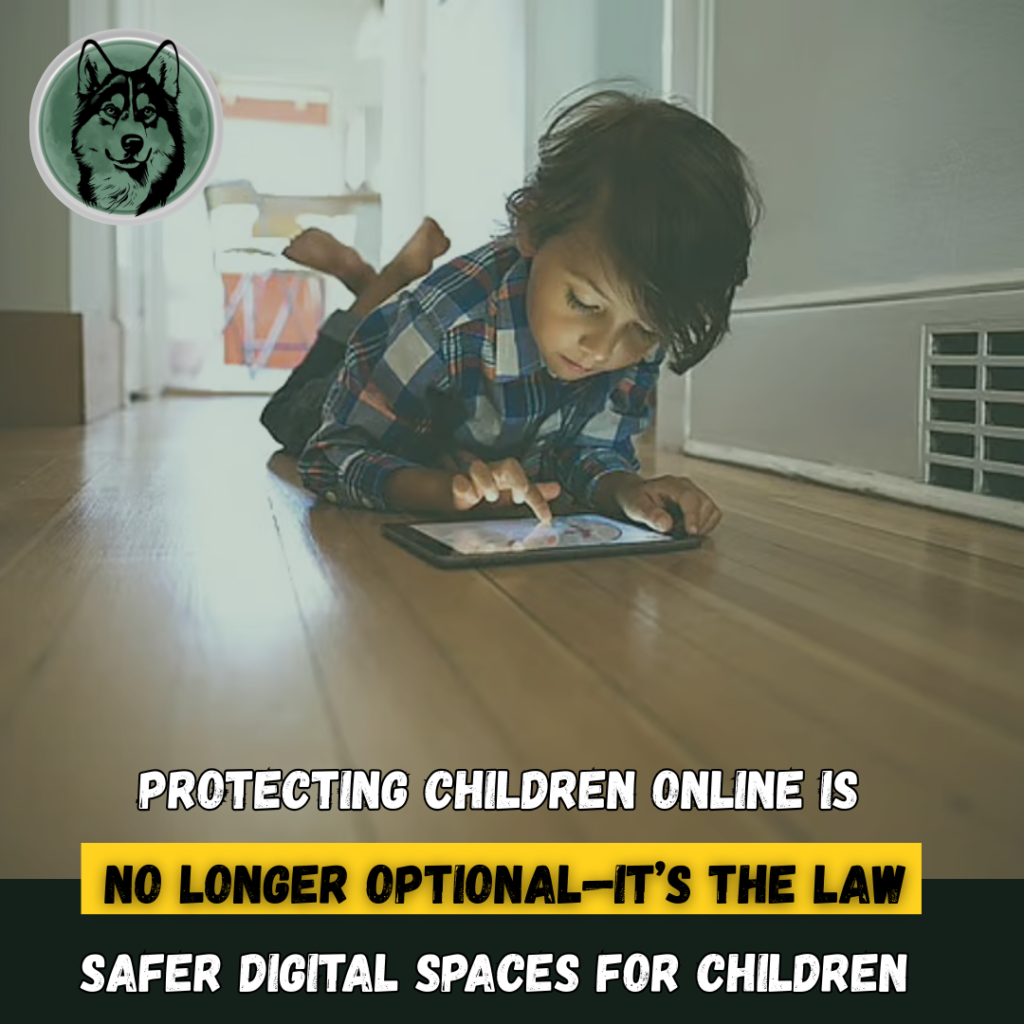
The United Arab Emirates has enacted a new federal decree law aimed at protecting children from online risks and ensuring the responsible use of safe, age-appropriate digital content. Announced on Friday, the legislation comes ahead of 2026 being designated as the Year of the Family and reflects the UAE’s long-term vision to enhance children’s quality of life and overall well-being in an increasingly digital environment.
Comprehensive Protection Against Online Harm
The new law is designed to safeguard children from digital content and practices that could negatively impact their physical, psychological, or moral development. It establishes a comprehensive regulatory framework that clearly defines the responsibilities of government authorities, digital platforms, internet service providers, and caregivers.
Wide Scope Covering Local and Global Platforms
The decree applies to all digital platforms operating within the UAE or targeting users in the country. This includes:
- Websites and search engines
- Messaging and smart applications
- Online forums and gaming platforms
- Social media and live-streaming services
- Podcasts and video-on-demand platforms
- E-commerce websites
Internet service providers and caregivers responsible for children’s welfare are also brought under the law, with specific obligations to ensure digital safety.
National Child Digital Safety Council Established
Under the legislation, a National Child Digital Safety Council will be formed and chaired by the Minister of Family. The council will be tasked with proposing national policies, legislation, and strategies to ensure the highest standards of online safety for children across the UAE.
Digital Platform Classification and Age Controls
The law introduces a national system for classifying digital platforms based on their level of risk and potential impact on children. Platforms will be evaluated according to their content, usage volume, type, and influence. Based on this assessment, age-based restrictions and control measures will be enforced.
Strict Rules on Children’s Data Protection
Digital platforms are prohibited from collecting, processing, publishing, or sharing personal data of children under the age of 13, except under clearly defined conditions. Platforms used exclusively for educational or health purposes are exempt from this restriction.
Obligations for Digital Platforms and Service Providers
The decree places stringent responsibilities on digital platforms, including:
- Default privacy settings for child users
- Robust age-verification mechanisms
- Enforcement tools for age restrictions
- Content filtering and age-rating systems
- Regulations on targeted advertising
Platforms are also prohibited from allowing children to participate in or access online commercial games involving gambling or betting activities.
Internet service providers must implement network-level filtering systems to block harmful content. Guardians will be required to sign service agreements that mandate the use of parental control tools.
Responsibilities of Parents and Caregivers
Caregivers are legally obligated to monitor children’s online activities, use parental control technologies, and avoid creating accounts for children on platforms that are not age-appropriate or compliant with child protection standards.
The law also establishes a clear and efficient mechanism for reporting harmful or abusive content, ensuring swift intervention in cases of online exploitation or abuse.
New Initiatives to Strengthen Digital Safety
To support the implementation of the law, four key initiatives have been launched:
- Interactive Children’s Camp for ages five to 18 to promote safe internet practices
- Digital Wellbeing Portal offering guidance and tools for parents
- Training Workshops for parents and teachers on digital threats
- Parental Support Platform to address urgent online safety concerns