




Her passing coincides with preparations by the BNP for polls to be held under a caretaker government
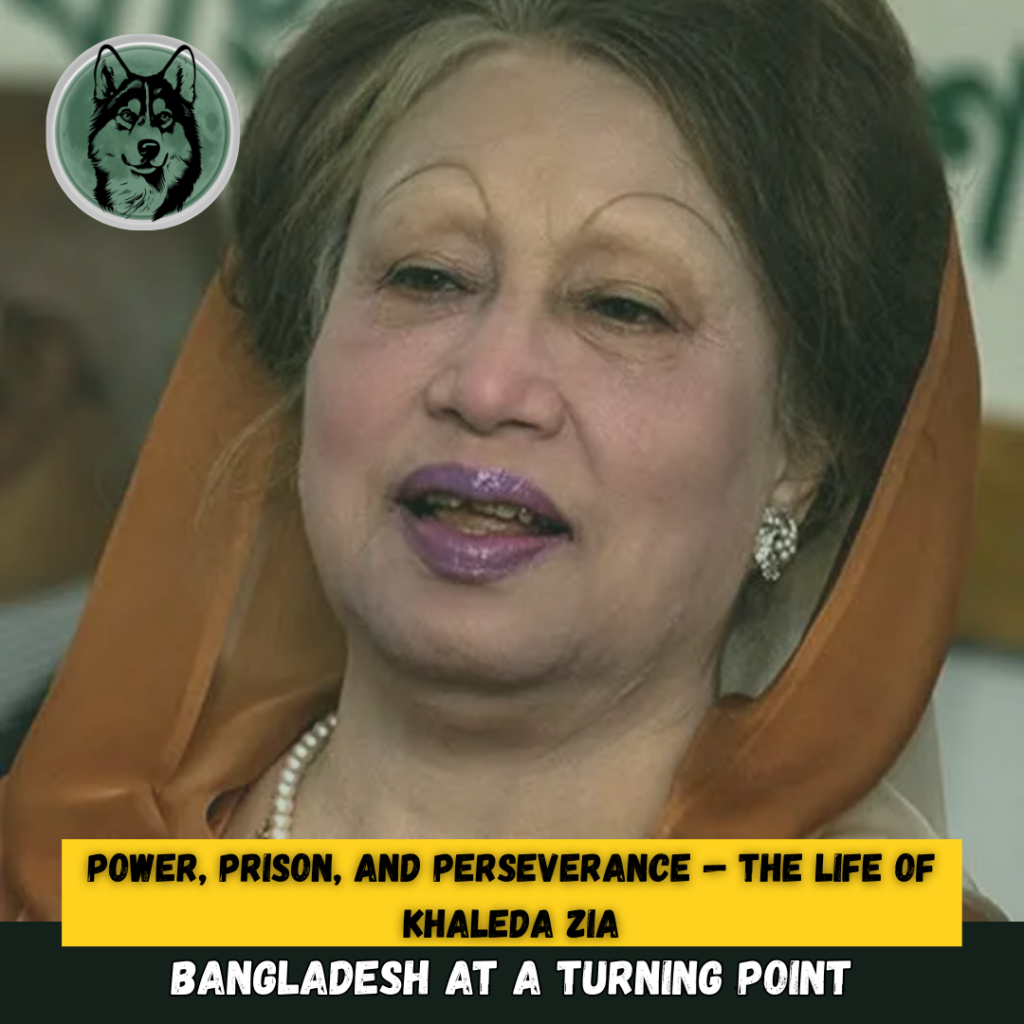
Khaleda Zia, Bangladesh’s first woman prime minister and a dominant figure in the country’s politics for more than three decades, passed away on Tuesday after a prolonged illness. She was 80.
She first came to power in 1991 and went on to engage in a long and bitter political rivalry with Sheikh Hasina, with the two leaders alternating in power for decades.
Prolonged Illness and Medical Treatment
Her party, the opposition Bangladesh Nationalist Party (BNP), confirmed her death, stating she had been suffering from multiple serious health conditions. According to her doctors, Khaleda Zia had advanced liver cirrhosis, arthritis, diabetes, and heart and chest complications.
In early 2025, she travelled to London for medical treatment, where she remained for nearly four months before returning to Bangladesh.
Continued Influence Despite Years Out of Power
Although Khaleda Zia had been out of office since 2006 and spent years either in prison or under house arrest, she and her centre-right BNP retained strong public support across the country.
The BNP is widely viewed as the frontrunner in the parliamentary elections scheduled for February.
Tarique Rahman’s Return and Election Outlook
Her son, Tarique Rahman, 60, the acting chairman of the BNP, returned to Bangladesh last week after nearly 17 years in self-imposed exile. He is widely regarded as a strong contender for the post of prime minister.
Bangladesh Under Interim Government
Since August 2024, Bangladesh has been governed by an interim administration following a student-led uprising that removed Sheikh Hasina from power. The caretaker government is headed by Nobel Peace Prize laureate and microfinance pioneer Muhammad Yunus.
In November, Hasina was sentenced to death in absentia over her violent crackdown on student protests.
From Housewife to Political Leader
Known simply as Khaleda, she was initially described as shy and focused on raising her two sons. Her political journey began after her husband, President Ziaur Rahman, was assassinated during a failed military coup in 1981.
Three years later, she assumed leadership of the BNP, a party founded by her late husband, pledging to lift Bangladesh out of poverty and economic stagnation.
Alliance Turned Rivalry with Sheikh Hasina
Khaleda once joined forces with Sheikh Hasina, daughter of Bangladesh’s founding leader, to lead a mass movement that toppled military ruler Hossain Mohammad Ershad in 1990. However, their alliance soon collapsed, giving way to one of South Asia’s most intense political rivalries.
Supporters viewed Khaleda as calm, polite, and measured, yet firm and unyielding in defending her party. Hasina, in contrast, was known for her outspoken and assertive style. Their opposing personalities shaped Bangladesh’s politics for decades.
Historic 1991 Victory and Major Reforms
In Bangladesh’s first widely recognised free election in 1991, Khaleda defeated Hasina with support from the Islamist Jamaat-e-Islami party. She became the country’s first female prime minister and the second woman to lead a democratic government in a Muslim-majority nation, after Pakistan’s Benazir Bhutto.
During her tenure, she restored the parliamentary system, eased restrictions on foreign investment, and made primary education free and compulsory.
Second Term and Political Turmoil
After losing the 1996 election, Khaleda returned to power in 2001 with a landslide victory. Her second term, however, was marked by the rise of Islamist militancy and allegations of corruption.
In 2004, a grenade attack targeted a rally addressed by Hasina, killing more than 20 people. Khaleda’s government was widely blamed, though the BNP rejected the accusations as politically motivated.
Arrests, Convictions, and House Arrest
An army-backed interim government took over in 2006 amid widespread unrest. Both Khaleda and Hasina were jailed on corruption charges and released ahead of the 2008 election.
Khaleda never returned to power. The BNP boycotted the 2014 and 2024 elections as her feud with Hasina continued to dominate national politics.
In 2018, Khaleda, her son, and aides were convicted of misusing foreign donations. She was jailed but later placed under house arrest in 2020 due to worsening health.
She was freed in August 2024 following Hasina’s removal from office.
Relief and Passing
In early 2025, Bangladesh’s Supreme Court overturned the corruption convictions against Khaleda and Tarique Rahman. Rahman had also been acquitted earlier in the grenade attack case.
Regional Condolences
Pakistan’s Prime Minister Shehbaz Sharif expressed condolences on X, stating that Begum Zia was “a committed friend of Pakistan” and that Pakistan stands with the people of Bangladesh in their time of grief.