

UN-backed humanitarian consignments given priority clearance
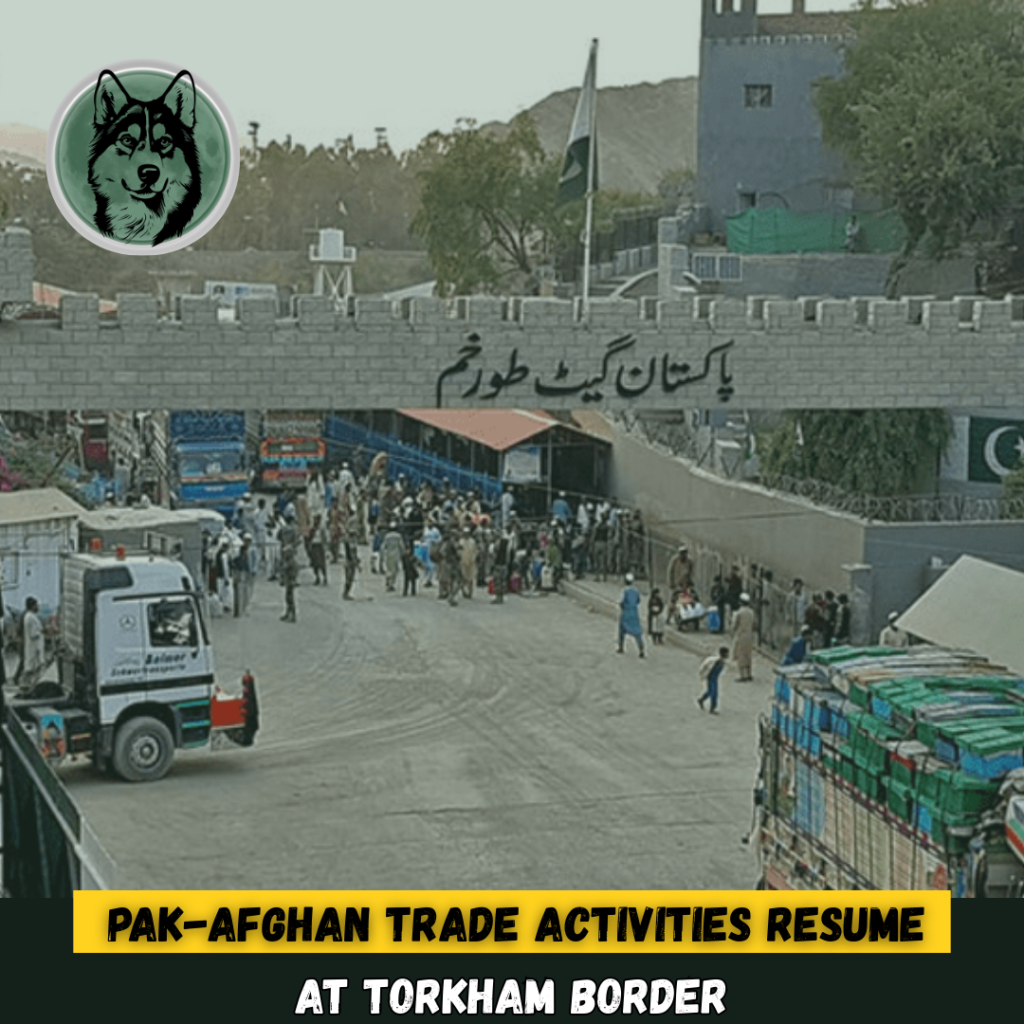
Trade activities between Pakistan and Afghanistan have officially resumed at the Torkham border, bringing long-awaited relief to traders, transporters, and businesses following weeks of disruption.
First Phase of Trade and Relief Movement
According to border sources, food items, commercial goods, and loaded containers were dispatched toward Afghanistan from Jamrud through the National Logistics Cell (NLC) as part of the initial phase of restored cross-border movement.
Officials confirmed that relief consignments were also sent with the participation of the World Food Programme (WFP), underscoring a strong focus on humanitarian assistance alongside trade normalization.
Phased Clearance Underway
Border authorities stated that containers will begin entering Afghanistan after completing full clearance procedures at Torkham, which are being carried out in phases to ensure smooth operations and avoid congestion.
Officials noted that the phased approach is designed to stabilize trade flows while gradually increasing the volume of cross-border movement.
Border Situation Expected to Improve
Sources indicated that the situation at the border is expected to improve further over the next four days, with a steady rise in the movement of goods and containers as coordination between both sides strengthens.
Trade Likely to Be Restored Permanently
Border officials expressed optimism that Pak-Afghan trade will be restored on a permanent basis, citing improved coordination, structured clearance mechanisms, and sustained cooperation as key factors in preventing future disruptions.
UN Humanitarian Aid Given Priority
Earlier this month, Pakistan reopened the Torkham and Chaman trade crossings to facilitate the urgent delivery of food, medicines, and essential relief supplies to Afghanistan following a humanitarian appeal by the United Nations.
On humanitarian grounds, and in consultation with the Ministry of Foreign Affairs, the Ministry of Commerce issued formal instructions to Member Customs, the Federal Board of Revenue (FBR), and the Directorate General of Transit.
Three-Phase Clearance Plan for UN Cargo
Under the phased clearance plan:
- First phase: Containers carrying food items from UN agencies
- Second phase: Medicines and medical equipment for Afghanistan’s healthcare system
- Third phase: Educational kits for students and teachers, along with other essential humanitarian supplies
Officials said the structured plan will ensure efficient handling of cargo while prioritizing urgent humanitarian needs.