




Across the globe, one lesson is common in every successful industry and among successful people. Before starting anything new, they plan for failure, not just success. That mindset is why losses are reduced, disasters are avoided, and recovery is faster.
Emergency planning is not fear-based thinking. It is smart preparation—having answers ready before problems appear. This is exactly where safety models like the Swiss Cheese Model and LOPA help us learn.
The Core Idea: Always Have Plan A and Plan B
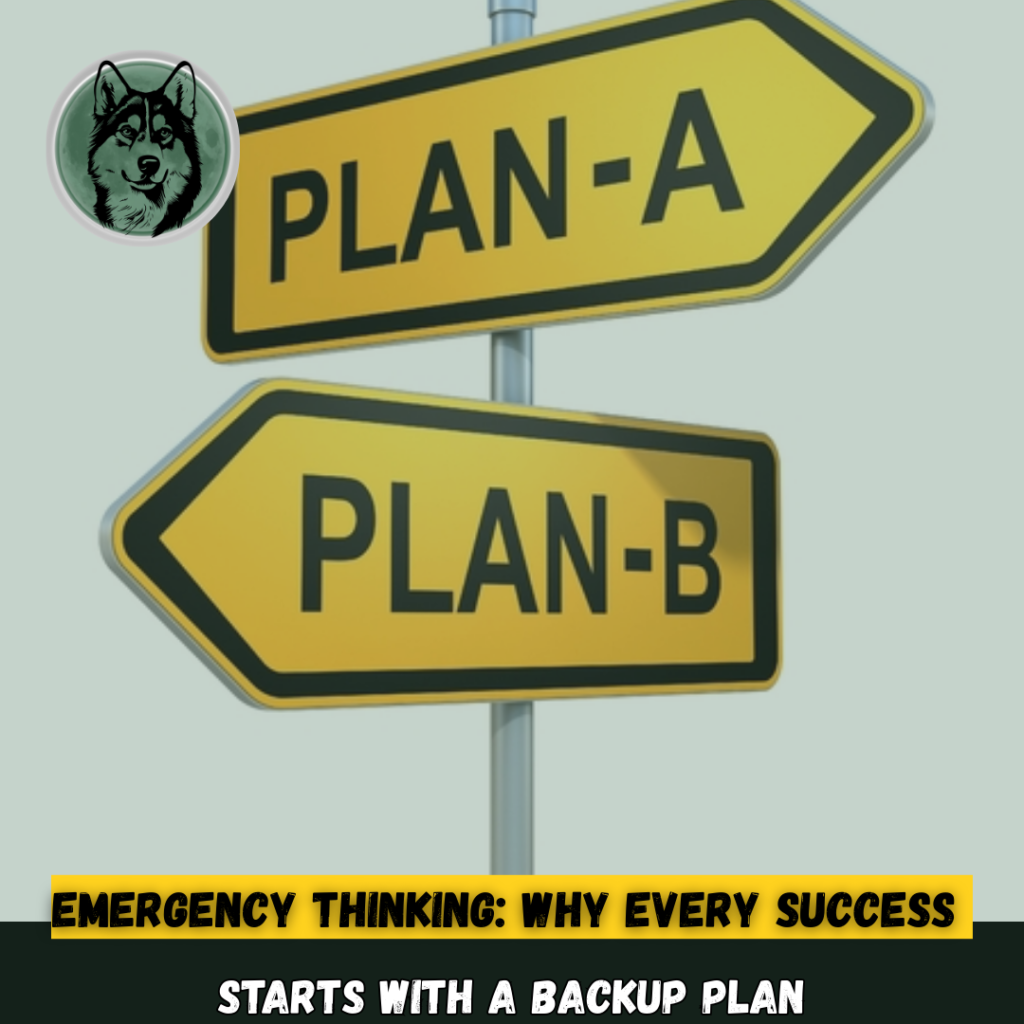
Plan A is what we want to work.
Plan B is what saves us when Plan A fails.
Strong systems never rely on a single option.
This is why industries, large businesses, and even wealthy organizations invest heavily in emergency response. They know one failure should never be allowed to become a disaster.
Understanding Failure Through the Swiss Cheese Model
The Swiss Cheese Model explains how accidents happen. Each safety layer is like a slice of cheese with holes. When holes line up, failure passes through all layers.
Key learning from this model:
- One control is never enough
- Multiple weak barriers create disasters
- Strong layers stop failure early
Accidents are not sudden. They pass through gaps that were ignored.
Why Emergency Response Makes Failures Preventable
Emergencies become disasters only when preparation is missing. When response plans exist, damage is limited and recovery is quick. This is why most major losses are labeled “preventable.”
Prepared systems already have:
- Alternative actions
- Backup equipment
- Clear decision authority
- Trained response teams
Failure is expected—but damage is controlled.
Layer of Protection Analysis (LOPA): Thinking Beyond One Control
LOPA focuses on independent protection layers. Each layer must work on its own, without depending on another. The goal is to reduce risk step by step.
Typical protection layers include:
- Design safety
- Alarms and monitoring
- Human response
- Automatic shutdown systems
- Emergency response plans
If one layer fails, the next one must stop the event.
How, Why, and What: Asking the Right Questions
Every strong plan starts with simple questions. These questions expose weaknesses before losses happen. They force thinking beyond assumptions.
How
- How can this fail?
- How can people be harmed?
Why
- Why would controls fail?
- Why would humans make mistakes?
What
- What happens if everything goes wrong?
- What is our last line of defense?
Control Measures That Reduce Losses
Controls must be practical and layered. They should not rely on luck or perfect behavior. Strong controls work even under stress.
Effective control measures:
- Engineering safeguards
- Clear operating procedures
- Training and drills
- Monitoring and alarms
- Emergency isolation and evacuation
No single control should carry all responsibility.
Benefits of Emergency-Focused Thinking
Prepared organizations lose less and recover faster. They protect people, assets, and reputation. Most importantly, they stay operational when others fail.
Key benefits include:
- Reduced accidents and downtime
- Financial loss prevention
- Faster emergency response
- Higher trust from stakeholders
- Long-term sustainability
Success is protected by preparation.
A Simple Learning Lesson for Everyone
Failure is not the enemy. Unprepared failure is the real danger. Every activity—small or large—needs a backup plan.
Think before starting:
If this doesn’t work… what is my Plan B?
That single question separates loss from survival.