



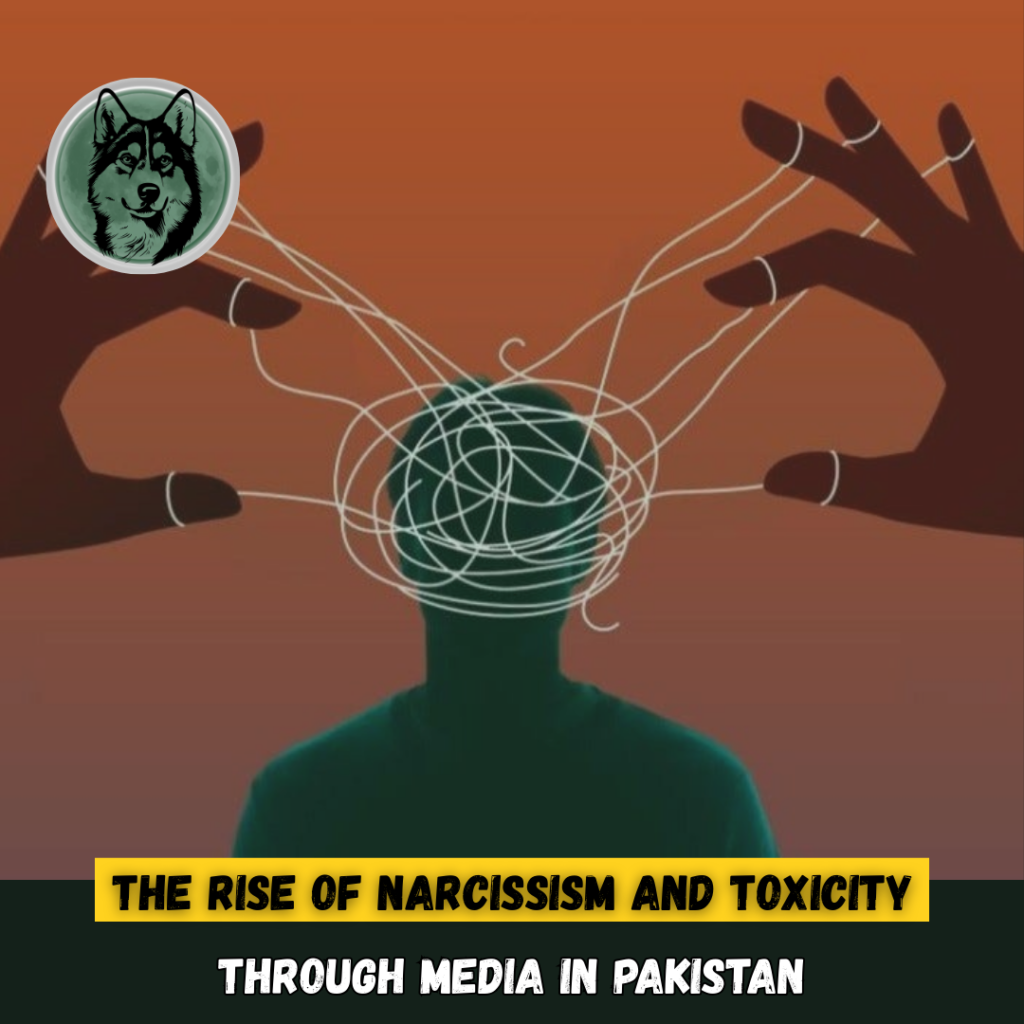
In the age of smartphones and social platforms, Pakistan’s media landscape is undergoing a profound shift, one with deep psychological and cultural implications. Once dominated by traditional journalism and restrained public discourse, today’s media environment increasingly reflects narcissistic posturing and toxic engagement, amplified across television, digital news, and social platforms. What was once the art of information has, in many corners, become a spectacle of self-promotion, conflict, and emotional volatility.
The Vanity Mirror of Social Media
At the core of this trend is social media where individual personas often matter more than collective truth. Platforms like TikTok, Instagram, and even Twitter (X) reward polarization, sensationalism, and performance. In Pakistan, these platforms have given rise to a generation of “content personalities” whose popularity hinges on attention rather than authenticity.
Here, narcissism isn’t merely self-interest, it is the constant performance of self. Whether through exaggerated lifestyles, public feuds, or orchestrated controversies, many influencers and public figures shape their digital identity around likes, shares, and virality. The result? A cultural shift where worth is measured by visibility and conflict becomes click-bait.
Toxicity as Currency
Toxicity, amplified hostility, relentless criticism, selective outrage, is now a form of currency in Pakistani media ecosystems. It manifests in three main arenas:
1. Talk Shows and Political Panels:
Prime-time television, once a space for nuanced debate, now often rewards loud arguments and personal attacks. Hosts and guests frequently escalate disagreements into public dramas, eroding constructive dialogue in favor of theatrics.
2. Influencer Clashes:
From accusation threads to reaction videos, the influencer community often thrives on conflict. Two creators in disagreement generate engagement, and engagement translates directly to revenue and relevance.
3. Public Shaming and Cancel Culture:
Mistakes, both real and perceived are broadcast and amplified, with little room for context or rehabilitation. What should be healthy accountability often devolves into toxic mob judgment.
This rush toward confrontation feeds on emotional intensity rather than factual clarity. Outrage spreads faster than understanding; sensationalism crowds out sober reflection.
Why Is This Happening Now?
There are several reasons Pakistani media reflects these tendencies:
• Algorithmic Incentives: Social platforms prioritize content that evokes strong reactions. Anger, shock, and fury keep users engaged and advertisers paying.
• Weak Regulatory Boundaries: Loose oversight of digital spaces enables irresponsible or predatory behavior. Without clear codes of conduct, media personalities are incentivized to chase eyeballs over ethics.
• Attention Economy Pressures: Traditional media outlets compete with digital platforms for audience share. Instead of differentiating through quality, some mimic the attention-grabbing tactics of influencers.
• Psychological Needs: In uncertain socioeconomic conditions, many find psychological comfort in loud opinions, tribal allegiances, and social confrontation. Narcissistic displays, however hollow, provide a sense of identity and control.
Consequences for Public Discourse
The democratic value of media lies in its ability to inform, educate, and challenge. When narcissism and toxicity dominate, that role erodes:
- Polarization deepens as individuals form rigid echo chambers.
- Nuance and empathy shrink, replaced by binary thinking.
- Public trust declines, audiences become cynical of both media and fellow citizens.
- Youth identity gets distorted, prioritizing performative fame over real skills and grounded values.
This degradation impacts social cohesion not just headlines.
Turning the Tide: A Call for Media Maturity
Reversing the trend won’t be easy, but it is possible:
1. Promote Media Literacy:
Audiences must learn to distinguish between entertainment, journalism, and manipulation. Critical media consumption should be part of education.
2. Encourage Ethical Standards:
Journalists, anchors, and creators need clear ethical frameworks. Accountability mechanisms — both institutional and community-driven can curb reckless behavior.
3. Value Substance Over Sensation:
Platforms and content creators can prioritize informative, empathetic storytelling. Quality content should be rewarded with visibility and support.
4. Foster Healthy Dialogue:
Spaces that encourage reasoned debate over shouting matches through moderated forums, community discussions, and civil engagement help repair the social fabric.
Conclusion: Beyond the Noise
The growing visibility of narcissism and toxicity in Pakistan’s media reflects broader cultural shifts but it is not destiny. A vibrant society needs discourse that is truthful, respectful, and oriented toward growth rather than conflict.
Media does not merely reflect reality it shapes it. If we want a society that values empathy, depth, and reason, our media landscape must prioritize those same qualities. The choice isn’t between silence and spectacle it’s about how we choose to communicate.
Because at the end of the day, what we consume shapes who we become.