




A Heritage Landmark, A Disturbing Reality
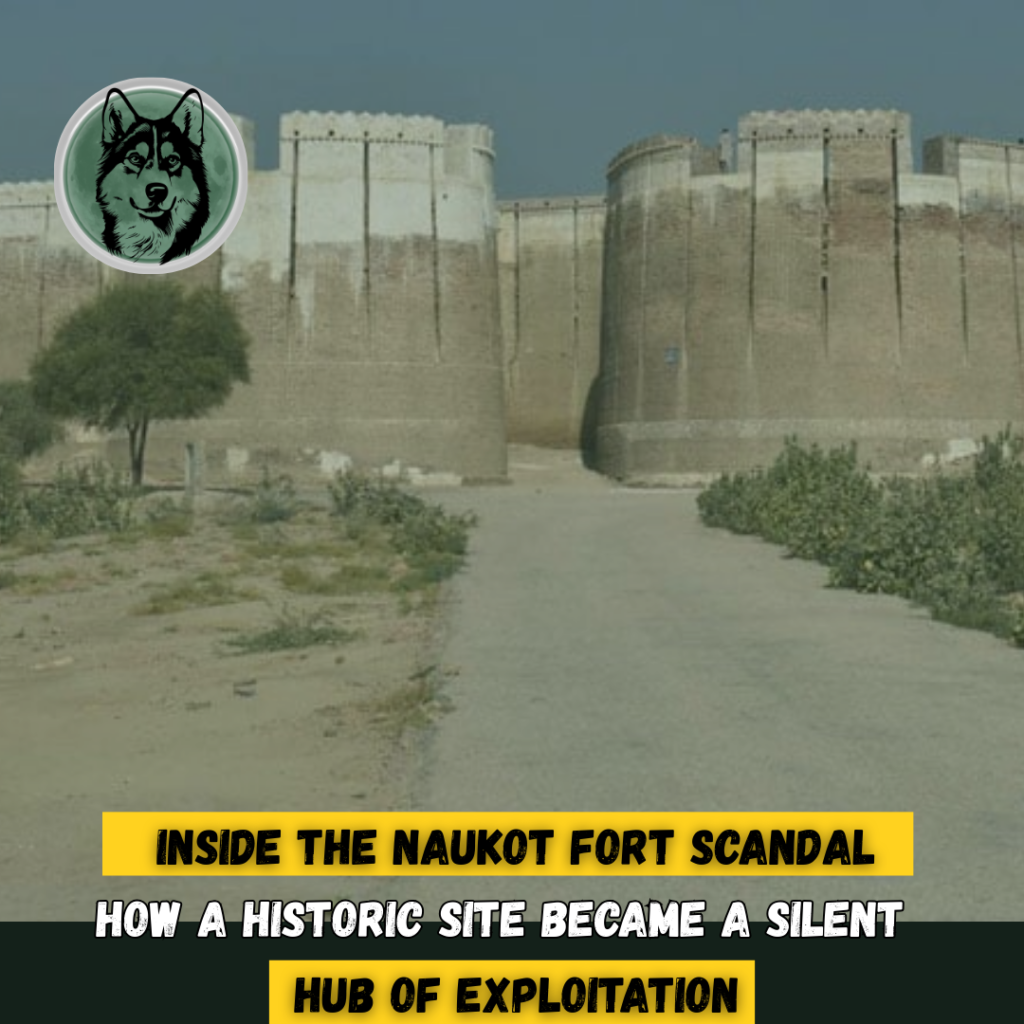
Naukot Fort, a symbol of Sindh’s rich history, now stands at the center of a scandal that has exposed deep cracks in heritage management. A viral obscene video allegedly filmed inside the fort has not only shocked the public but also raised alarming questions about how such acts went unnoticed for years.
What initially appeared to be a single incident is now being investigated as part of a wider, organized operation.
The Arrest That Opened a Bigger Case
Police arrested a fort guard, Walam Bheel, soon after the video spread online. He was moved to an undisclosed location for interrogation, signaling the sensitivity of the case.
Investigators say early findings suggest the guard did more than neglect his duty. He allegedly facilitated access to secluded areas inside the fort. These locations were later used to secretly record visitors.
The footage, according to police sources, was then used for blackmail.
Pattern of Exploitation, Not an Isolated Act
Officials involved in the investigation say this was not a one-time lapse. Evidence points toward a pattern that may have continued for years.
A retired guard, Aachar Bheel, claimed the video was recorded around a year ago. Police, however, say multiple videos in circulation suggest repeated exploitation.
Sources allege that visitors were deliberately guided to hidden spots in exchange for money. Once recorded, victims were allegedly threatened with exposure unless they paid.
Where Was the Oversight?
The scandal has renewed scrutiny on the Culture Department’s oversight. In August last year, the Sindh culture minister conducted a surprise visit to Naukot Fort.
Several employees were suspended for absenteeism. Yet, many were later reinstated. No structural reforms followed.
Critics now argue that temporary actions without sustained monitoring created space for abuse to continue.
Revenue Without Responsibility?
Visitors pay an entry fee of Rs50. Thousands of rupees are collected daily. Locals question where this money goes.
There are no visible surveillance systems. Security checks remain minimal. Record-keeping is weak.
For a protected heritage site, the lack of basic safeguards is striking.
Media Pressure and Official Silence
Journalists attempting to obtain official comments reported hostile behavior from local police officials. Allegations of threats were later reported to senior authorities.
This resistance has fueled suspicion. Observers say transparency is essential if trust is to be restored.
Silence, they warn, only deepens the damage.
The Larger Cost: Culture, Trust, and Tourism
Beyond the criminal allegations lies a deeper concern. When heritage sites become unsafe, public trust collapses.
Tourism suffers. Cultural identity weakens. Communities lose pride in landmarks meant to unite them.
Experts argue that heritage protection is not symbolic. It requires strict governance, trained staff, and zero tolerance for misconduct.
The Road Ahead: Accountability or Repetition?
The investigation continues, but the outcome will define more than one case. It will test whether institutions can protect public spaces or merely react after damage is done.
If accountability stops at a single arrest, the system remains broken.
If reforms follow, Naukot Fort may yet reclaim its dignity.
Final Analysis
This scandal did not emerge overnight. It grew quietly through neglect, weak oversight, and compromised authority.
The question now is simple and urgent:
Will this investigation expose the full truth or will history repeat itself behind ancient walls?