





1. Introduction
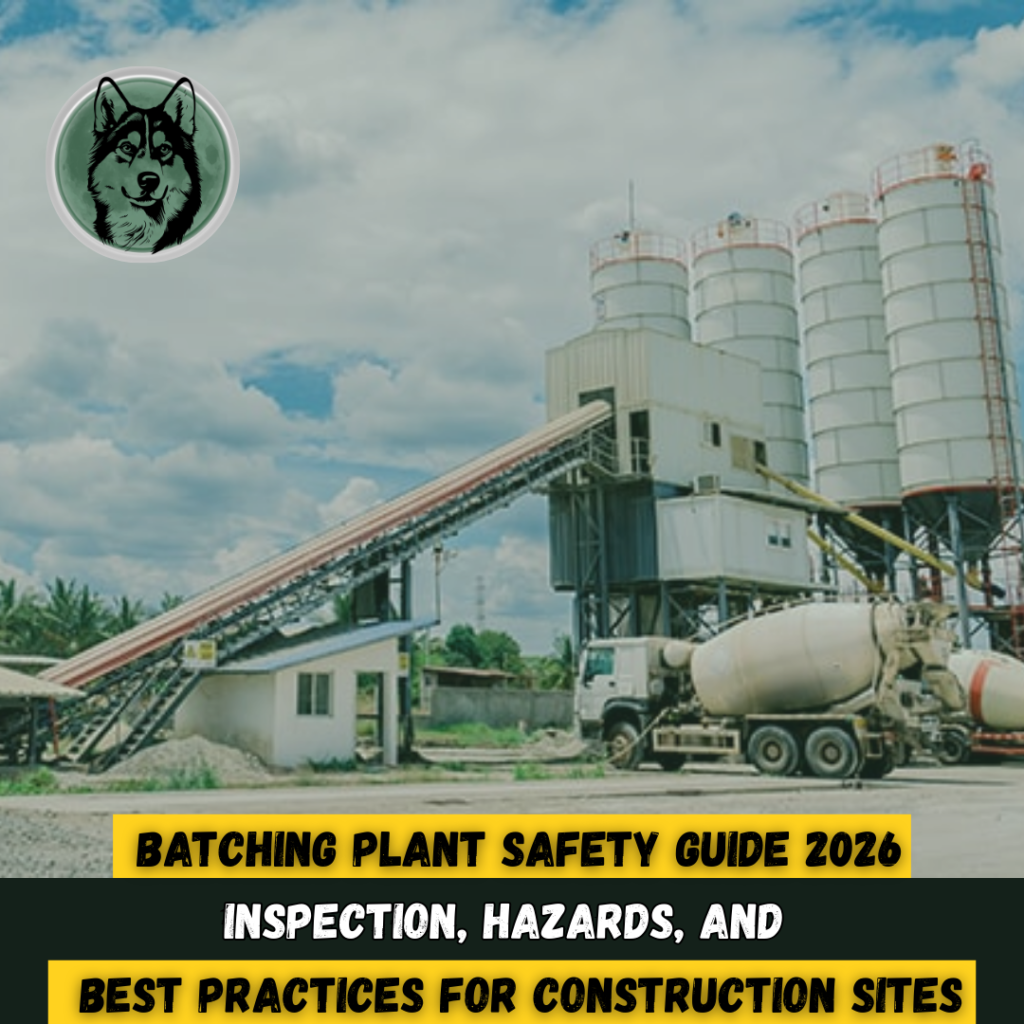
A batching plant (often called a concrete batching plant) is a facility on or near a construction site where raw materials cement, water, aggregates (sand, gravel), and additives are measured, combined, and mixed to produce fresh concrete for building structures, pavements, bridges, and infrastructure work. It ensures the site receives consistent volumes of concrete with precise quality, minimizing delays and waste, and improving overall construction efficiency.
Batching plants may operate 24/7 for large projects, especially where continual supply is needed such as mass pours or infrastructure works requiring careful safety and work planning for both day and night shifts.
2. Functions of a Batching Plant
The primary job of a batching plant is to:
- Store Raw Materials: Safely keep cement, aggregates, water, and admixtures in bulk.
- Weigh Materials: Measure each ingredient to precise ratios for mix designs.
- Mix Concrete: Combine materials in a mixer to produce homogenous, high-quality concrete.
- Control Quality: Check consistency, slump, and strength as per specifications.
- Deliver Concrete: Load ready mix into transit trucks for placement on site.
Efficient batching ensures concrete quality, timing, and cost control, which are crucial to project success.
3. Core Components of a Batching Plant
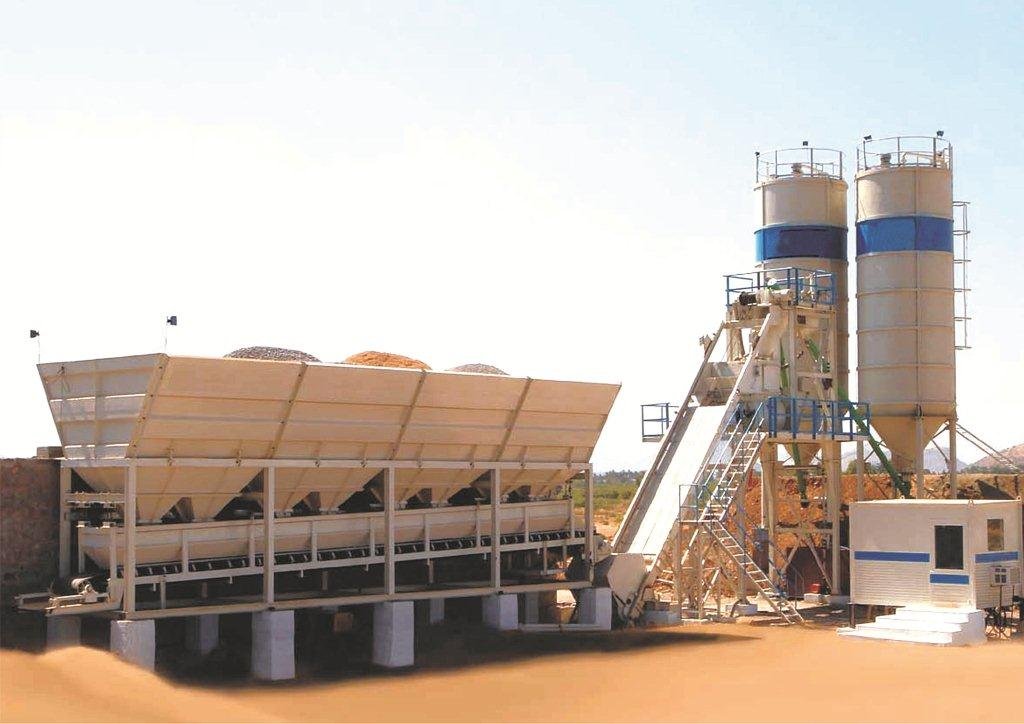
A typical batching plant includes several integral parts:
- Cement Silos — store and dispense cement.
- Aggregate Bins — house sand, gravel, and crushed stone.
- Weighing Systems — measure each ingredient accurately.
- Conveyor Belts & Feeders — transport aggregates to the mixer.
- Mixer Unit — the heart of the plant where materials are blended.
- Water Tank & Pump — supplies measured water for mix batches.
- Control System — automated electronic panel that monitors batching operations.
- Dust Collection System — minimizes airborne cement particle pollution.
These components must be well-maintained and regularly inspected to ensure safe and correct functioning.
4. How to Inspect a Batching Plant as a Safety Officer
As a Safety Officer, your inspection should combine equipment checks, environmental assessments, and personnel compliance:
A. Pre-Operational Checks
- Verify PPE use (helmets, gloves, goggles, boots, dust masks).
- Check permits and documentation are valid and displayed.
- Ensure emergency contacts and procedures are visible.
B. Equipment & Facility Inspection
- Are scales and weighing sensors calibrated?
- Do conveyors, mixers, belts, and silos show excessive wear or loose guards?
- Can emergency stops function correctly (test daily)?
- Electrical panels and cables should be intact, grounded, and protected.
C. Work Environment Assessments
- Are work passages unobstructed?
- Does the plant have proper dust control (water sprays, collectors)?
- Are fire extinguishers and first-aid kits readily accessible?
D. Documentation & System Checks
- Confirm there is a daily safety and hazard inspection routine.
- Review incident logs and corrective actions.
Completing checklists before shifts (especially night shifts) helps catch issues when staffing may be lean and visibility is lower.
5. Batching Plant Hazards and Control Measures
A. Common Hazards
- Dust and Respiratory Exposure: Cement and aggregates can cause irritation.
Control: Dust suppression and respirators. - Mechanical Hazards: Moving conveyors and mixers can trap body parts.
Control: Guards, lockout/tagout during maintenance. - Slip/Trip/Fall: Wet surfaces and elevated platforms.
Control: Housekeeping, fall protection gear. - Electrical Risks: Power systems can shock or ignite.
Control: Regular insulation testing, grounded systems. - Heat Stress: Especially in high temperatures.
Control: Rotate workers, shaded rest zones, hydration. - Confined Spaces: Silos and bins.
Control: Permit-to-work and gas testing.
B. Controls Summary
- Training & supervision: Everyone must understand hazards and response protocols.
- PPE enforcement: Mandatory helmets, boots, gloves, dust masks.
- Signage & barriers: Separate people from moving machinery.
- Emergency preparation: Fire plans, clear exits, assembly points.
6. Incident Examples and Safety Lessons
- A batch plant cement silo overfill released a dense cloud of cement dust, causing chronic respiratory illness due to defective safety devices.
- A worker was crushed or trapped under plant equipment at a concrete facility, resulting in fatal injury highlighting the need for lockout/tagout and safe access protocols.
- A concrete plant employee suffered a life-altering injury when a heavy gate fell, showing the importance of proper task planning and team-based controls.
These cases highlight the need for hazard controls, training, and procedures in batching operations.
7. Staffing & Shift Considerations
Typical roles:
- Batching Plant Operator: Runs the plant controls and monitors mixing.
- Maintenance Technician: Ensures equipment readiness.
- Safety Officer / HSE Supervisor: Monitors compliance and conducts checks daily.
- Material Handlers / Loaders: Manage raw material supply and cleaning.
Critical roles should be filled on every shift, including nights and weekends, to mitigate fatigue and visibility risks.
8. Temperature & Day/Night Considerations
- Heat during the day increases cement dust airborne levels — enforce hydration breaks and rotate duties.
- Cold or night shifts may face low visibility and fatigue — prioritize lighting, night-shift briefings, and regulated breaks.
- Environmental monitoring (for dust and noise) helps adjust controls seasonally.