


UN, global powers alarmed as legal storm deepens after dramatic US capture
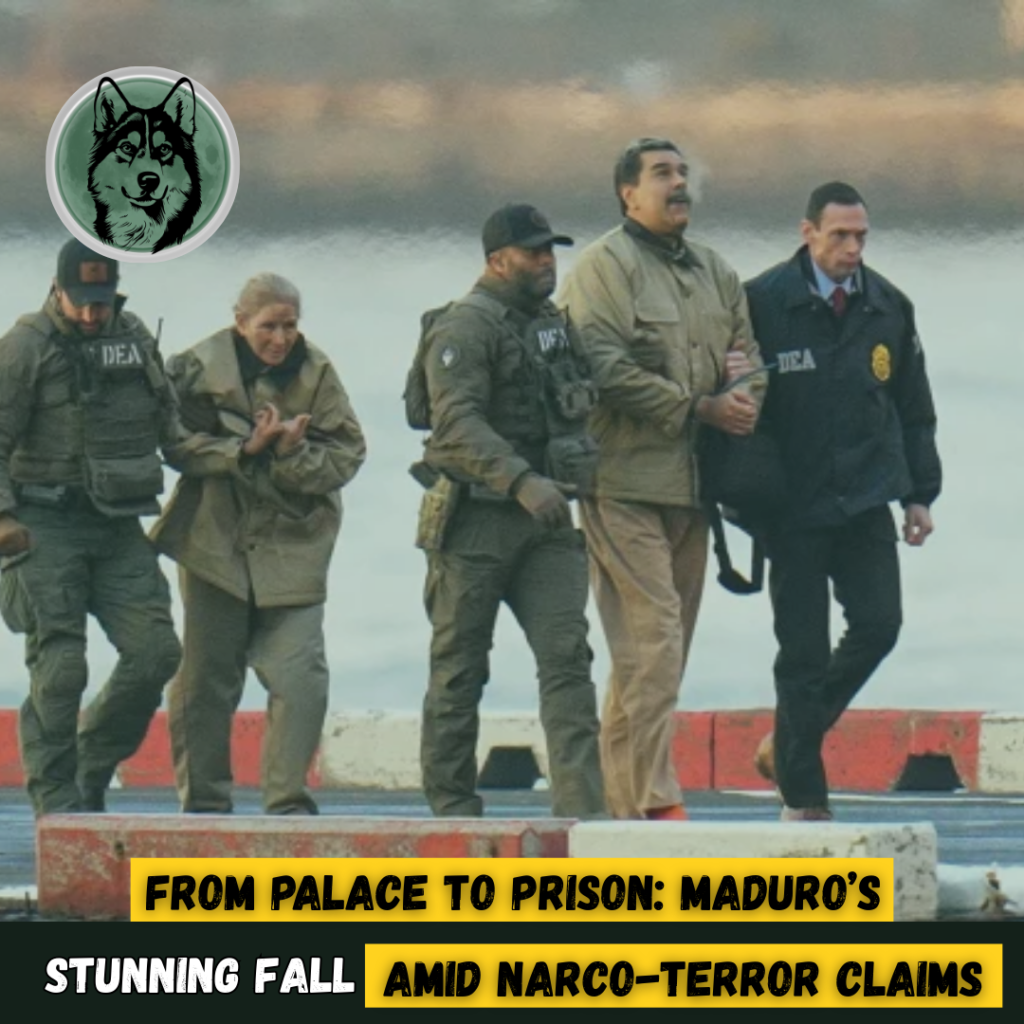
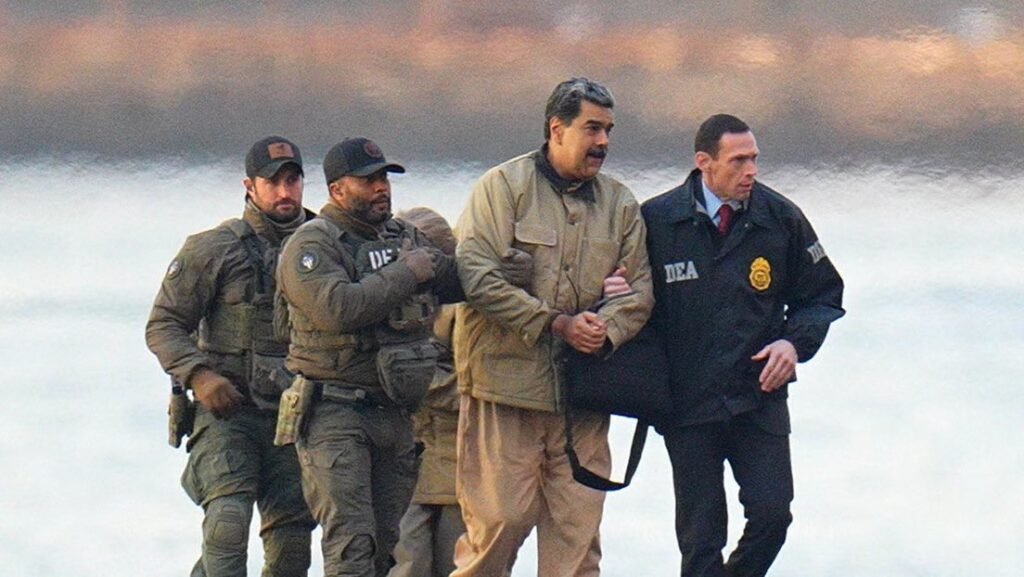
A dramatic courtroom confrontation unfolded in New York as ousted Venezuelan President Nicolás Maduro and his wife Cilia Flores pleaded not guilty to explosive narco-terrorism charges. Their appearance in a Manhattan federal court has sent shockwaves across global diplomacy, reigniting debates over sovereignty, legality, and US intervention in Latin America.
Inside the Courtroom: Defiance on Display
Maduro, 63, appeared before US District Judge Alvin K. Hellerstein under heavy security, escorted from a Brooklyn detention facility. Dressed in prison uniforms, he forcefully rejected all accusations, declaring himself innocent and claiming continued legitimacy as Venezuela’s president.
His wife, Cilia Flores, stood beside him and entered an identical plea. The judge scheduled the next hearing for March 17, formally launching what could become one of the most consequential international trials in decades.
The Charges: Alleged Cocaine Empire
US prosecutors accuse Maduro of overseeing a vast narco-terror network, allegedly coordinating with Mexico’s Sinaloa and Zetas cartels, Colombia’s FARC rebels, and Venezuela’s Tren de Aragua gang.
The charges include:
- Narco-terrorism
- Conspiracy to import cocaine into the United States
- Possession of machine guns and destructive weapons
An updated indictment expanded allegations dating back to Maduro’s early political career in 2000, naming Flores as a co-defendant.
UN Alarm and Global Backlash
As Maduro appeared in court, the UN Security Council convened in emergency discussions. Secretary-General António Guterres raised serious concerns over the legality of the US operation, calling it the most dramatic intervention since Panama in 1989.
Russia, China, and left-leaning governments condemned the raid. Legal experts questioned whether international law was violated.
Inside Venezuela, authorities issued emergency orders, warning against public support for the US action.
Trump’s Oil Signal Raises Stakes
US President Donald Trump openly tied the operation to Venezuela’s oil wealth, stating American firms would return to “rebuild” the sector. Markets reacted instantly, with US oil stocks surging.
Trump warned of further military action if Venezuela refuses cooperation on oil access and drug enforcement, a statement that has deepened fears of regional instability.
Analysis: Power, Oil, and a Nation on Edge
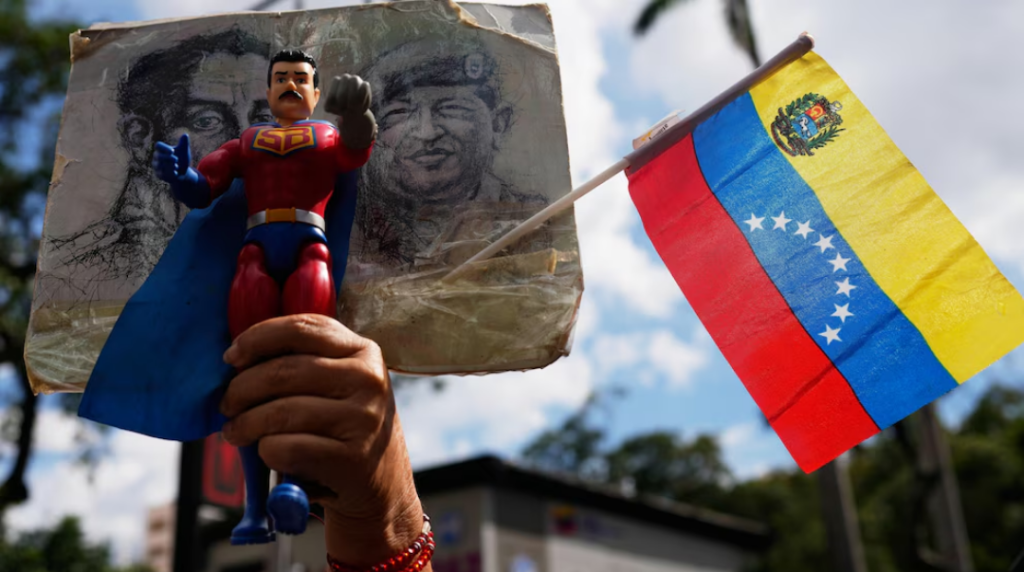
Maduro’s arrest marks a historic rupture in US-Venezuela relations. Beyond the courtroom drama lies a dangerous mix of oil ambitions, geopolitical rivalry, and legal uncertainty. With Venezuela’s future hanging in the balance, the trial could redefine power dynamics across Latin America.
2 Responses