





Strong tremor rattles Shimane, halts bullet trains, and revives nuclear safety anxieties but tsunami threat ruled out
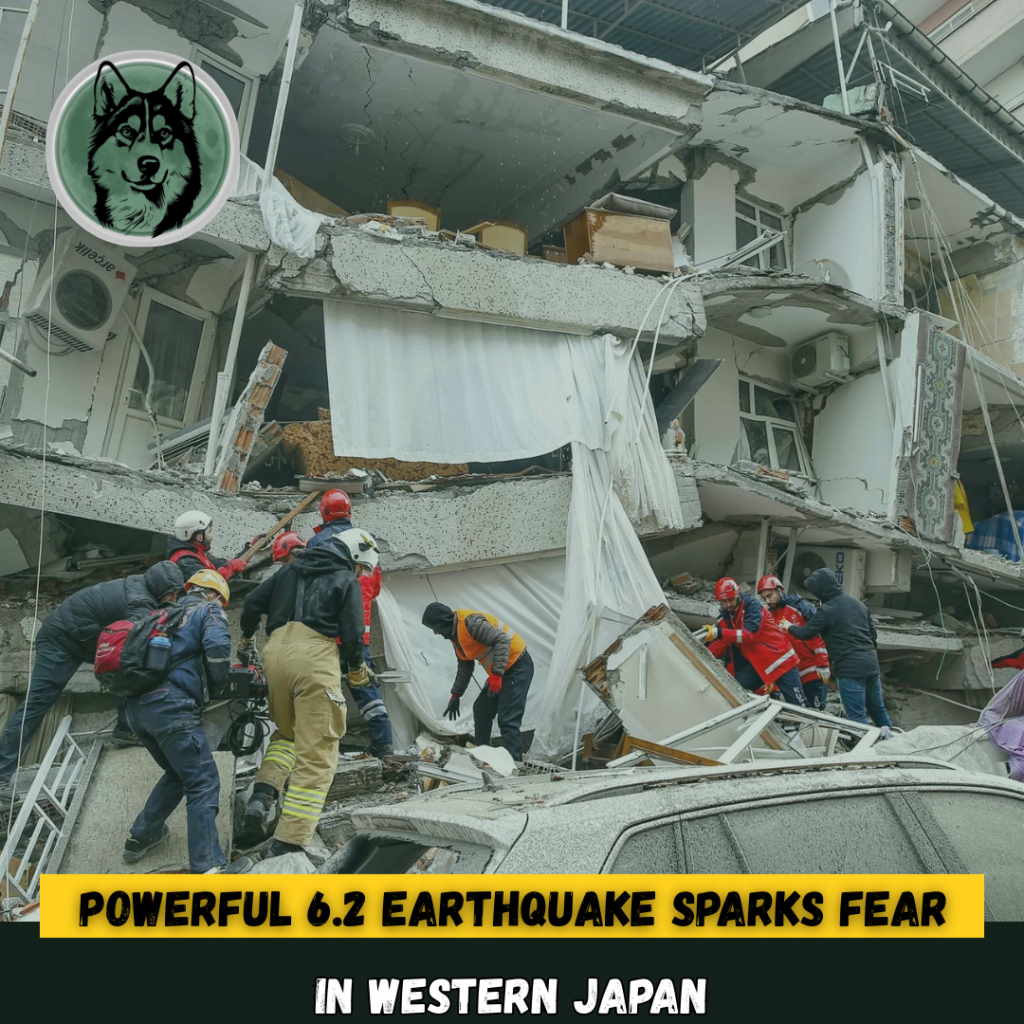
A sudden and forceful earthquake struck western Japan on Tuesday, sending tremors across the Chugoku region and reigniting public anxiety in one of the world’s most earthquake-prone nations. The magnitude-6.2 quake, though brief, was strong enough to disrupt transport, unsettle residents, and raise renewed concerns over nuclear safety.
Epicentre and Immediate Impact
According to the Japan Meteorological Agency (JMA), the epicentre was located in eastern Shimane prefecture, jolting nearby cities and towns shortly after impact. The quake registered a seismic intensity of upper-5 on Japan’s seven-level scale, a level that makes standing or moving without support difficult.
Importantly, authorities confirmed no tsunami threat, easing fears of a secondary disaster.
Aftershocks Rattle the Region
Moments after the initial tremor, a series of sizeable aftershocks rippled through the region, keeping residents on edge and prompting emergency inspections across infrastructure networks.
Japan’s disaster response systems were immediately activated, with officials urging calm while monitoring further seismic activity.
Nuclear Plant Under Scrutiny
The quake drew particular attention to the Shimane Nuclear Power Station, located approximately 32 kilometres from the epicentre.
- Chugoku Electric Power confirmed that operations at Unit No. 2 continued normally
- Japan’s Nuclear Regulation Authority reported no abnormalities
The plant had only recently resumed operations in December 2024, marking its first restart since Japan shut down all nuclear facilities following the catastrophic Fukushima disaster of 2011, a memory that continues to haunt the public consciousness.
Transport Disruptions Add to Tension
As a precautionary measure, West Japan Railway temporarily suspended Shinkansen bullet-train services between Shin-Osaka and Hakata, affecting one of the country’s busiest high-speed rail corridors.
Rail services were later assessed for safety before gradual restoration.
Japan’s Constant Seismic Reality
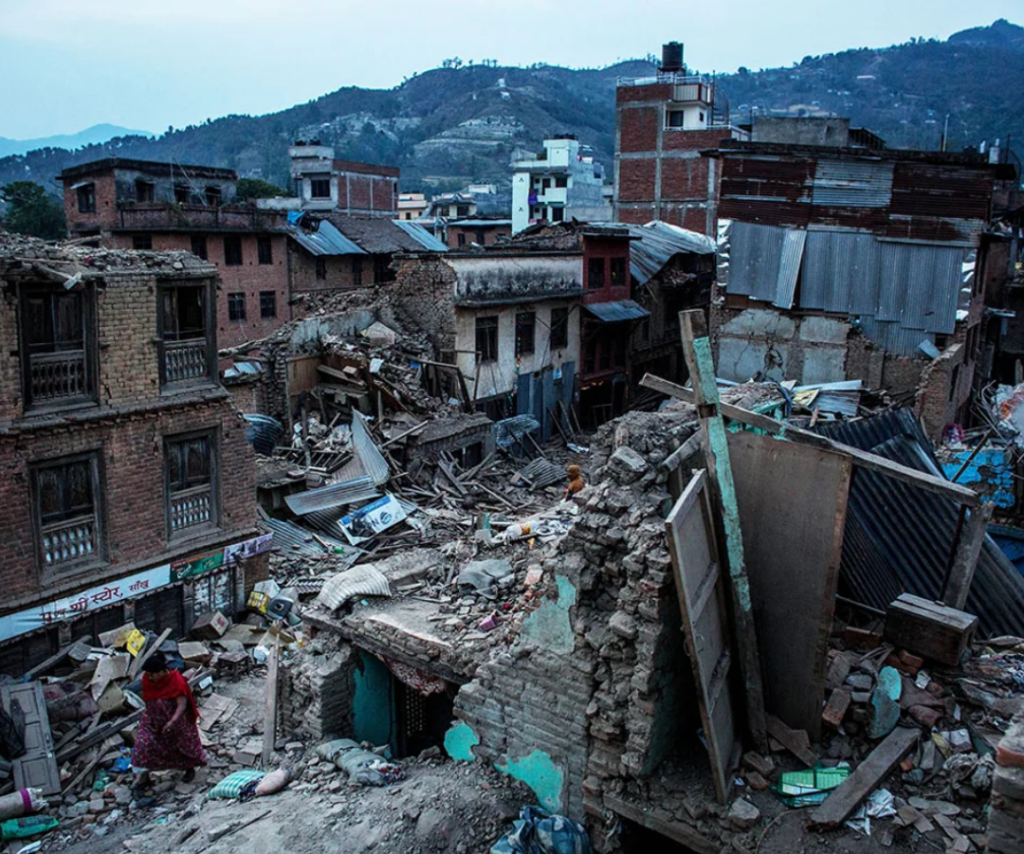
Earthquakes are a harsh and persistent reality in Japan. The country lies atop the Pacific Ring of Fire and experiences nearly 20% of the world’s earthquakes measuring magnitude 6 or higher.
While Japan’s advanced building standards and early warning systems reduce casualties, each strong quake revives fears of a larger, cascading disaster.
Conclusion
Though no casualties or major damage were immediately reported, Tuesday’s earthquake served as a stark reminder of Japan’s fragile coexistence with nature. For many, the shaking ground was not just a physical jolt — but an emotional one, reopening old wounds and unanswered questions about preparedness, resilience, and risk.