
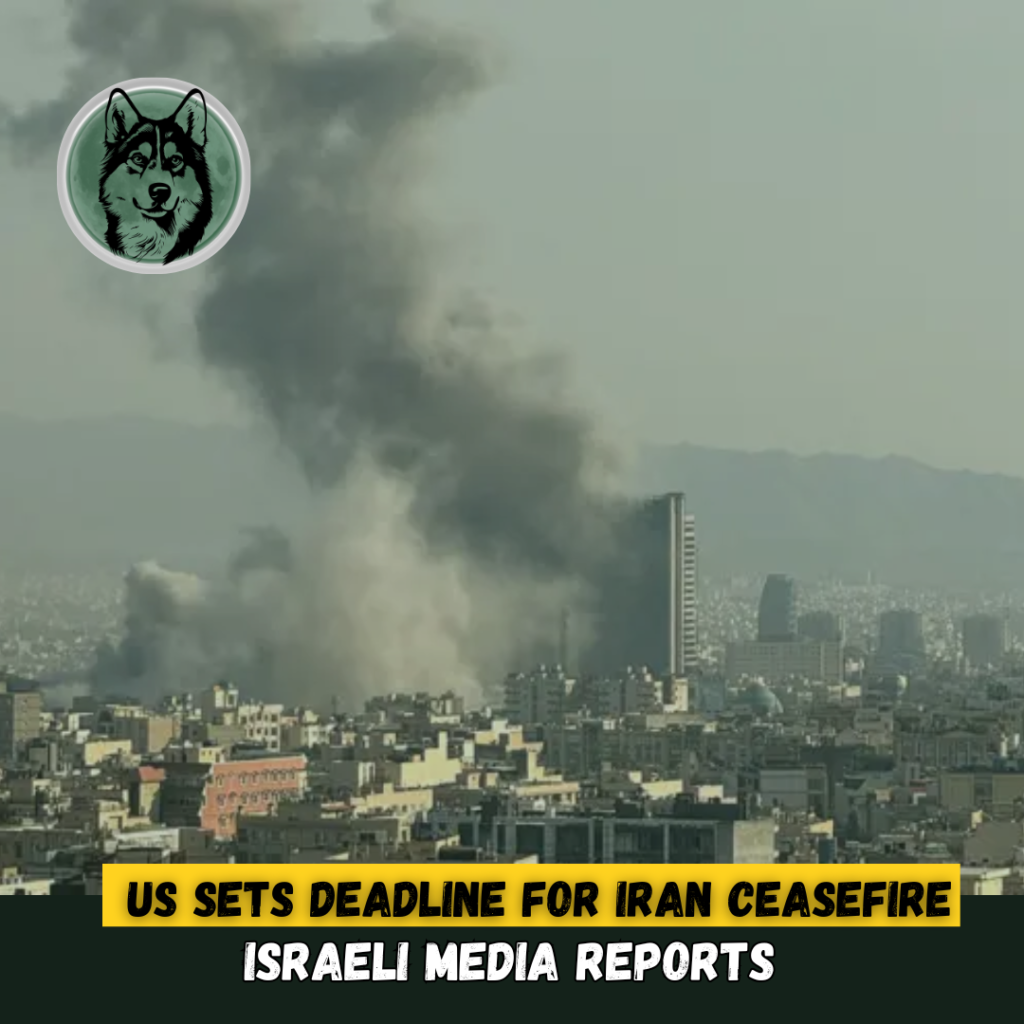

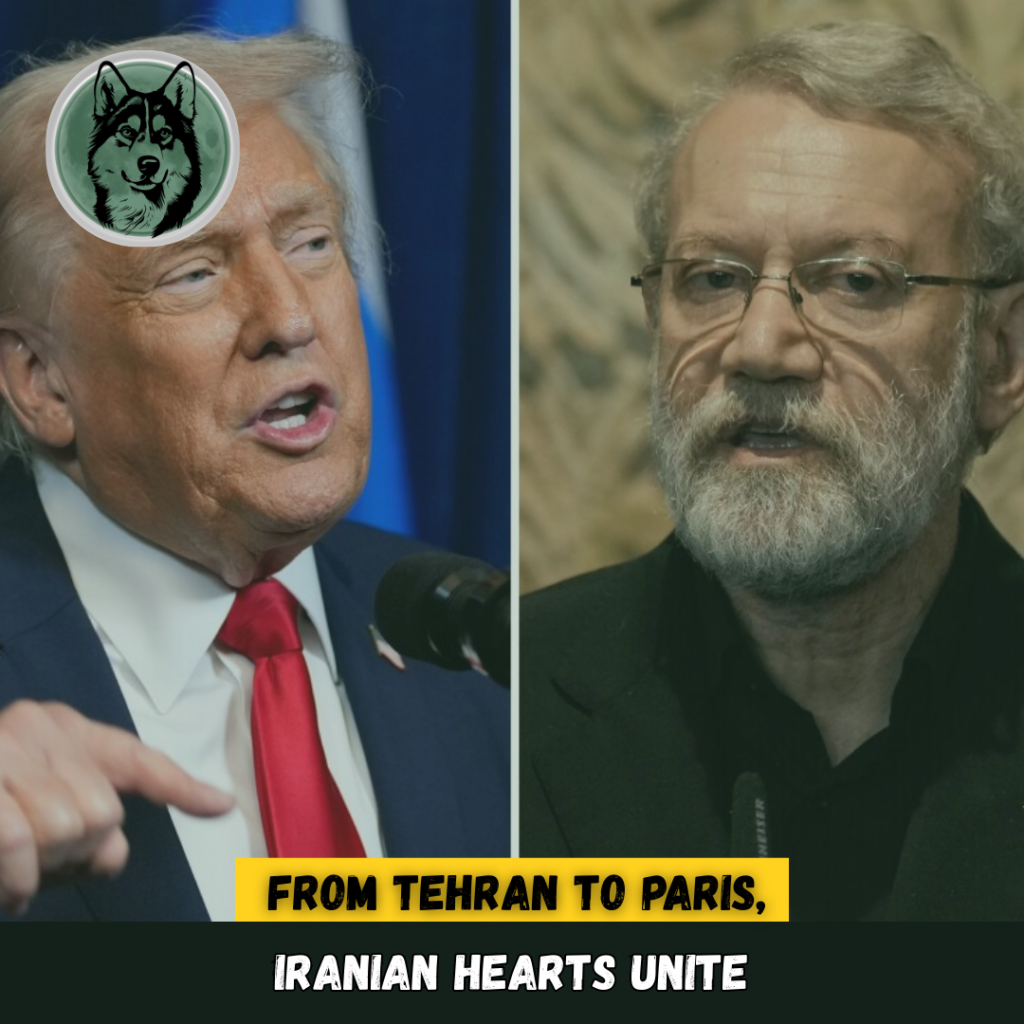
The world watches as ordinary people face extraordinary risks to claim justice, dignity, and freedom
Iran Defies US Threats Amid Nationwide Protests
Iran refused on Monday to show leniency toward rioters while defending citizens’ right to protest. This bold stance came after US President Donald Trump warned Tehran would “get hit very hard” if authorities harmed demonstrators. Millions of Iranians are risking their lives for justice, standing tall against oppression. Judiciary Chief Gholamhossein Mohseni Ejei instructed officials to act firmly against instability:
“Act in accordance with the law, with resolve against rioters and those who support them… no leniency.”
He stressed the government listens to genuine protesters but will punish rioters.
Protests Spread Across Iran
Protests erupted on December 28 after Tehran shopkeepers went on strike over soaring prices. Now, demonstrations have reached 23 of 31 provinces, affecting 45 cities. Ordinary citizens are filling the streets, demanding their voices be heard, refusing to be silenced. Small and medium-sized gatherings dominate, mainly in the west, but at least 12 people have died, including security personnel.
Economic Pressure Fuels Discontent
Hunger and hardship push people to stand for dignity, defying fear.
Iran’s economy suffers under international sanctions. The rial has lost more than a third of its value against the dollar, and inflation remains in double digits. The government announced a monthly allowance to ease pressure, roughly 3.5% of the average wage.
Global Reactions and Tensions
Trump warned:
“If they start killing people like in the past, they will get hit very hard by the United States.”
Israel expressed support for Iranian protesters, while Iran accused Israel of exploiting unrest to weaken national unity.
Critical Insight: US-Iran hostility risks escalating regional instability. Actions during protests could ignite broader conflicts, affecting oil markets, global security, and diplomacy.
Security Crackdowns
Fear cannot stop people determined to demand justice and freedom
Iranian intelligence seized weapons, ammunition, and explosives from a suspected rioter hideout. While officials report a decline in gatherings, social media videos show continued unrest. Riot police patrol intersections and schools. Universities resumed classes online, and most shops remain open.
Voices of Protest
The Iranian diaspora also protested abroad. Sahar Aghakhani, a French-Iranian translator, said at a Paris demonstration:
“With each new protest, Iranian men and women gain ground. Movement by movement, we’re getting closer to the end of the regime.”
Critical Analysis: US-Iran Relations and Global Impact
US-Iran tensions are high, shaped by sanctions, military confrontations, and distrust. Threats during unrest risk escalating conflicts and destabilizing the Middle East. Economic sanctions fuel resentment but fail to crush Iranian resolve. Regional powers monitor developments closely, knowing instability could shift the balance of power. Globally, unrest in Iran affects oil markets, trade, and security, with potential humanitarian crises and refugee flows.