

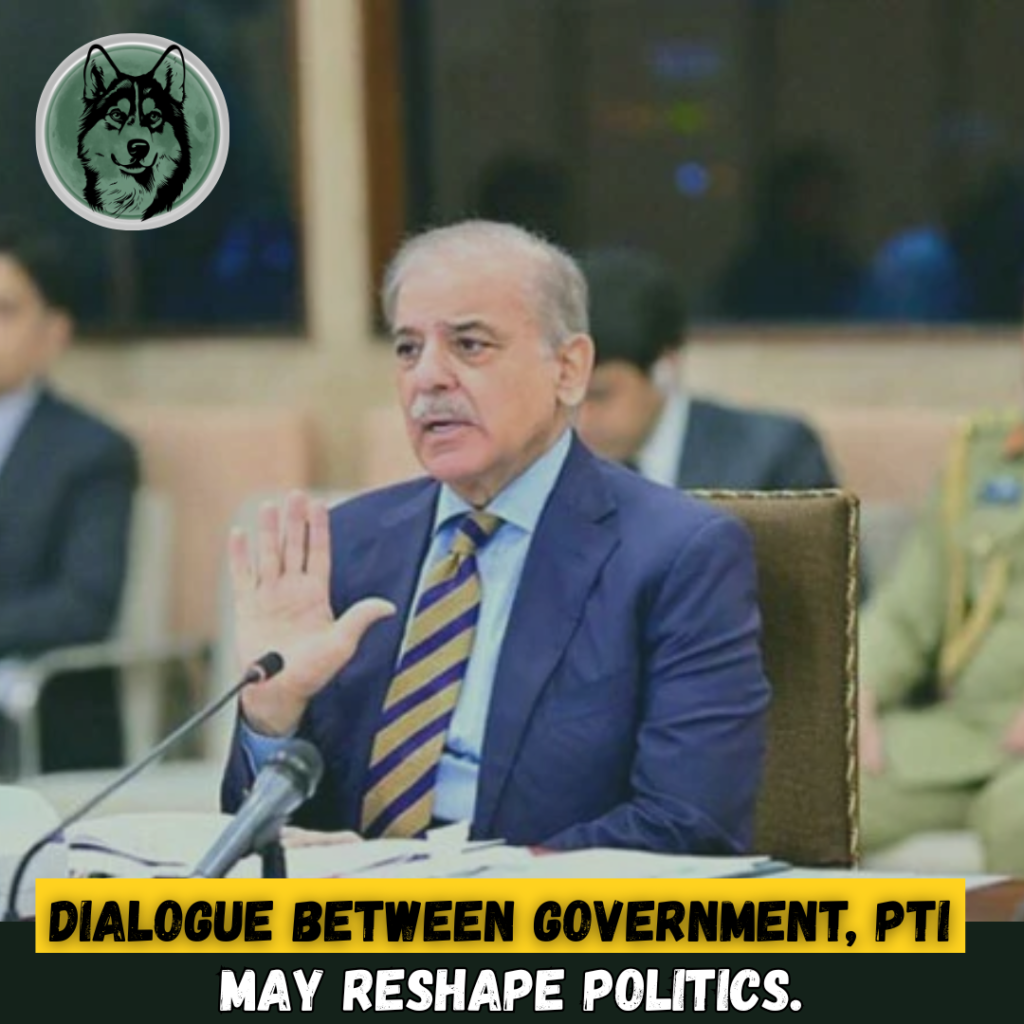
The dialogue aimed at resolving ongoing political disputes is facing skepticism, as entrenched positions and a persistent political deadlock raise doubts about its effectiveness
Analysts remain skeptical, citing entrenched mistrust, political polarization, and the establishment’s hard line on PTI and security issues
For millions of Pakistanis longing for stability and dialogue, the five-stakeholder proposal is a spark of hope—but trust is scarce, and obstacles remain daunting
Uncertainty Grips Pakistan’s Politics
Pakistan’s political scene remains tense. PTI steps up street movement preparations, while the government maintains a firm stance. Mistrust runs deep between the opposition, the establishment, and the ruling party.
Proposal for Five-Stakeholder Dialogue
Senior PML-N minister and Prime Minister’s Adviser on Political Affairs Rana Sanaullah floated a five-stakeholder dialogue proposal. He identified Prime Minister Shehbaz Sharif, PML-N supremo Nawaz Sharif, President Asif Ali Zardari, PTI founder Imran Khan, and, implicitly, the military leadership as stakeholders.
Skepticism from Analysts
Analysts note that identifying stakeholders is easier than persuading them to engage. Former PTI leader Fawad Chaudhry called the plan impossible in the current political climate, citing government and establishment reluctance. Journalist Mazhar Abbas described the proposal as symbolic, stressing that confidence-building measures are necessary before dialogue can succeed.
Preconditions and Challenges
Rana Sanaullah demanded the shutdown of social media accounts allegedly running anti-army campaigns as a precondition. Experts argue confidence-building must be reciprocal, with both sides compromising to break the deadlock.
Leadership Roles
Debate continues over Nawaz Sharif or President Zardari taking active roles. Analysts say real influence lies with the prime minister, Imran Khan, and the establishment. Without alignment among these three, dialogue remains unlikely.
Political Impasse
The establishment maintains a hard line on PTI, Afghanistan, and terrorism issues.
Analysts warn that meaningful dialogue will only occur when stakeholders prioritize engagement over confrontation and take reciprocal steps. Until then, Pakistan remains trapped in political limbo.
Critical Analysis
Impact on Political Dynamics
The dialogue proposal could redefine Pakistan’s politics by opening channels between the government, opposition, and establishment. If implemented, it may reduce street confrontations, increase political accountability, and strengthen democratic institutions.
Challenges and Risks
Entrenched mistrust, preconditions like social media restrictions, and reluctance from key stakeholders make success unlikely. Dialogue may remain symbolic without reciprocal confidence-building measures.
Global and Domestic Implications
International observers monitor Pakistan’s ability to manage internal conflicts peacefully. Failure to initiate dialogue could damage Pakistan’s democratic image and reinforce perceptions of political instability, affecting foreign relations and investor confidence.