



Punjab’s potato farmers face a devastating blow as prices collapse, threatening livelihoods and regional and Potato Market Crisis
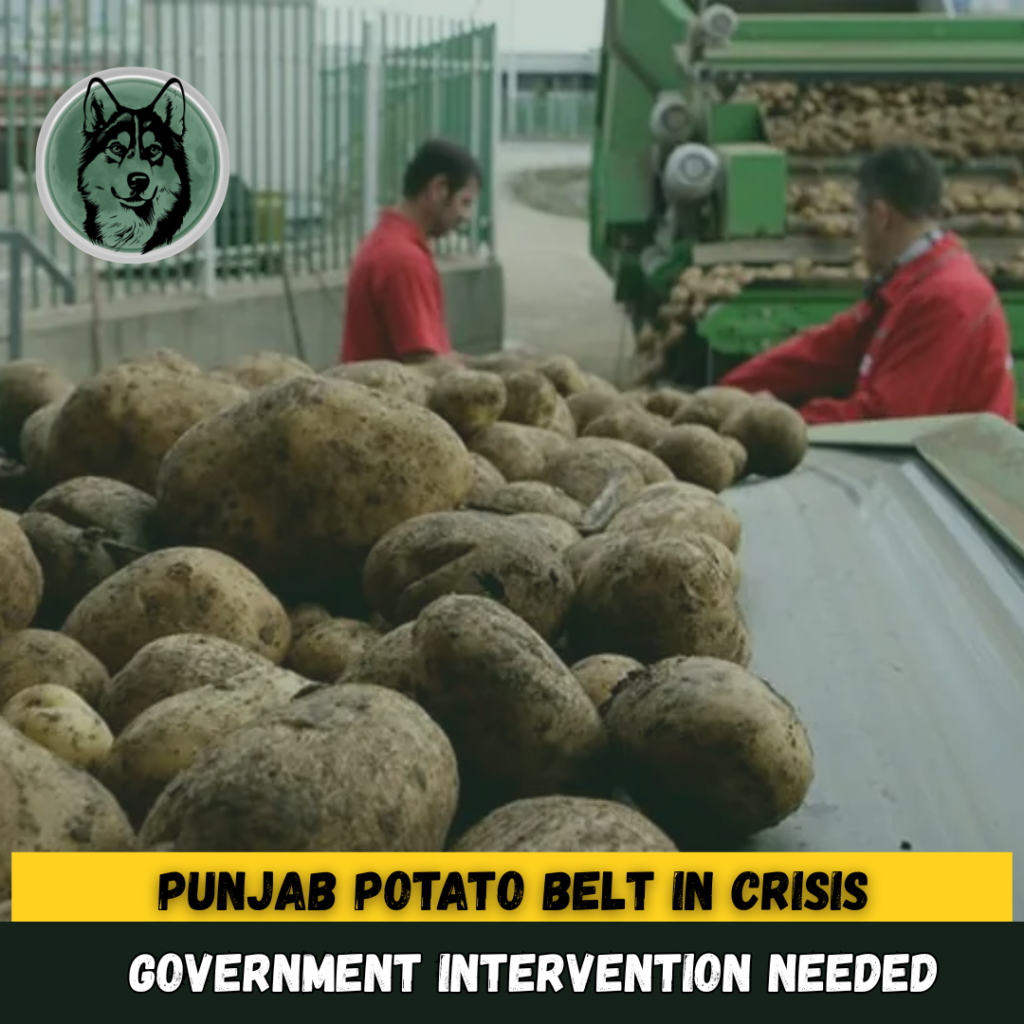
Punjab’s potato-growing belt—including Sahiwal, Okara, Pakpattan, Kasur, Khanewal, and Vehari—is grappling with a market crash due to overproduction, stagnant demand, and reduced exports. Farmers are selling potatoes below production cost, while some are forced to destroy crops to avoid further losses.
Farmer Losses
A 60kg bag of potatoes sells for Rs600–700, while transport costs are Rs400. Input costs per acre range from Rs270,000 to Rs300,000, leaving growers with losses of Rs235,000–250,000 per acre. Wholesale prices in some districts have fallen to Rs20–25 per kg.
Causes of Crisis
- Overproduction: Current crop is nearly double domestic demand of 6.2 million tonnes.
- Export hurdles: Afghan border closure reduces market options; exports without subsidies remain unprofitable.
- High production costs: Punjab’s cultivation cost is over Rs300,000 per acre.
Government Response
Punjab government facilitated exports via Iran to ease pressure. PKI submitted a Charter of Demands, including:
- Government procurement and export support for potatoes
- Subsidies and support prices
- Crop insurance and energy incentives for agriculture
- Establishment of an independent price commission
Critical Analysis
Social Impact:
- Farmers’ livelihoods are at risk, potentially triggering rural distress and migration.
- Rising financial strain may increase household indebtedness and social instability.
Economic Impact:
- Local economy suffers as potato farming contributes significantly to rural employment and trade.
- Overproduction without proper market channels depresses farmgate prices, reduces investment confidence, and may affect Pakistan’s trade balance.
Policy Implications:
- Immediate subsidies and export facilitation are crucial.
- Long-term strategies should include food processing, value addition, better production planning, and diversification of crops.
Conclusion Punjab’s potato crisis highlights the fragility of agricultural markets and urgent need for coordinated government intervention. Timely support can stabilize prices, protect farmers, and secure regional economic resilience.