



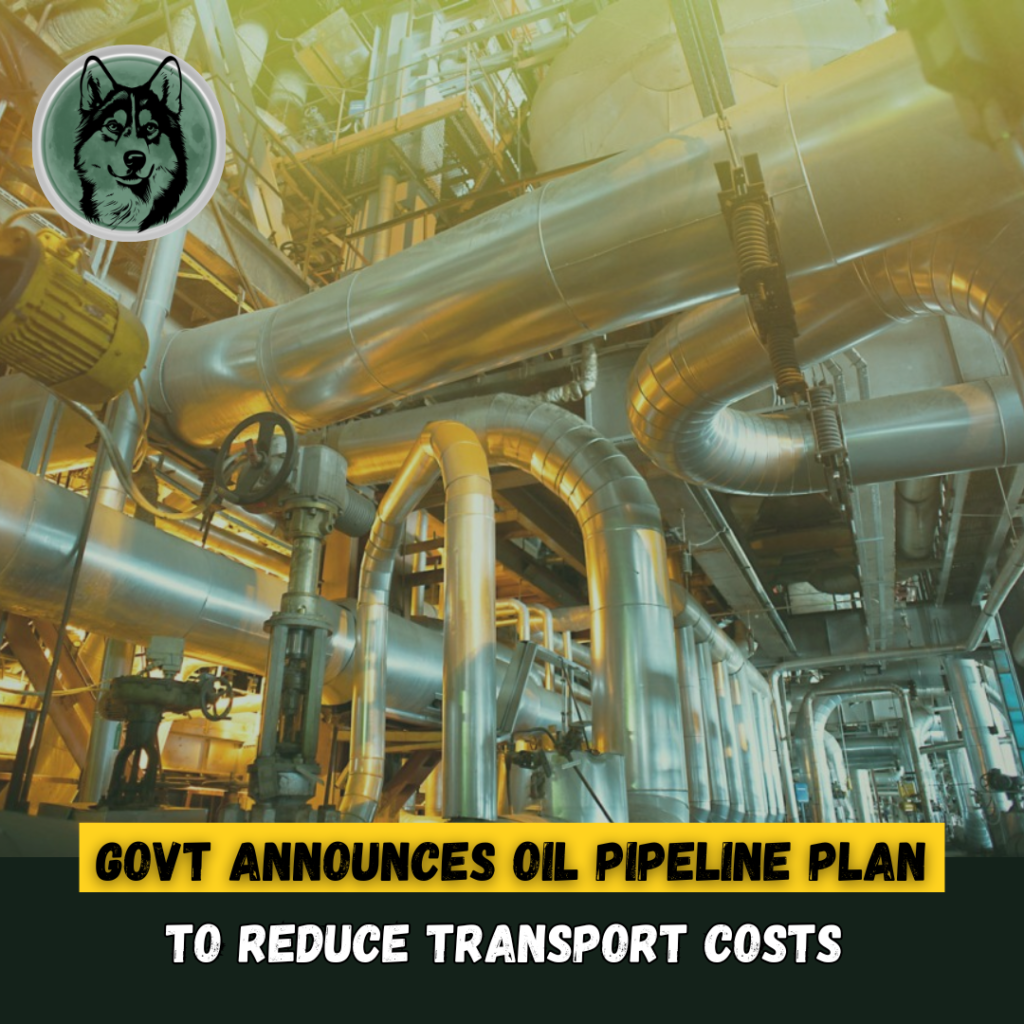
Oil pipeline plan to reduce transport costs aims to overhaul fuel distribution system
Oil Pipeline Plan to Reduce Transport Costs Officially Announced
The oil pipeline plan to reduce transport costs has been officially announced by the federal government as part of a major infrastructure shift in Pakistan’s petroleum sector, aiming to move fuel supply from road-based transportation to a pipeline-driven distribution system. Officials said the oil pipeline plan to reduce transport costs will significantly lower logistics expenses, improve efficiency, and provide long-term relief to consumers.
Fuel Supply to Shift from Transport to Pipelines
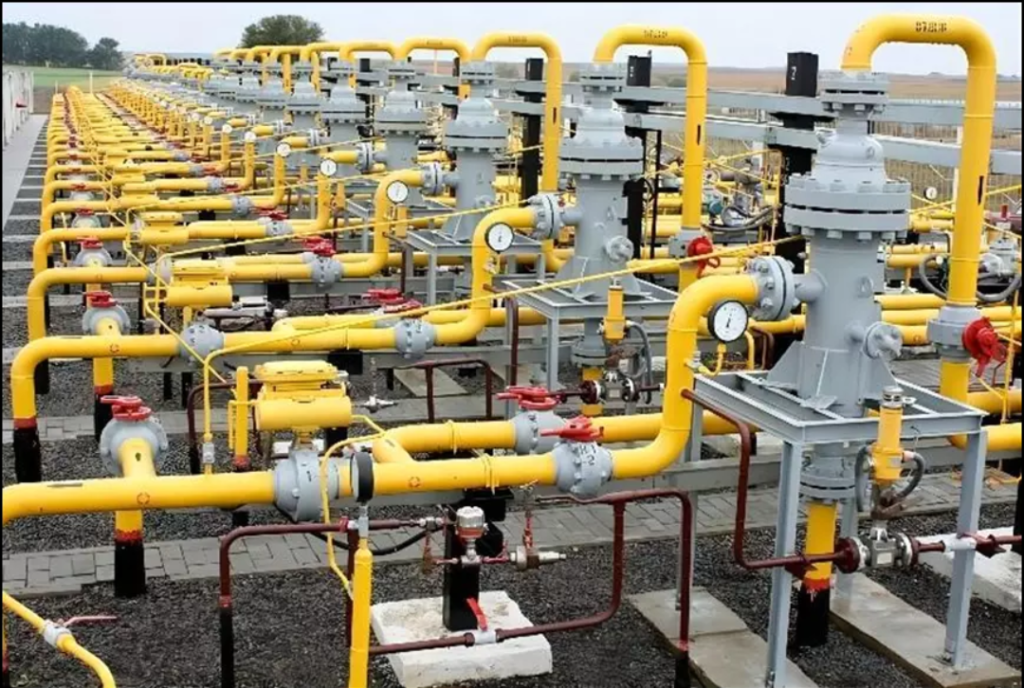
Briefing the media on petroleum sector performance, the petroleum minister stated that the oil pipeline plan to reduce transport costs will gradually replace the existing transport-heavy system. Currently, diesel is supplied entirely through road transport, while petrol relies on transport for nearly 60 percent of its distribution, placing a heavy burden on costs and supply reliability.
First Phase to Connect Faisalabad and Thal
According to the Petroleum Division, the first phase of the oil pipeline plan to reduce transport costs will involve laying a pipeline corridor from Faisalabad to Thal, marking a critical step in restructuring the national fuel supply chain. Officials confirmed that planning for this phase is already underway.
Tracker System Introduced to Curb Illegal Supply
As part of broader reforms linked to the oil pipeline plan to reduce transport costs, a tracker system has been introduced to monitor fuel movement and curb illegal oil supply chains. Authorities say these measures are already contributing to improved transparency in the sector.
Gas Prices Stabilized, Circular Debt Eliminated
The minister noted that ongoing petroleum sector reforms have resulted in stabilization of gas prices, while the circular debt in the gas sector has been reduced to zero, calling it a major achievement in energy sector management.
High-Powered Committee to Resolve Payment Issues
Emphasizing financial discipline, the minister stated that payments must be made for fuel already consumed, whether by the government or end users. A high-powered committee has been formed to resolve payment disputes involving three state-owned companies.
Investment Push and Supply Chain Reforms
The government is also taking steps to attract new investment under the oil pipeline plan to reduce transport costs, with a focus on fixing long-standing issues in the oil supply chain and oil marketing companies. Discussions are ongoing with the finance authorities to resolve payment matters between OMCs and tax bodies.
LPG Policy and Mining Sector Outlook
Officials confirmed that progress on key initiatives is expected within days, while a new LPG policy is being prepared. The minister noted that although the LPG sector is deregulated, prices remain controlled, stressing the need for consistency. He also called for a long-term mining policy, raising questions over delays in major projects such as Reko Diq.