





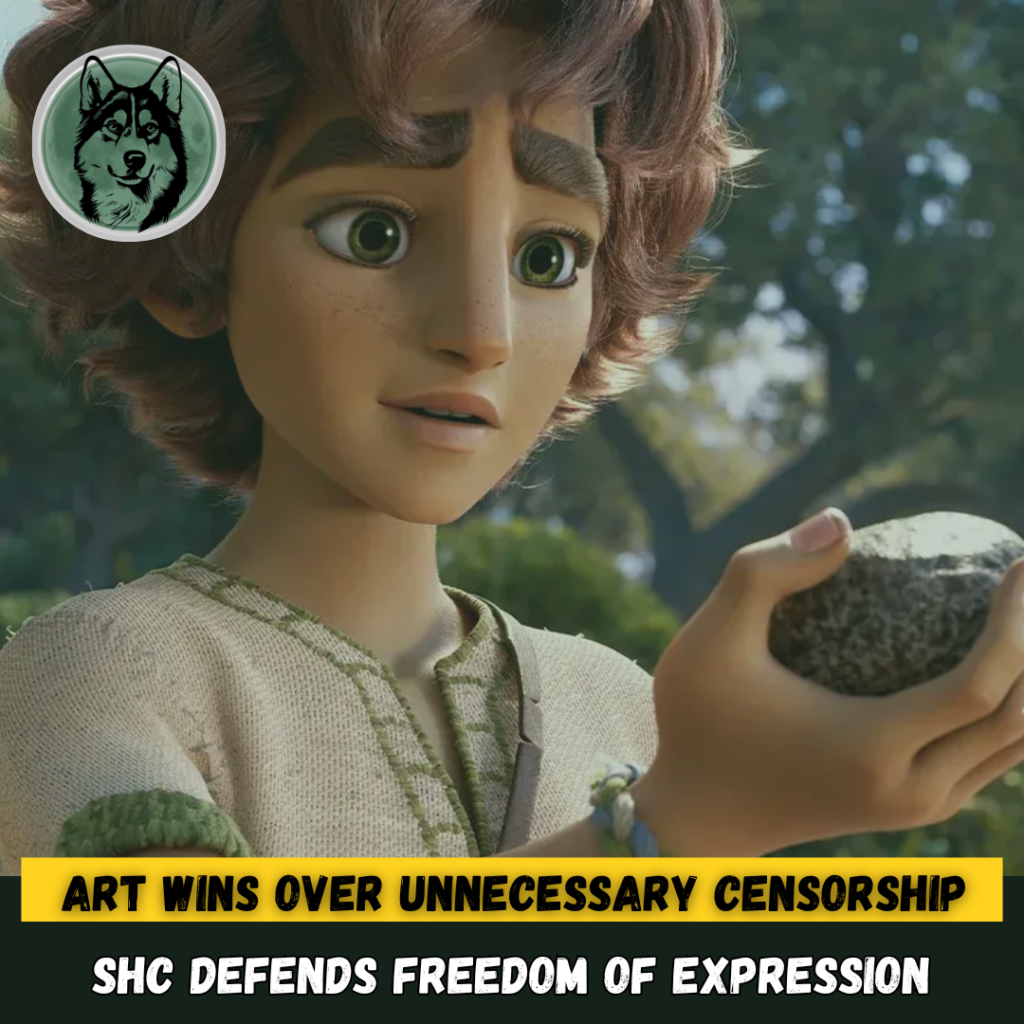
Sindh High Court rejects petition seeking a ban on animated biblical film David (2025), emphasizing freedom of expression and the limits of court interference in moral judgments
The ruling reinforces Pakistan’s commitment to creative freedom and cultural resilience. Citizens are reminded that art and cinema are tools to engage society, provoke thought, and foster dialogue, rather than being feared as a threat to beliefs.
SHC Dismisses Petition to Ban Animated Film David (2025)
Karachi: The Sindh High Court (SHC) on Wednesday dismissed a petition seeking to ban the release of the animated biblical musical film David (2025). The petitioner, Abdul Razzaq, claimed the film hurt the religious sentiments of Muslims.
The plea targeted the federal government, Pakistan Electronic Media Regulatory Authority (PEMRA), the film censor board, and others. A two-judge bench, comprising Justice Adnan-ul-Karim Memon and Justice Yousuf Ali Sayeed, dismissed the petition at the preliminary stage, terming it “misconceived.”
Court Observations
The court noted that the petitioner argued the portrayal of David’s life in the film, based on sacred texts of the three main monotheistic religions, was inconsistent with Islamic teachings. He sought a ban to prevent Muslims’ sentiments from being hurt.
The SHC referred to a similar 2022 petition against the film Jopland, which had also been dismissed. The earlier verdict emphasized that a cinematic work cleared by censors cannot be blocked based solely on an individual’s moral judgment.
Safeguarding Freedom of Expression
The bench highlighted that courts do not have the authority to make moral judgments to restrict artistic expression. Article 19 of the Constitution guarantees freedom of speech and expression, and courts are expected to uphold these rights.
The judgment stated: unnecessary censorship stifles society, creativity, and growth. The court also stressed that Islam is strong enough to withstand portrayals of fictional narratives, including sensitive topics like transgender relationships, without compromising society’s faith.
Critical Analysis: Role of Courts and Society
Judicial Oversight vs. Individual Morality: The SHC reaffirmed that the role of courts is to safeguard constitutional rights, not impose individual moral standards. This prevents misuse of judicial power to censor art.
Impact on Creative Industry: By dismissing the petition, the court protects filmmakers, encouraging artistic exploration. Over-censorship could stifle Pakistan’s growing animation and film industry.
Religious and Cultural Resilience: The ruling sends a strong signal that society and religion are resilient enough to engage with diverse narratives. Attempts to enforce moral policing through legal action are unlikely to succeed.
Checks on Regulatory Bodies: The decision reinforces the authority of PEMRA and the censor board to review content, ensuring due process while maintaining freedom of expression.