



A high-profile court battle over social media posts escalates as activists demand the ISPR chief be summoned. The move raises questions about free speech, accountability, and fairness in Pakistan’s legal system
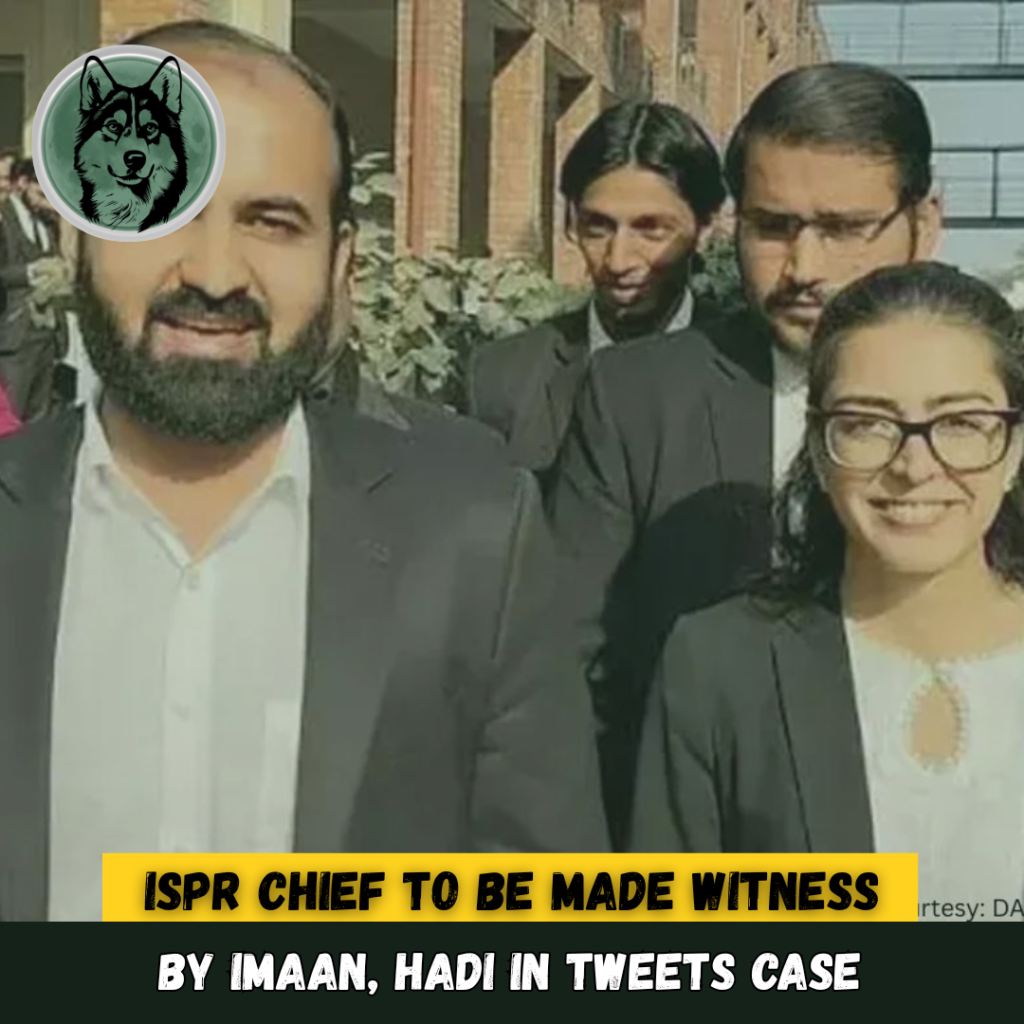
Human rights activists Imaan Zainab Mazari-Hazir and Hadi Ali Chattha seek to summon ISPR chief as witness in a controversial social media case under PECA 2016. The Islamabad court will decide after recording statements and hearing both sides.
Activists Move to Court
Human rights activists Imaan Zainab Mazari-Hazir and Hadi Ali Chattha filed an application in an Islamabad court on Wednesday. They asked the court to summon ISPR Chief Lt Gen Ahmed Sharif Chaudhry as a witness. The case involves tweets and social media posts under the Prevention of Electronic Crimes Act (PECA) 2016.
Allegations in the Case
The activists are accused of:
- Inciting divisions on linguistic grounds
- Creating the impression that armed forces were engaged in terrorism
Claim Against ISPR Chief
The couple claimed that press briefings by the ISPR chief were broadcast nationally and undermined their right to a fair trial. Ms. Mazari-Hazir alleged that the DG ISPR implied she was a foreign agent, influencing public perception and judicial proceedings.
Court Proceedings
The application was submitted to Additional District and Sessions Judge Muhammad Afzal Majoka. The court directed a copy of the application be provided to the prosecution. The judge said a decision will be made after hearing statements of the accused under Section 342 of the Criminal Procedure Code.
During the hearing:
- Prosecution witness Shahroz Riaz was cross-examined
- He admitted details regarding how the inquiry was initiated and social media content collected
The hearing has been adjourned until January 8.
Critical Analysis
Free Speech vs. Security
The case highlights the tension between social media expression and national security laws.
PECA 2016 has been critically debated for its broad interpretation and potential misuse against activists and journalists.
Judicial Impartiality
The request to summon the ISPR chief reflects concerns about state influence on ongoing trials.
Observers argue that public statements by government officials can shape perception and potentially prejudice the judiciary.
Implications
If accepted, the move may set a precedent for summoning senior officials in cases involving social media content. It could strengthen accountability of government institutions but also increase political tension.
Conclusion
The case of Imaan and Hadi represents a clash between digital expression, state authority, and judicial fairness. The upcoming court decision will be closely watched for its impact on freedom of speech, rule of law, and institutional accountability in Pakistan.