

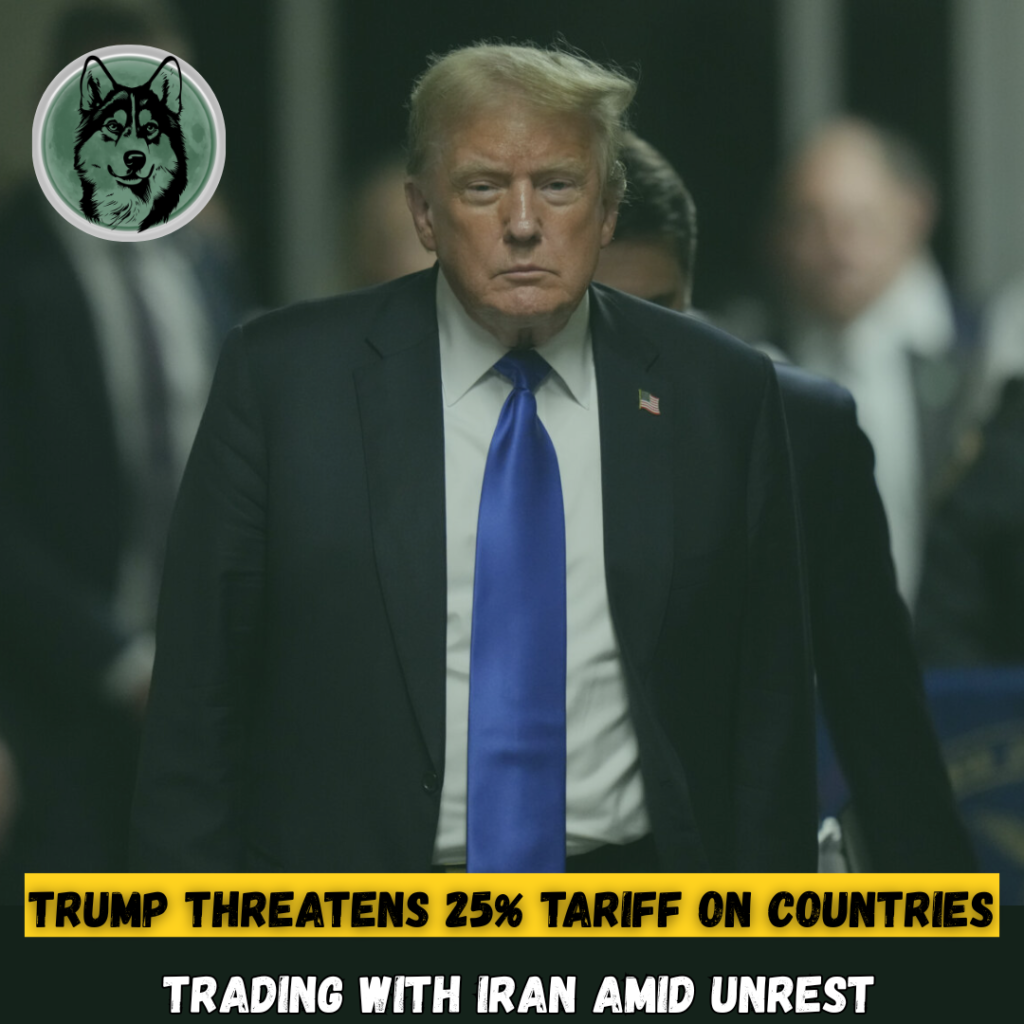
Trump Iran tariff warning escalates global trade pressure as US weighs response to Iran protests
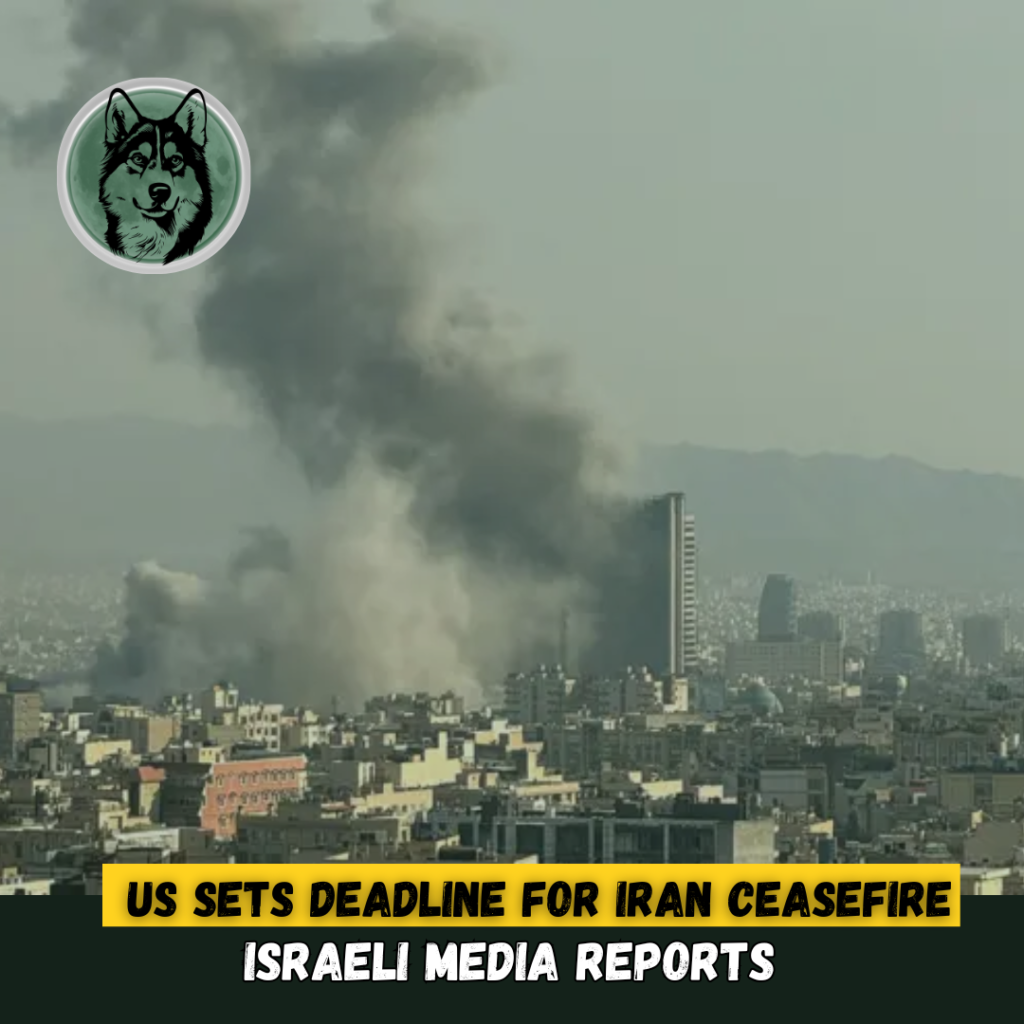
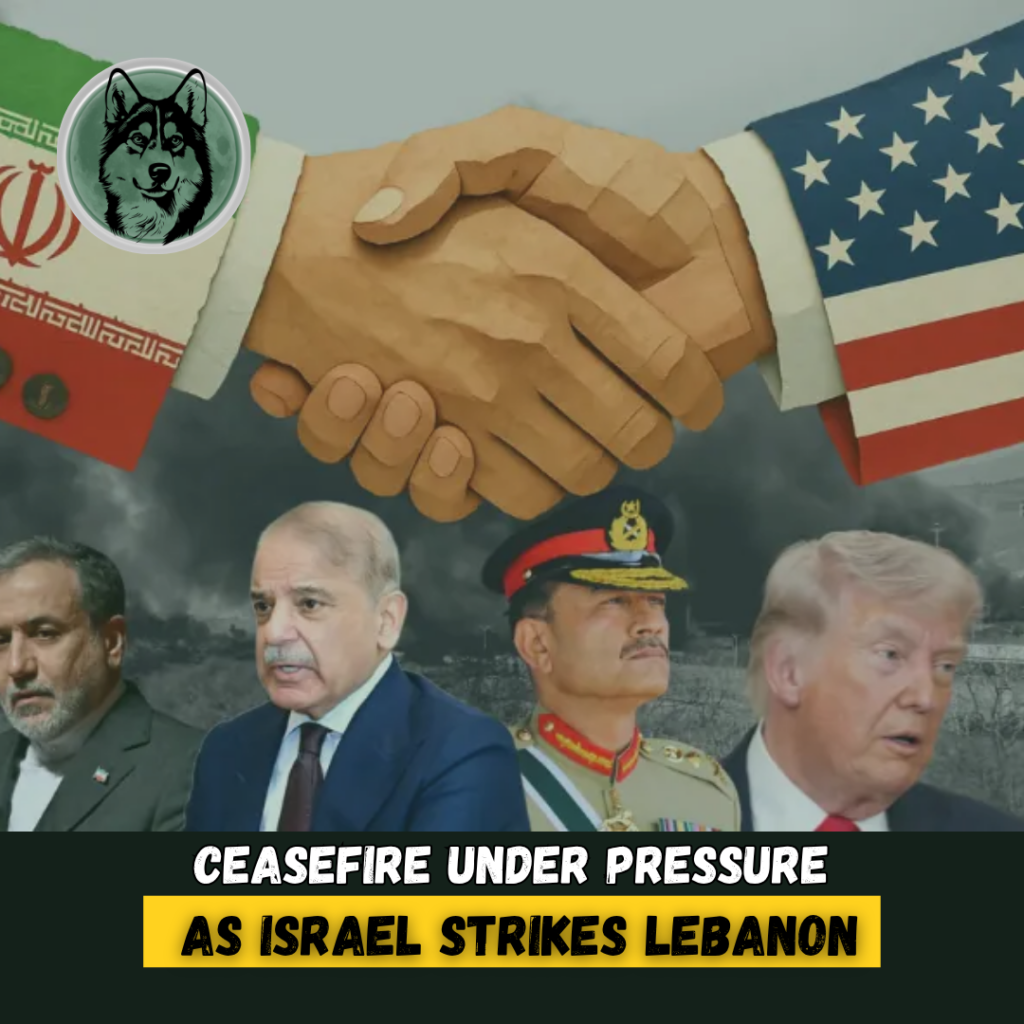
US President Donald Trump has issued a stark warning of a 25% tariff on countries trading with Iran, sharply escalating economic pressure as Iran faces its largest anti-government protests in years. The Trump Iran tariff threat signals a hardline shift in US trade policy, with Washington weighing diplomatic, economic, and strategic responses to the rapidly evolving situation inside Iran.
Trump Issues Final Warning on Iran Trade
In a strongly worded statement, Trump declared that any country conducting business with Iran will face a 25% tariff on all trade with the United States, underscoring what he described as a final and conclusive decision. The announcement immediately intensified uncertainty across global markets and diplomatic circles.
Tariffs, under US law, are paid by American importers purchasing goods from targeted countries. Iran, a key oil-producing nation, has remained under heavy US sanctions for years, exporting most of its oil through select international partners.
Major Trading Partners Under Pressure
Iran continues to trade energy and goods with several countries, including China, India, Turkey, Iraq, and the United Arab Emirates. The Trump Iran tariff policy raises concerns that these trading partners could face sweeping economic penalties if the warning is formally implemented.
Despite the strong language, no official documentation or legal framework outlining the tariff mechanism has yet been released, adding to speculation over the scope and enforceability of the measure.
China Pushes Back Against Tariff Threat
China reacted sharply to Trump’s announcement, criticizing what it described as unilateral pressure tactics and coercive trade policies. Chinese officials reiterated opposition to trade wars, warning that tariff escalation would damage global economic stability and provoke countermeasures.
Iran Protests Deepen Political Crisis
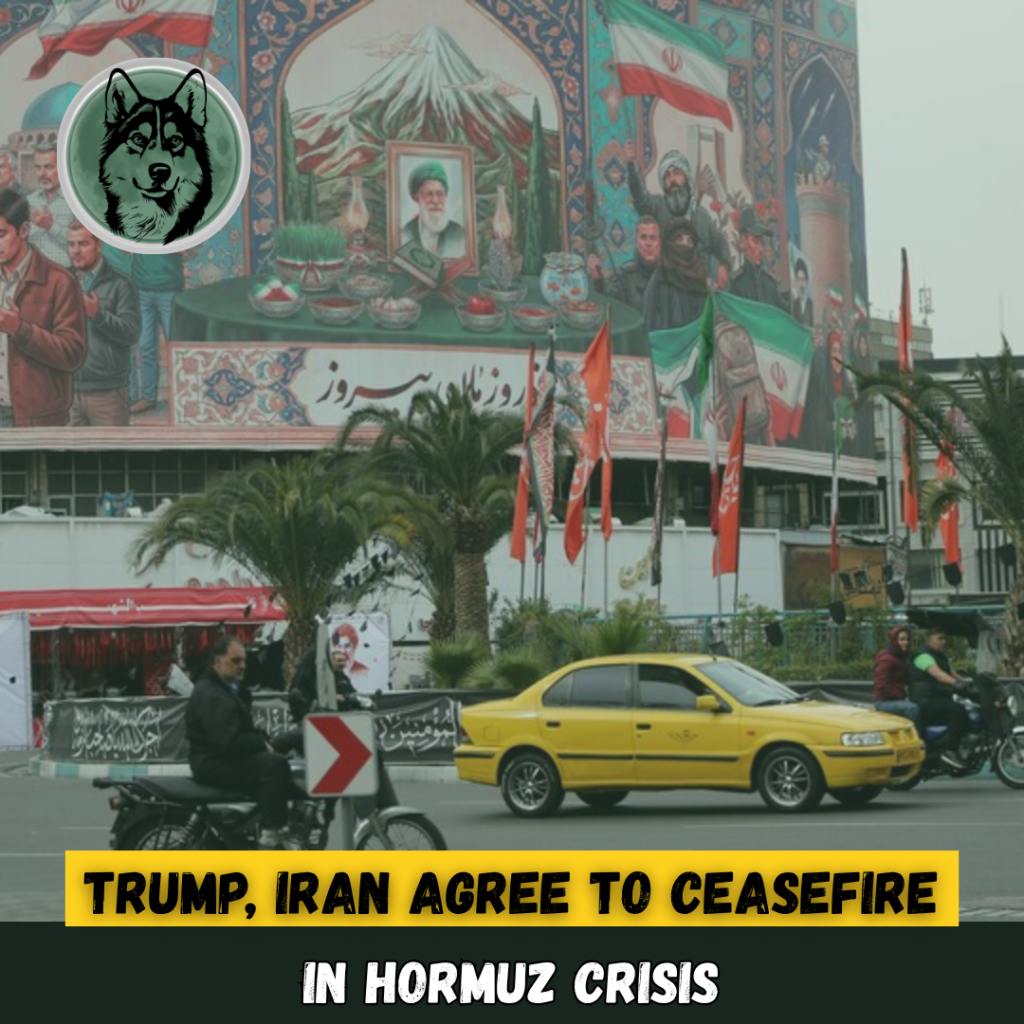
The tariff threat comes amid Iran’s most intense wave of anti-government protests in years, triggered initially by economic hardship but evolving into open calls for the collapse of the ruling clerical system. Demonstrations have spread nationwide, posing a serious challenge to Iran’s leadership.
Independent monitoring groups report hundreds of deaths since protests erupted in late December, highlighting the growing human toll and international concern.
US Keeps Military and Diplomatic Options Open
While Trump has reiterated that diplomacy remains the preferred option, he has also kept military pressure firmly on the table, warning Iran’s leadership of consequences if instability continues. US officials confirmed that communication channels with Tehran remain open even as pressure mounts.
The situation marks one of the most serious political crises in Iran since the 1979 Islamic Revolution, with Washington carefully calibrating its response.
Trump’s Trade Strategy Faces Legal Scrutiny
Trump’s aggressive tariff strategy has increasingly faced legal challenges. The US Supreme Court is currently reviewing the legality of several existing tariffs, raising questions about the long-term durability of his trade actions.
Nevertheless, Trump has repeatedly used tariffs as a core weapon of economic diplomacy, particularly against nations linked to US adversaries.
Global Trade Impact Looms
With Iran trading goods with over 140 international partners, analysts warn that enforcing the Trump Iran tariff threat could reshape global trade flows, escalate geopolitical tensions, and further strain relations between major world economies.