


Visa Dispute Sparks Diplomatic and Cricketing Tensions
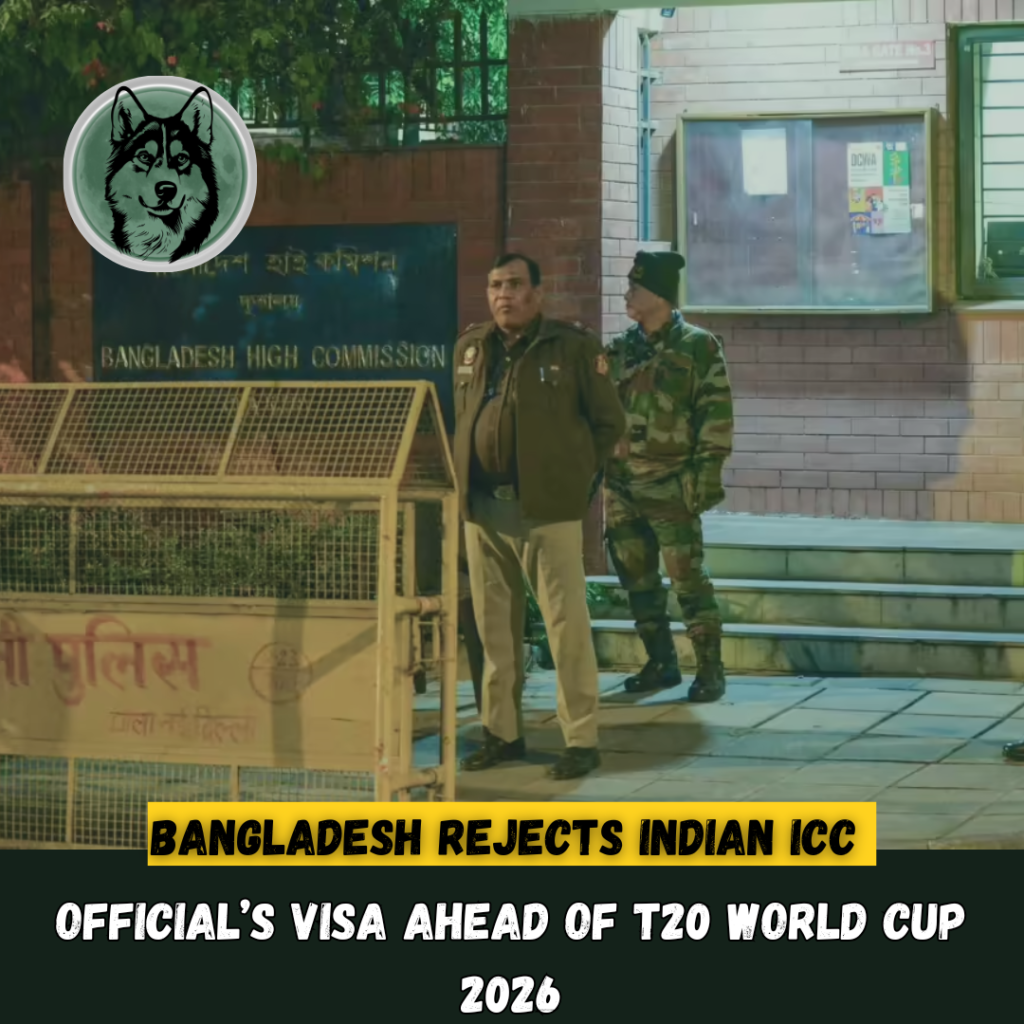
Preparations for the ICC Men’s T20 World Cup 2026 have been thrown into uncertainty after Bangladesh denied a visa to an Indian International Cricket Council (ICC) official, allowing only one member of the ICC delegation to enter the country. The move has intensified diplomatic tensions and raised serious questions about Bangladesh’s participation in the tournament scheduled to begin on February 7.
The ICC delegation, originally planned as a two-member team, was reduced after the Indian national failed to secure a visa in time. Consequently, only Andrew Ephgrave, the ICC’s Head of Anti-Corruption and Security, arrived in Dhaka on January 17 to continue negotiations.
Last-Minute Talks to Avert a Tournament Crisis
The visit is being widely seen as a final attempt by the ICC to resolve a rapidly escalating dispute with the Bangladesh Cricket Board (BCB). With less than three weeks remaining before the tournament’s opening match, time is running out to finalize venues and security arrangements.
Any delay in reaching an agreement could seriously disrupt tournament logistics and undermine confidence in the World Cup’s organization.
Bangladesh Raises Security and Political Concerns
At the center of the standoff is Bangladesh’s demand to relocate its group-stage matches from India to Sri Lanka. Bangladeshi authorities and the BCB have cited political tensions and concerns over the safety of players and officials as key reasons for seeking the change.
Relations have further deteriorated following Bangladesh’s decision to boycott playing in India after the removal of star pacer Mustafizur Rahman from the Indian Premier League, a development that added strain to already fragile cricketing ties.
Ephgrave Carries Negotiations Alone
With the Indian ICC official unable to travel, responsibility for negotiations now rests entirely on Ephgrave, a former British police officer with extensive international security experience.
According to Bangladeshi media reports, Ephgrave is expected to present a detailed and comprehensive security framework aimed at assuring Bangladesh that its players, staff, and officials would receive full protection if matches are held in India.
Visa Refusal Reflects Broader Diplomatic Strain
The visa denial has been interpreted by observers as a reflection of the broader political climate between India and Bangladesh. While the ICC has not officially commented on the visa issue, it is understood to have caused concern within the organization.
Bangladesh issued a visa solely to the head of anti-corruption and security, leaving the Indian ICC official unable to participate in critical discussions.
World Cup Schedule Under Threat
Ephgrave is scheduled to meet senior Bangladesh cricket officials to discuss venue allocations and security arrangements for India-based matches. Analysts warn that failure to reach a compromise could put the World Cup schedule at serious risk before the tournament even begins.
Cricket observers say the fate of the 2026 T20 World Cup now hinges on whether the ICC can persuade Bangladesh to adhere to the original hosting plan.
Pressure Mounts as Deadline Approaches
As negotiations continue against a backdrop of diplomatic tension, pressure is mounting on both the ICC and Bangladesh to find a swift resolution. A breakdown in talks could jeopardize not only Bangladesh’s participation but also the smooth organization of one of cricket’s most anticipated global events.
With the countdown underway, the coming days are expected to be decisive for the future of the T20 World Cup 2026.