


European allies push back against US military operations as Middle East conflict escalates
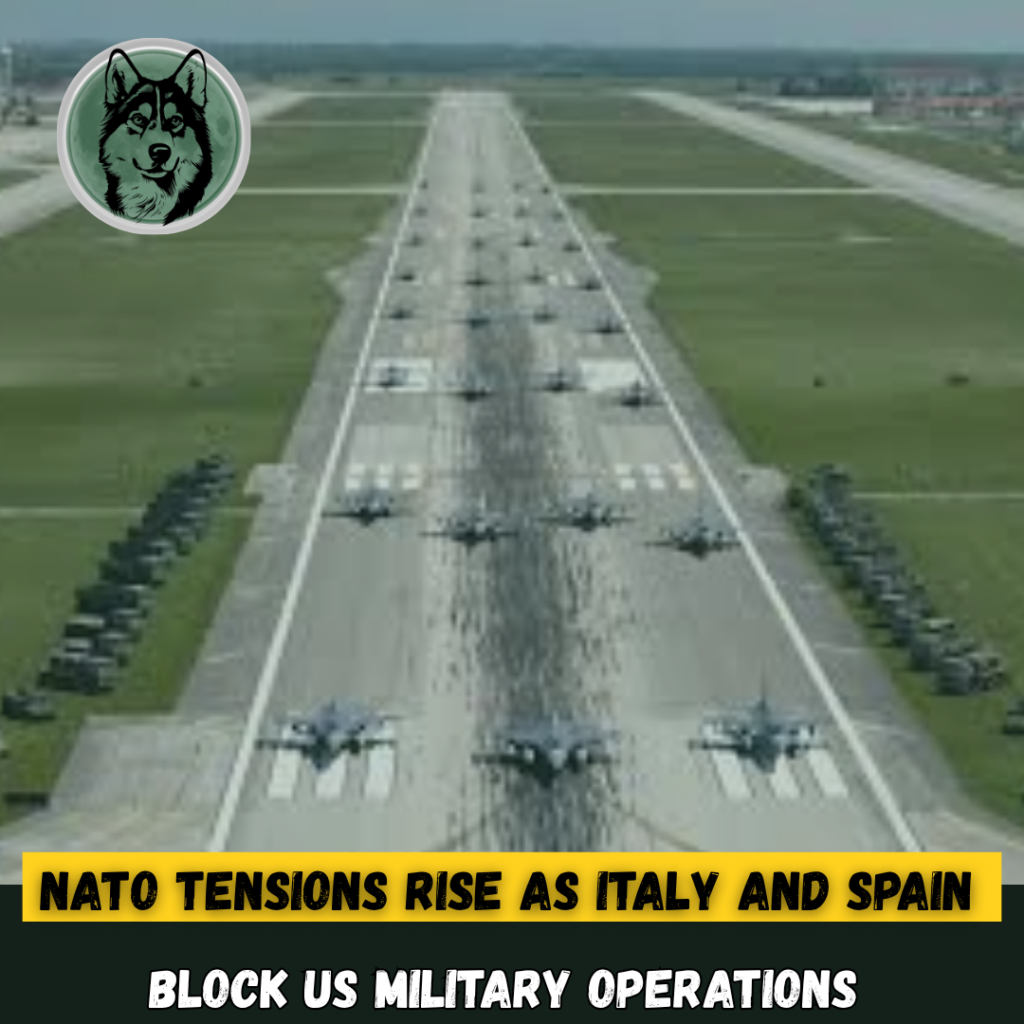
European allies are signaling growing discomfort with Washington’s military strategy in the escalating Iran conflict, as Italy and Spain move to restrict US military operations from their territories.
Italy reportedly denied US aircraft permission to land at the Naval Air Station Sigonella after a flight plan involving American bombers was submitted without prior coordination. According to reports, the aircraft were already en route when the request surfaced, prompting Italian authorities to reject access.
Meanwhile, Spain took an even firmer stance. Defence Minister Margarita Robles confirmed that Madrid would not permit US forces to use bases such as Morón Air Base and Naval Station Rota for operations linked to the Iran war.
Tanker Attack Sparks Oil Market Shock
The geopolitical crisis intensified after Iran targeted a Kuwait-flagged oil tanker, the Al-Salmi oil tanker, near Dubai.
The vessel, carrying nearly 2 million barrels of crude oil, was set ablaze in a drone strike. While authorities managed to control the fire and reported no casualties, the incident triggered a spike in global oil prices, highlighting the vulnerability of energy supply routes.
The attack comes amid rising tensions around the Strait of Hormuz—a critical artery for global oil shipments. Iran has repeatedly threatened to restrict access to the passage, escalating fears of a prolonged energy crisis.
Missile Defences Under Pressure
Reports from Haaretz indicate that Iranian missile effectiveness has surged, with interception systems under strain.
According to estimates from the Royal United Services Institute, Israel has already deployed a significant portion of its advanced missile defence arsenal, including Arrow and David’s Sling systems. US-operated THAAD missile system batteries in the Gulf are also reportedly seeing high usage rates.
Trump Pushes for Deal Amid Escalation
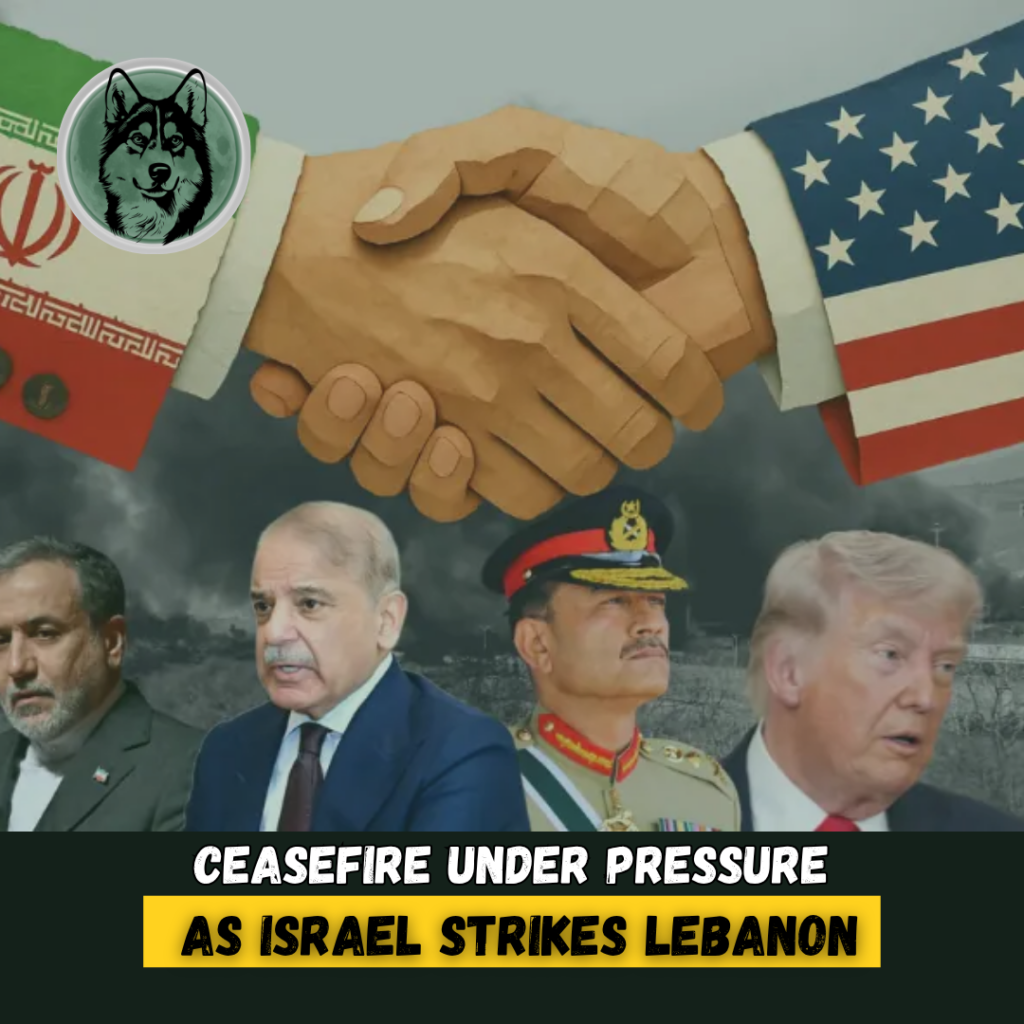
US President Donald Trump is reportedly seeking a rapid resolution to the conflict, aiming to meet strategic objectives without triggering a prolonged war.
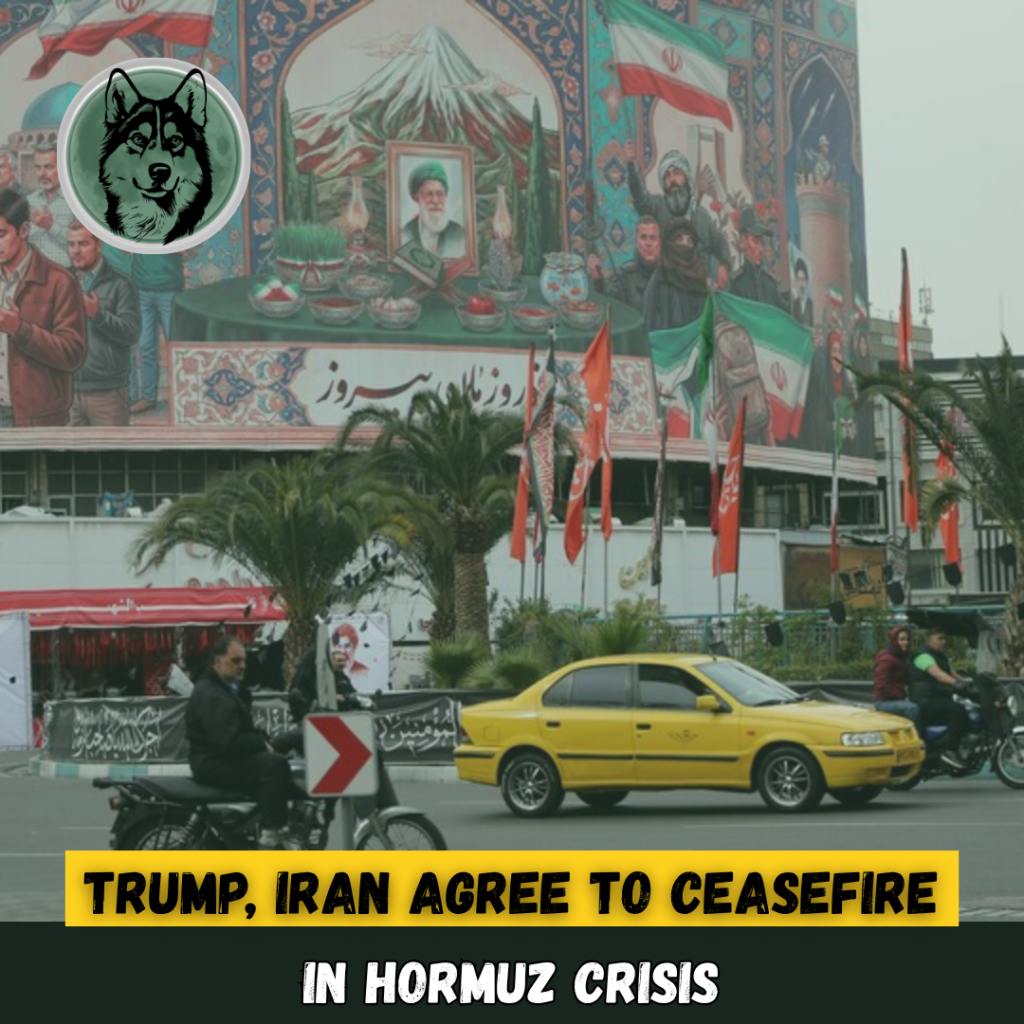
While warning Iran of severe consequences—including potential strikes on energy infrastructure—Trump has simultaneously expressed willingness to reach a diplomatic agreement before an April deadline.
US Secretary of State Marco Rubio reiterated that Washington prefers diplomacy but cautioned Tehran over its actions in the Strait of Hormuz.
Conflict Expands Across the Region
The war, which began after US and Israeli strikes on Iran in late February, is rapidly widening:
- Iran-backed Houthi forces have launched attacks on Israel
- Missile activity has reached Turkish airspace, triggering NATO responses
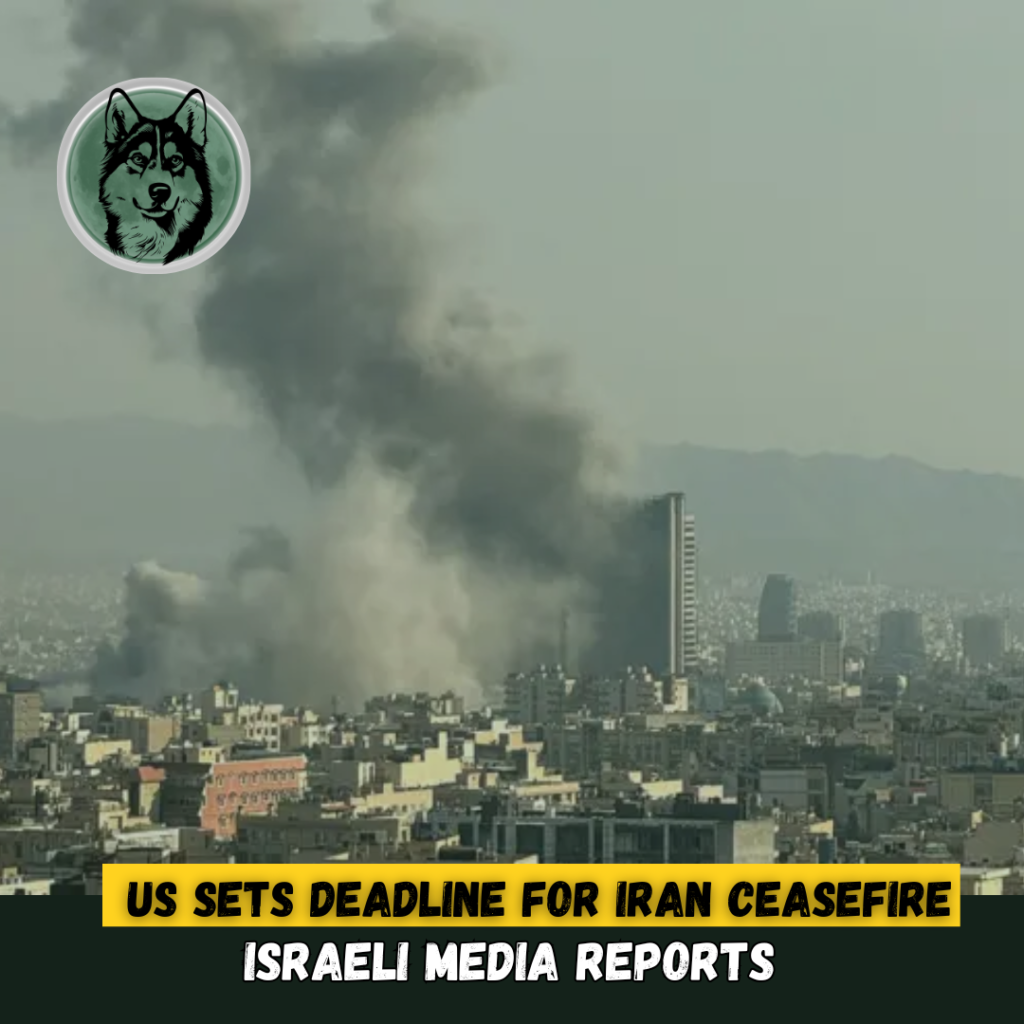
- Israeli strikes have hit targets in Tehran and Beirut
- UN peacekeepers have been killed in southern Lebanon
Additionally, thousands of troops from the US Army’s 82nd Airborne Division have been deployed to the Middle East, raising concerns about possible ground operations.
Economic and Political Fallout
The conflict is already impacting global markets and domestic politics in the United States. Fuel prices have surged, with gasoline crossing $4 per gallon—adding pressure on the administration ahead of upcoming elections.
Washington is also facing internal resistance over a proposed $200 billion war funding package, as lawmakers debate the long-term implications of deeper involvement.