


Strait of Hormuz crisis deepens amid strikes, threats, and fragile diplomacy
UAE Pushes for Coalition to Reopen Strait of Hormuz
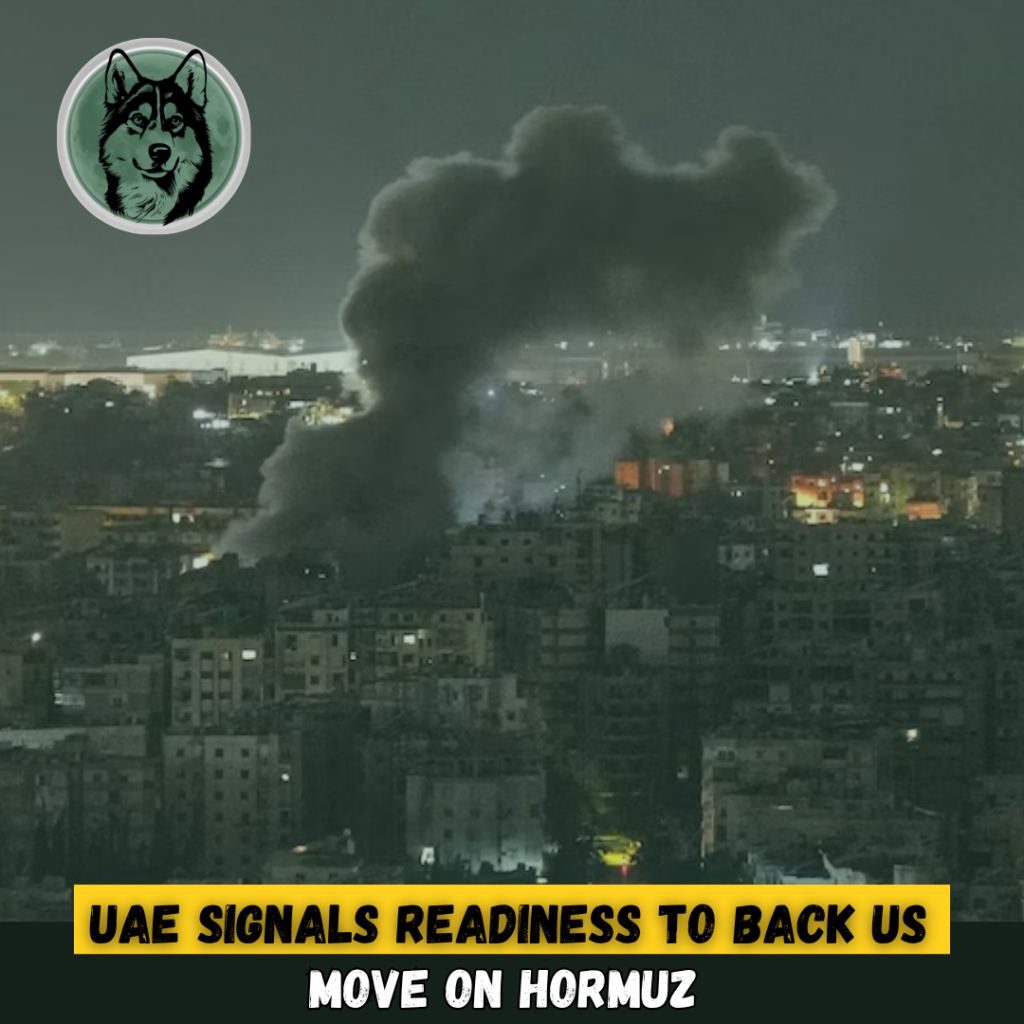
The United Arab Emirates (UAE) is reportedly preparing to support US-led efforts to reopen the strategically vital Strait of Hormuz, potentially through military means, according to a report by The Wall Street Journal.
Citing regional officials, the report states that the UAE is lobbying for a UN Security Council resolution to authorize action aimed at restoring navigation through the critical waterway. The Gulf nation is also urging Western and Asian allies to form a coalition capable of securing maritime routes disrupted by ongoing hostilities.
Officials indicate that Abu Dhabi is reviewing possible roles, including mine-clearing operations, signaling a potential shift toward direct military involvement in the conflict.
The UAE Foreign Ministry emphasized that there is broad international consensus on maintaining freedom of navigation through the Strait, a corridor responsible for nearly 20% of global oil and LNG shipments.
Strikes Intensify Across Iran’s Industrial and Strategic Sites
Amid rising tensions, US-Israeli joint strikes have targeted key industrial facilities in Iran, including major steel complexes in Isfahan and southwestern regions.
Iranian media reported extensive damage to production units at the Mobarakeh Steel Company, one of the country’s largest industrial hubs, as well as its subsidiary in Chaharmahal and Bakhtiari province.
Steel production plays a crucial role in Iran’s military manufacturing capabilities, including missile and drone development, making such facilities high-value targets.
Trump Renews Threat to Exit NATO
In a separate development, US President Donald Trump has escalated rhetoric against the NATO alliance, suggesting that Washington could withdraw from the bloc.
Speaking to The Telegraph, Trump described NATO as a “one-way street,” criticizing member states for refusing to support US operations, particularly in the Strait of Hormuz.
He reiterated that allied support should be “automatic,” drawing comparisons with US involvement in Ukraine and expressing frustration over what he perceives as a lack of reciprocity.
Rubio: ‘Finish Line’ in Sight for Iran Conflict
US Secretary of State Marco Rubio indicated that Washington sees a potential end to the ongoing conflict with Iran, now entering its fifth week.
“We can see the finish line. It’s not today, it’s not tomorrow, but it is coming,” Rubio said in an interview.
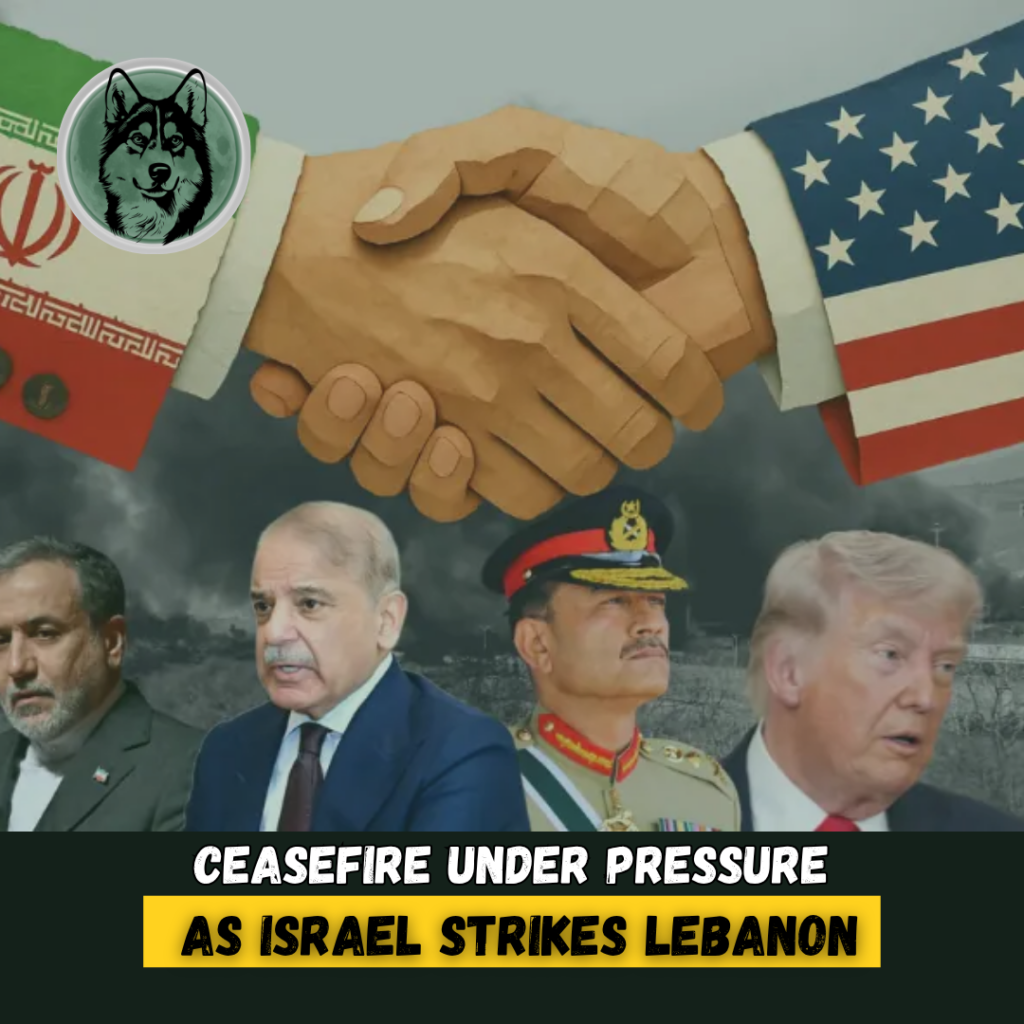
Despite ongoing military operations, Rubio confirmed that indirect communications between Washington and Tehran are underway, raising the possibility of future direct talks.
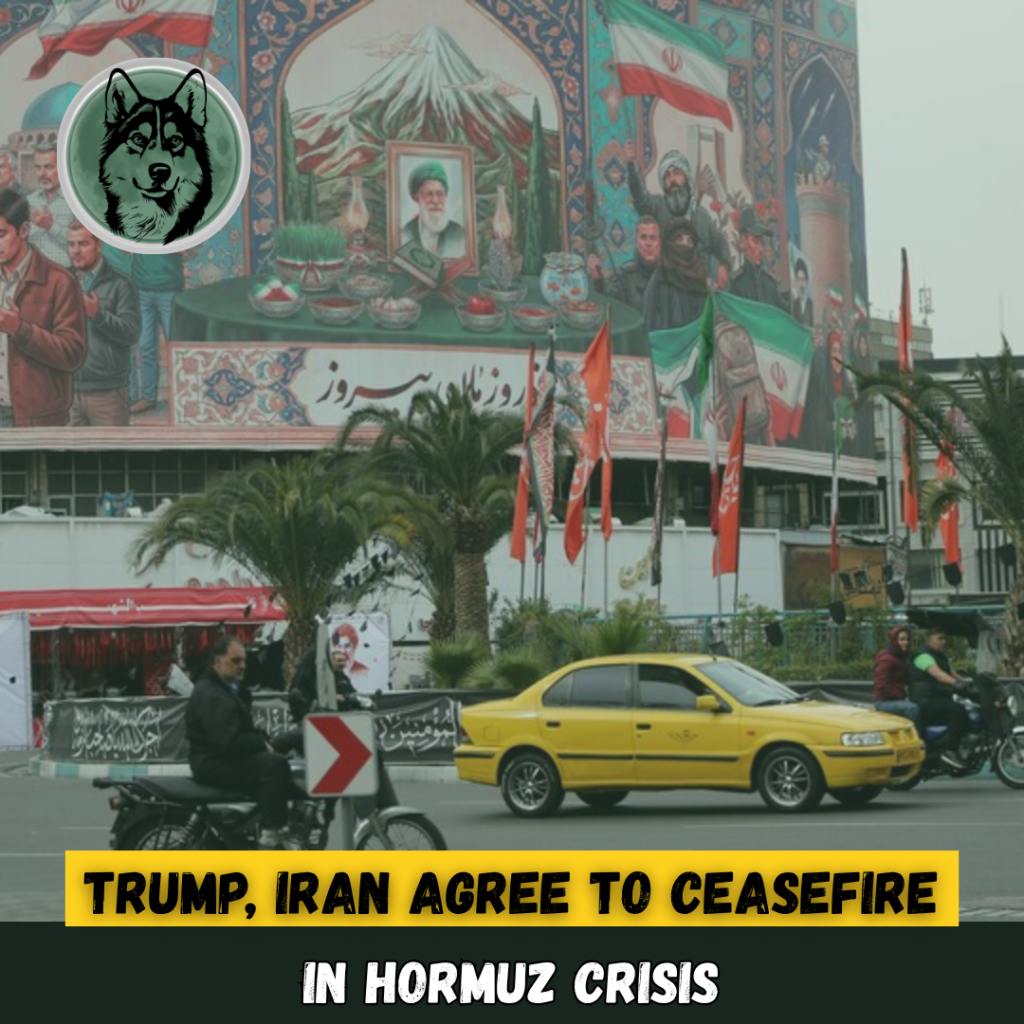
President Trump also suggested that US military involvement could wind down within two to three weeks, even without a formal agreement.
Iran Maintains Defensive Stance
Iran has reiterated that it remains focused on defending its sovereignty, rejecting US claims about its nuclear ambitions.
Foreign Ministry spokesperson Esmaeil Baqaei described the conflict as an “illegal and aggressive war”, asserting that Tehran did not initiate hostilities.
He confirmed that Iran has received messages through intermediaries but stressed that these do not constitute formal negotiations.
Regional Fallout: Attacks, Fires, and Maritime Threats
The conflict continues to spill across the region:
- Missile and drone attacks have targeted sites in Israel and Gulf countries
- A tanker near Doha was struck, sustaining hull damage
- Fires were reported at facilities in Kuwait and Bahrain
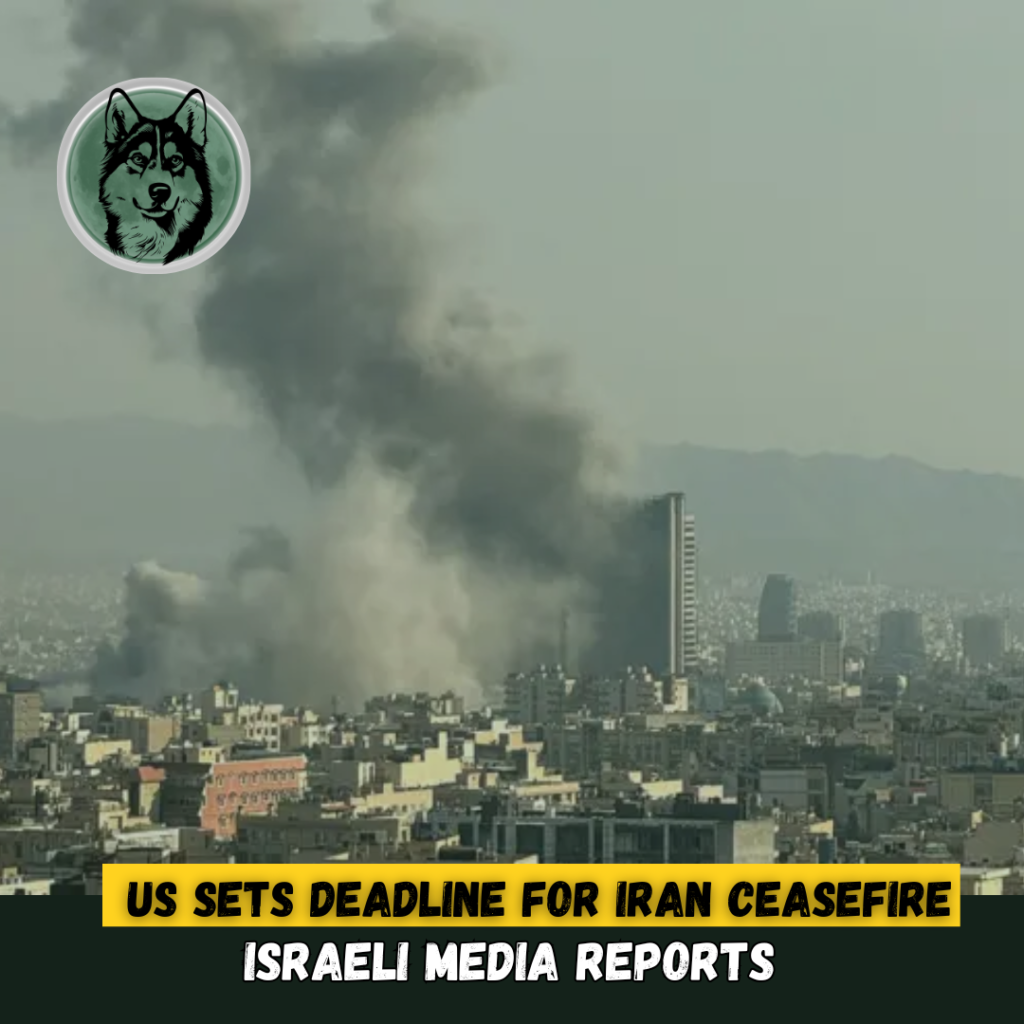
- Explosions echoed across Tehran, with air defenses activated
Meanwhile, Iran’s Revolutionary Guards have issued warnings targeting major US-linked corporations, escalating concerns over economic warfare.
Global Markets React to War Developments
Despite escalating violence, financial markets showed signs of optimism, driven by hopes of de-escalation:
- Asian markets surged, with Japan’s Nikkei jumping sharply
- US stocks rallied, with the S&P 500 gaining nearly 3%
- Oil prices remained volatile amid uncertainty over supply routes
However, rising fuel costs are beginning to impact household finances, particularly in the United States, adding political pressure ahead of upcoming elections.
Humanitarian and Strategic Impact Widens
The war has resulted in:
- Thousands of casualties across Iran, Israel, and Lebanon
- Mass displacement of civilians
- Disruptions in global energy supply chains
Additionally, over 1,200 Iranian nationals have reportedly returned home from the UAE via indirect routes due to airspace closures.
Outlook: Diplomacy or Escalation?
While Washington signals readiness to scale down operations, conflicting statements and continued strikes suggest that the situation remains highly volatile. The potential militarization of the Strait of Hormuz could mark a turning point in the conflict, with far-reaching implications for global trade, energy security, and international alliances.