



Relief measures target low-income groups amid rising energy costs
Coordinated Provincial Action to Ease Public Burden
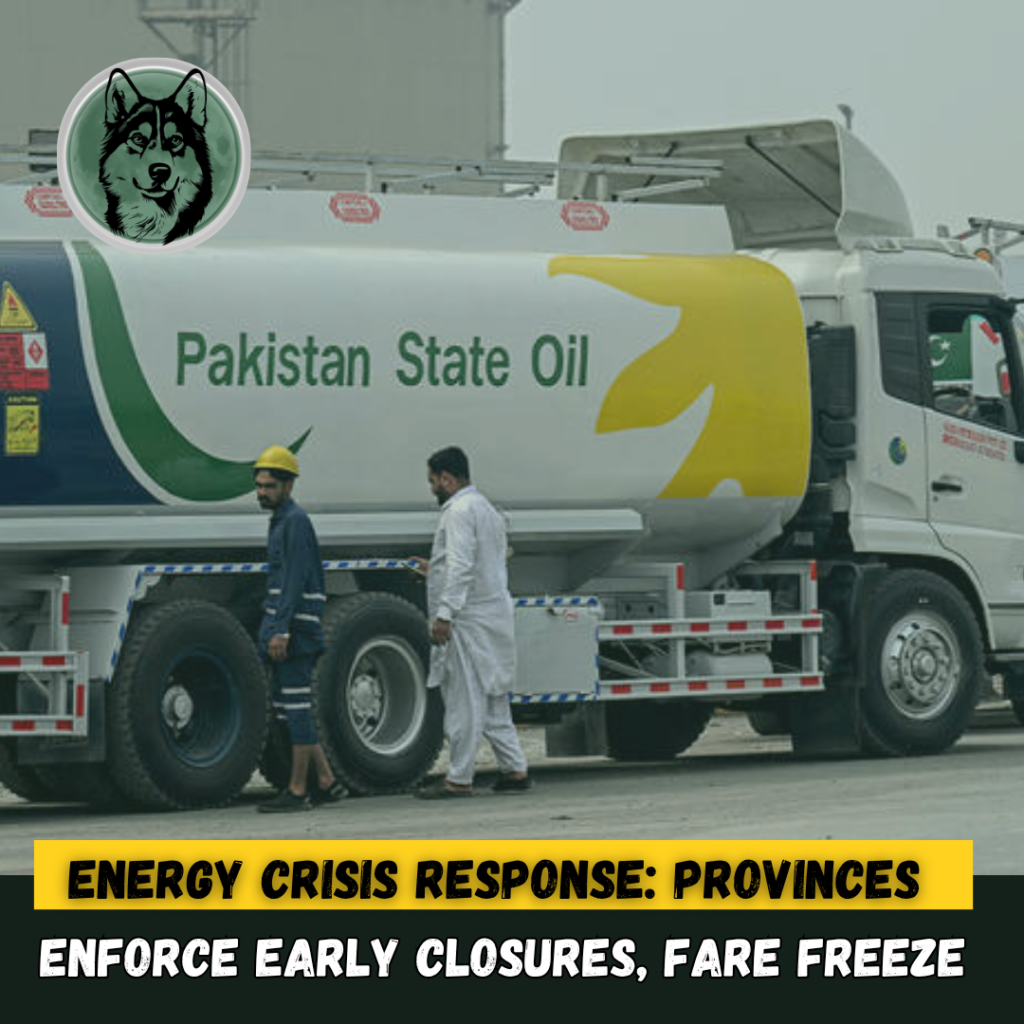
In response to the ongoing global energy crisis linked to escalating tensions in the Middle East, provincial governments across Pakistan have implemented coordinated measures to reduce the financial burden on citizens.
The governments of Balochistan and Khyber Pakhtunkhwa have enforced strict energy conservation policies, while Sindh has introduced financial relief by freezing transport fares.
Early Market Closures in Balochistan
Authorities in Balochistan have ordered all markets and shopping centres to close by 8:00pm, with selected essential services—including pharmacies, bakeries, and hotels—allowed to operate until 10:00pm.
The directive, issued under the supervision of Hamza Shafqaat, mandates strict enforcement by district administrations and law enforcement agencies. Officials have warned that violations will result in legal action.
K-P Implements Similar Restrictions
The Khyber Pakhtunkhwa government has introduced comparable measures, requiring markets in major divisional headquarters to close by 9:00pm and in other districts by 8:00pm.
Restaurants, wedding halls, and cafes must shut down by 10:00pm, although takeaway and delivery services remain permitted.
Essential sectors—including agriculture, construction, healthcare services, and fuel stations are exempt from these restrictions.
Additionally, authorities have imposed limits on non-essential electricity usage, banning decorative lighting, billboards, and excessive use of air-conditioning and escalators beyond operating hours.
Sindh Freezes Transport Fares
In Karachi, Sindh Chief Minister Murad Ali Shah announced a relief package aimed at shielding commuters from rising transport costs.
Following consultations with transporters, the provincial government has frozen fares for public transport and school vans. To support operators, the government will provide targeted subsidies.
Officials estimate that Sindh will allocate approximately Rs14 billion to sustain transport services while protecting passengers from fare hikes.
National-Level Coordination
These measures follow deliberations at the National Steering Committee on Fuel Subsidy, chaired by Deputy Prime Minister Ishaq Dar.
Authorities stated that the coordinated approach is designed to cushion the impact of rising global fuel prices, particularly on lower-income segments of society.
???? IMPACT & OUTLOOK The combined provincial actions signal a unified national strategy to manage the economic fallout of global energy volatility. While conservation measures may affect business hours and daily routines, they aim to stabilize costs and ensure essential services remain accessible.