


Explosions in Tehran and regional strikes signal widening conflict
UN Security Council to Decide on Hormuz Crisis
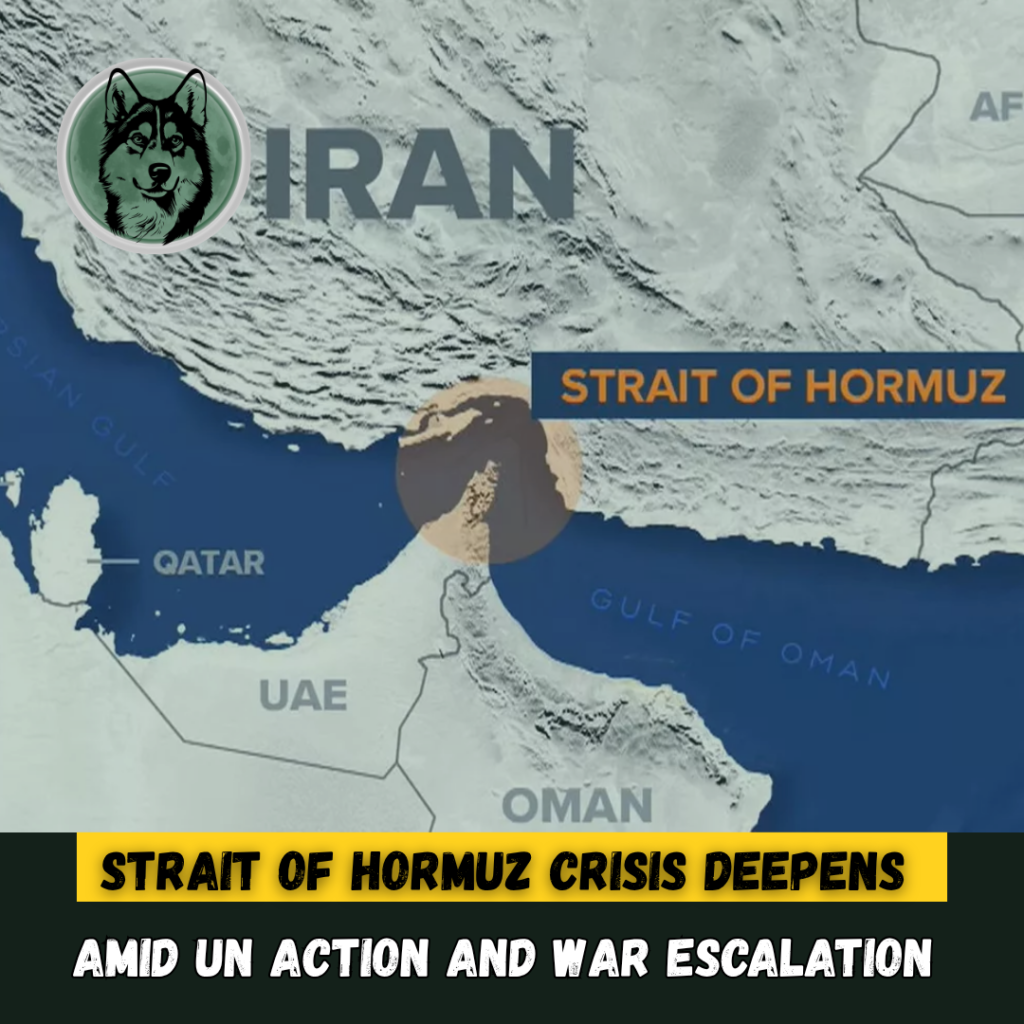
The United Nations Security Council is set to vote on a critical resolution addressing escalating tensions in the Strait of Hormuz, where Iran has been accused of disrupting global shipping routes.
According to diplomatic sources, the draft resolution calls on Iran to halt attacks on commercial vessels and ensure freedom of navigation through the vital energy corridor. However, disagreements among veto-wielding members have led to a softened version of the text, with no explicit authorization for military force.
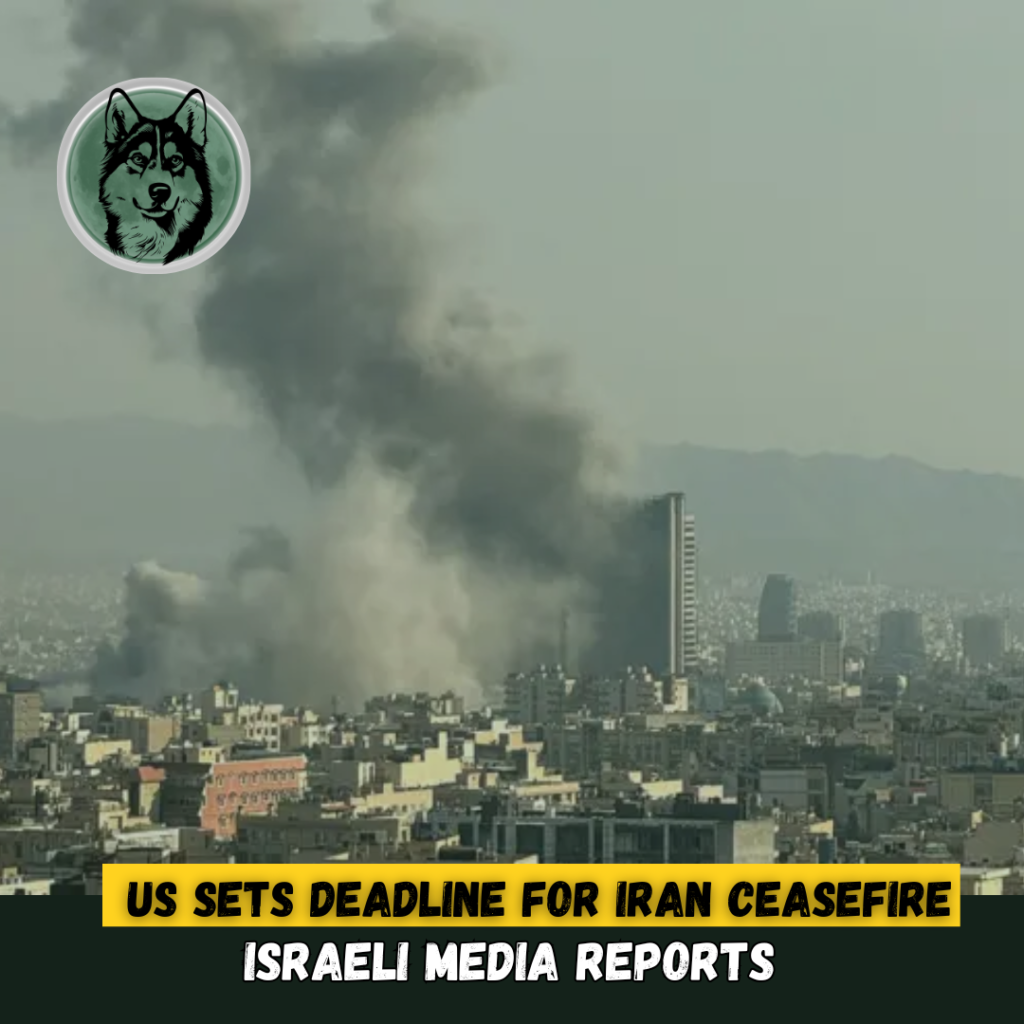
Explosions Rock Tehran Amid Airstrikes
Tensions escalated further as explosions were reported in Tehran, with fighter jets seen flying overhead. Iranian media claimed that Khorramabad Airport was targeted in a joint US-Israeli strike.
In a separate incident, a residential building in central Tehran was hit, with reports indicating that a nearby synagogue was also destroyed. Damage extended to surrounding structures due to the density of the area, though casualty figures remain unclear.
Regional Violence Intensifies
The Iran-linked group Hezbollah claimed responsibility for rocket attacks on northern Israeli settlements, including Kiryat Shmona, Metula, and Kfar Yuval.
Meanwhile, Israeli airstrikes in southern Lebanon reportedly killed at least five people, further widening the scope of the conflict.
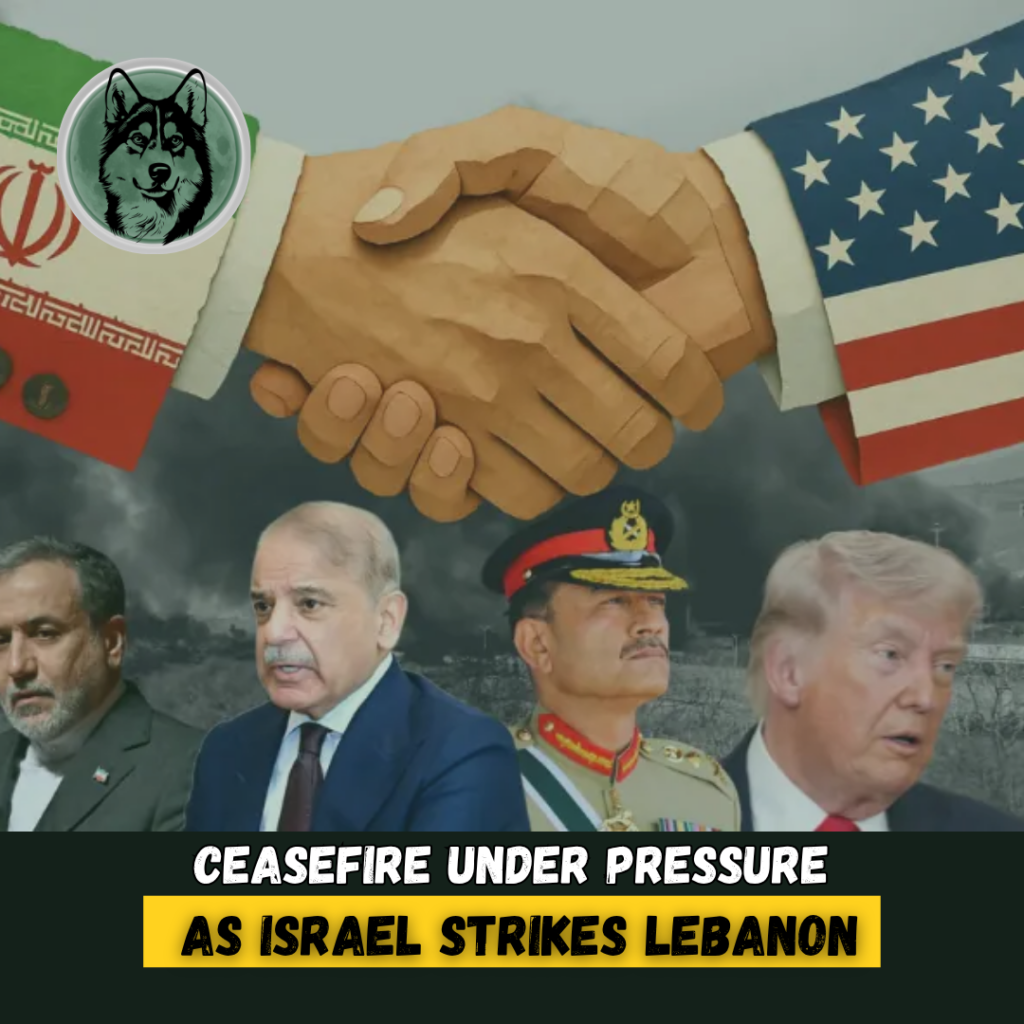
Pakistan’s Mediation Reaches ‘Critical Stage’
Iran’s ambassador to Pakistan stated that diplomatic efforts to end the war have reached a “critical and sensitive stage.” Islamabad has been actively engaged in facilitating dialogue between the warring parties.
Iran has reportedly submitted a 10-point response to a US proposal, demanding a permanent end to hostilities, sanctions relief, and secure navigation protocols in the Strait of Hormuz.
Global Energy Crisis Deepens
The head of the International Energy Agency warned that the current crisis is more severe than previous disruptions in 1973, 1979, and 2002 combined.
With nearly 20% of global oil and gas flows passing through the Strait of Hormuz, the near-blockade has triggered soaring energy prices. Developing nations are expected to face the harshest consequences, including inflation and food insecurity.
Trump Issues Ultimatum to Iran
US President Donald Trump has demanded that Iran reopen the Strait by a set deadline, warning of strikes on key infrastructure, including power plants and bridges.
Speaking at the White House, Trump framed recent military operations as decisive victories, including a high-risk rescue mission of a stranded American airman inside Iran.
Despite projecting confidence, Trump acknowledged uncertainty about the war’s trajectory, stating, “I can’t tell you. I don’t know,” when asked about escalation or resolution.
Strategic Infrastructure at Risk
In response to threats, Saudi Arabia temporarily shut down the King Fahd Causeway, a critical link connecting Bahrain to the Arabian Peninsula and home to the US Navy’s Fifth Fleet.
The move underscores growing fears of regional spillover and attacks on key infrastructure.
Conclusion
As the UN prepares for a decisive vote, the Iran-Hormuz crisis stands at a dangerous crossroads. With military escalation, economic disruption, and diplomatic efforts unfolding simultaneously, the coming days may prove decisive for regional stability and global energy security.