


Israeli officials express uncertainty as diplomatic progress stalls
Ceasefire Deadline Approaching
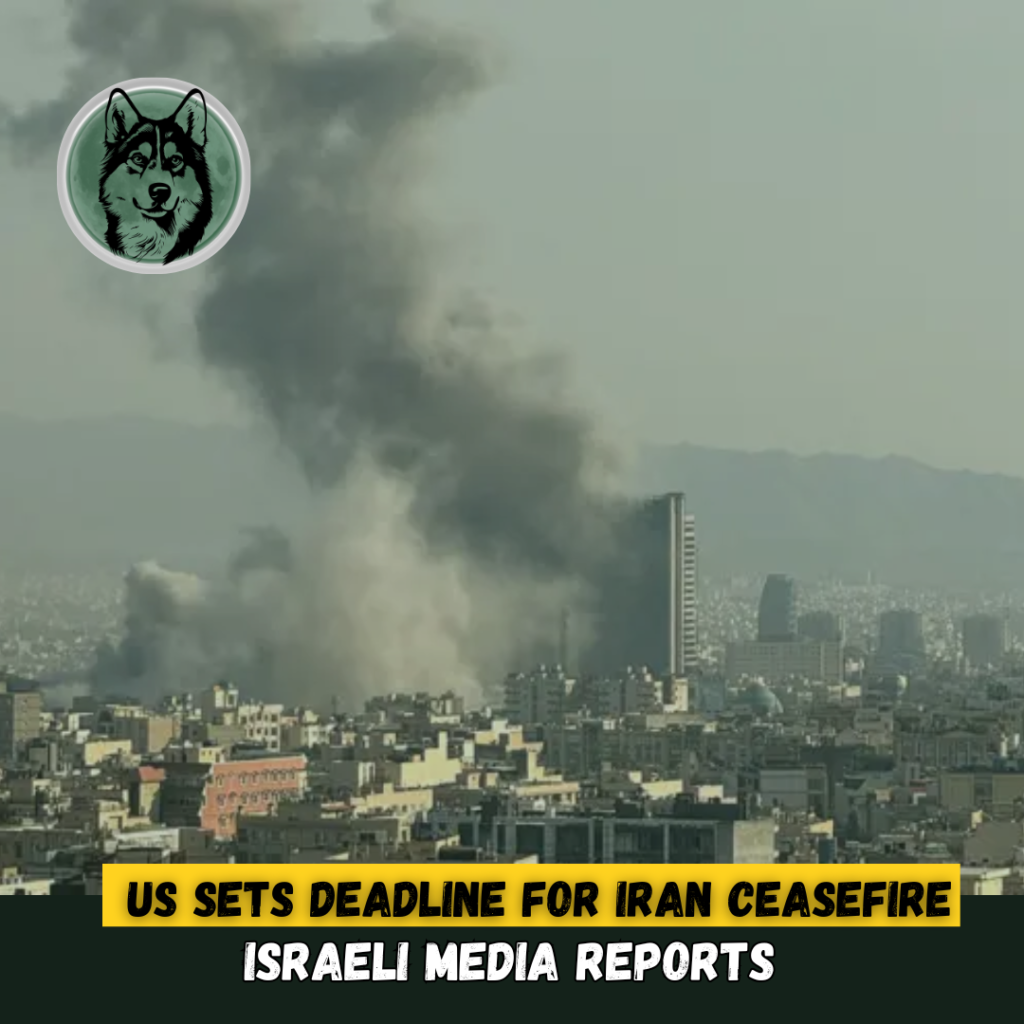
The United States has informed Israel that the current ceasefire with Iran is expected to expire on Sunday, according to Israeli media reports.
Israel’s public broadcaster KAN cited diplomatic sources saying that officials in Washington conveyed the timeline as part of efforts led by Donald Trump to push Tehran toward a final agreement.
However, Israeli officials reportedly believe that a diplomatic breakthrough before the deadline remains unlikely, raising concerns about a potential return to hostilities.
Uncertainty in US Strategy
Israeli sources also described growing confusion over Washington’s approach, noting that key developments are often being communicated through media statements and social media posts rather than formal diplomatic channels.
A White House official indicated that the ceasefire extension could last between three and five days, but emphasized that the situation remains fluid and dependent on evolving decisions from Washington.
Pakistan’s Mediation Efforts Continue
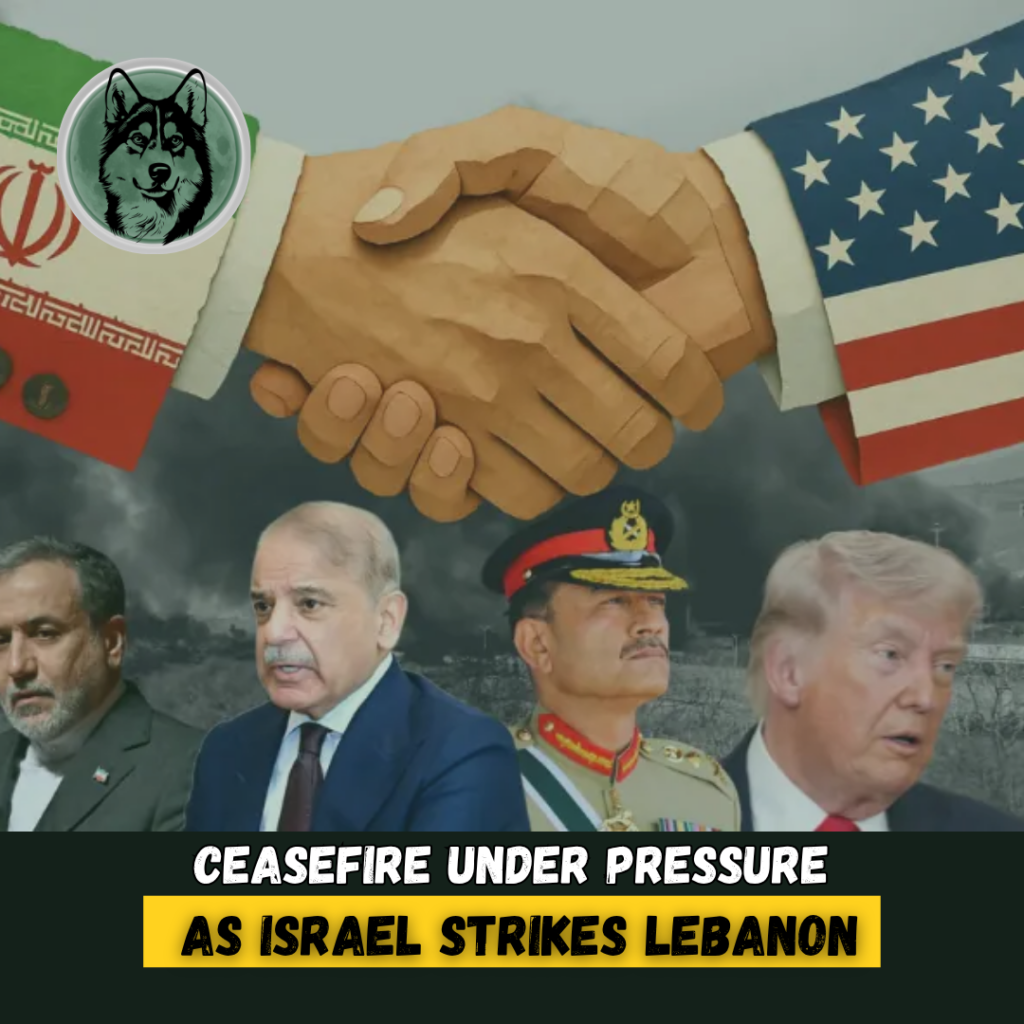
The ceasefire was extended earlier this week following mediation efforts by Pakistan, which hosted talks between US and Iranian officials earlier in April.
Despite these efforts, negotiations remain fragile, with both sides yet to agree on a unified framework for peace.
Maritime Escalation and Oil Disruptions
Meanwhile, tensions have intensified at sea. US forces have intercepted multiple Iranian-flagged oil tankers in Asian waters, redirecting them away from key routes near India, Malaysia, and Sri Lanka.
The situation has been further aggravated by disruptions in the Strait of Hormuz, a critical global oil transit route. The waterway, which handles roughly one-fifth of the world’s oil supply, remains effectively constrained.
Iran has also seized foreign vessels in the region, accusing them of regulatory violations, while the US has described such actions as piracy.
Global Energy Impact
The ongoing standoff has pushed global oil prices higher, with Brent crude trading above $100 per barrel in Asian markets.
The continued closure and instability around key shipping routes have triggered a broader energy crisis, affecting supply chains and economic stability worldwide.
No Clear Path to Resolution
Despite the temporary ceasefire, both sides remain far apart on core demands.
Washington is seeking limits on Iran’s nuclear program, while Tehran insists on sanctions relief, reparations, and recognition of its regional authority.
With no new deadline formally announced and negotiations stalled, the region remains in a fragile holding pattern, with the risk of renewed conflict looming.