




Tax collection improves; no need for new taxes, says FBR chairman.
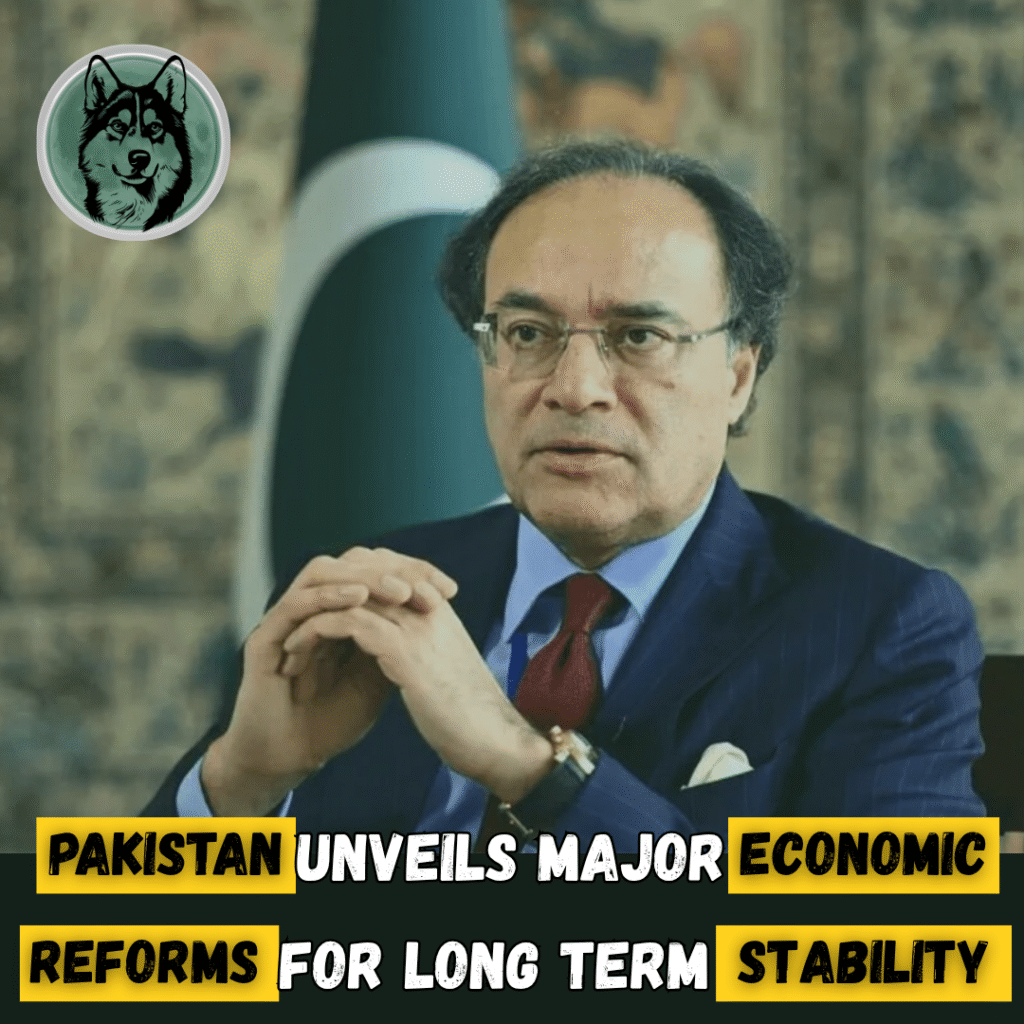
Pakistan’s economic management is entering a new phase, with Finance Minister Muhammad Aurangzeb announcing sweeping reforms across the tax, energy, and pension systems to secure long-term stability and efficiency.
Speaking at a press conference in Islamabad alongside FBR Chairman Rashid Mahmood Langrial, Energy Minister Awais Leghari, and IT Minister Shaza Fatima, the finance minister said the government has moved beyond crisis control and is now implementing sustainable structural reforms.
“Economic stability has been achieved in the country,” Aurangzeb said. “Our goal is to ensure sustainable economic stability. Reforms are indispensable for this purpose.”
He noted that Pakistan’s improving credit ratings and the recent IMF staff-level agreement reflect growing global confidence in the country’s economy.
Focus on Tax, Energy, and Pension Overhauls
Aurangzeb said the government is introducing major changes to strengthen public institutions, reduce inefficiencies, and create a fairer tax system. The plan includes “right-sizing” departments to streamline performance and eliminate redundancy.
“These reforms mark a shift from temporary solutions to long-term economic planning,” he emphasized, highlighting that the agenda is designed to consolidate Pakistan’s recent fiscal gains and promote investment-friendly growth.
FBR Chairman: ‘No Need to Impose More Taxes’
In a significant revelation, FBR Chairman Rashid Mahmood Langrial stated that tax collection and compliance have improved substantially, negating the need for additional taxes.
“Income tax returns have increased by 18 percent this year, with 5.9 million taxpayers now registered,” Langrial announced.
He explained that the tax-to-GDP ratio has risen by 1.5 percent, marking one of the strongest performances in recent years. The government aims to increase the ratio to 18 percent within the next three to four years, with coordinated contributions from federal and provincial governments.
“The FBR will contribute 13.5 percent, the Petroleum Development Levy 1.15 percent, and provinces about 3 percent,” Langrial said.
He also noted the personal risks faced by tax enforcement teams during operations.
“Two of our officials were martyred in the Kohat tunnel. Our teams are not trained for combat but for compliance enforcement. With the support of Rangers and other institutions, tax recovery has become safer and more efficient,” he added.
Energy Reforms: Government to Exit Power Purchasing
Federal Energy Minister Awais Leghari announced that the government will no longer purchase electricity directly, calling it “the biggest energy reform in two decades.”
“We inherited very expensive electricity,” Leghari said. “But despite challenges, we reduced prices by Rs10.5 per unit in the past 18 months.”
The minister highlighted industrial relief measures, including a three-month package offering power at Rs26 per unit and a reduction in EV charging rates from Rs71 to Rs39 per unit.
He further revealed that the auction of 17 loss-making power plants generated Rs48 billion in savings, with Rs9 billion contributed by the private sector.
Circular Debt Elimination Plan
Leghari outlined a comprehensive strategy to eliminate the Rs1.2 trillion circular debt within six years without burdening consumers.
“In one year alone, we reduced circular debt by Rs700 billion by improving governance and cutting losses in distribution companies,” he stated.
The minister said Rs193 billion in losses were curbed, including Rs80 billion from non-paying tube well owners within Quetta Electric Company’s network.
A Shift Toward Sustainable Growth
The announcements mark a significant policy transition from crisis management to long-term stability. The government’s integrated approach—spanning tax, power, and pension reforms—aims to address structural weaknesses while supporting equitable growth.
Economic analysts say that if implemented effectively, these measures could help restore investor confidence, reduce fiscal pressure, and create a more resilient national economy.