



Bangladesh calls sheltering Hasina “an act of enmity” after her conviction
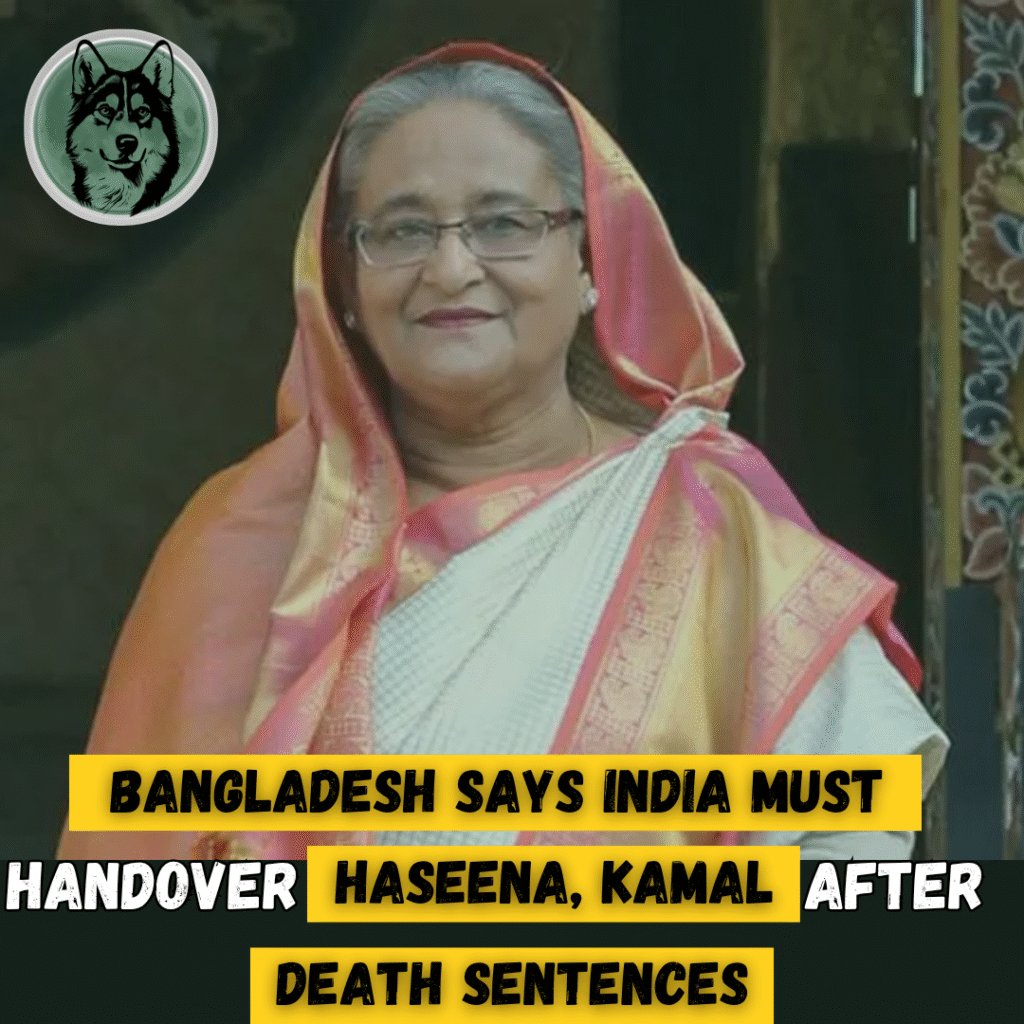
Bangladesh’s Ministry of Foreign Affairs has formally asked India to hand over former Prime Minister Sheikh Hasina and ex‑Home Minister Asaduzzaman Khan Kamal. The demand comes after an International Crimes Tribunal (ICT) in Dhaka convicted both in absentia for crimes against humanity related to what Dhaka calls the “July massacre.”
According to Bangladesh, India has a legal obligation to extradite them under the two countries’ existing extradition treaty. The Foreign Ministry said that providing refuge to persons convicted of crimes against humanity would be “a serious act of enmity” and an insult to justice.
The ICT handed down a death sentence to both Hasina and Kamal. The tribunal found that Hasina, in her role, failed to prevent violence, incited deadly force, and ordered deployment of lethal weapons including drones and helicopters against protesters. It also held that Kamal, as a senior official, shared “superior command responsibility” in the crimes.
Bangladesh’s statement recalled that Hasina fled to India in August 2024 amid nationwide protests. The Ministry of Foreign Affairs insisted that New Delhi immediately return the two leaders to face justice.
India’s Ministry of External Affairs has responded cautiously, saying New Delhi “noted” the verdict and will “engage constructively” with Bangladeshi stakeholders. There has been no firm commitment yet to extradite Hasina or Kamal.
Dhaka’s demand comes against a broader backdrop of political tension. Chief Adviser Muhammad Yunus of Bangladesh has called on India to act with “conscience and moral clarity.” The interim government in Dhaka argues that denying extradition would undermine justice and strain bilateral relations.
Analysis & Implications
Legal Pressure on India
Bangladesh is leaning heavily on its treaty rights. By calling the extradition demand a “mandatory duty,” Dhaka is putting strong diplomatic pressure on New Delhi. The move could test India’s willingness to uphold legal commitments over political convenience.
Diplomatic Tension
If India refuses or delays, it risks deepening a serious rift with Bangladesh. Dhaka frames non-cooperation not just as a legal failure, but as a hostile act against justice and national dignity.
Domestic Repercussions in Bangladesh
For the interim government led by Yunus, this demand is a powerful signal: they want accountability for last year’s unrest. Extraditing Hasina and Kamal would serve as a major step toward fulfilling promises of justice and institutional reform.
Regional Stability Risks
The situation could strain Bangladesh‑India relations. How India responds may influence regional dynamics, especially with upcoming elections in Bangladesh. Diplomatic fallout could also affect cooperation on security, trade, and migration.
What Could Be Done
India should clarify its position publicly: whether it will meet the extradition demand or not, ambiguity only fuels more tension.
Bangladesh could present stronger legal documentation and diplomatic guarantees, making it easier for India to justify cooperation.
A mediated solution may help: third-party involvement could ease political risk for both nations and help find a way forward that respects justice and sovereignty.