





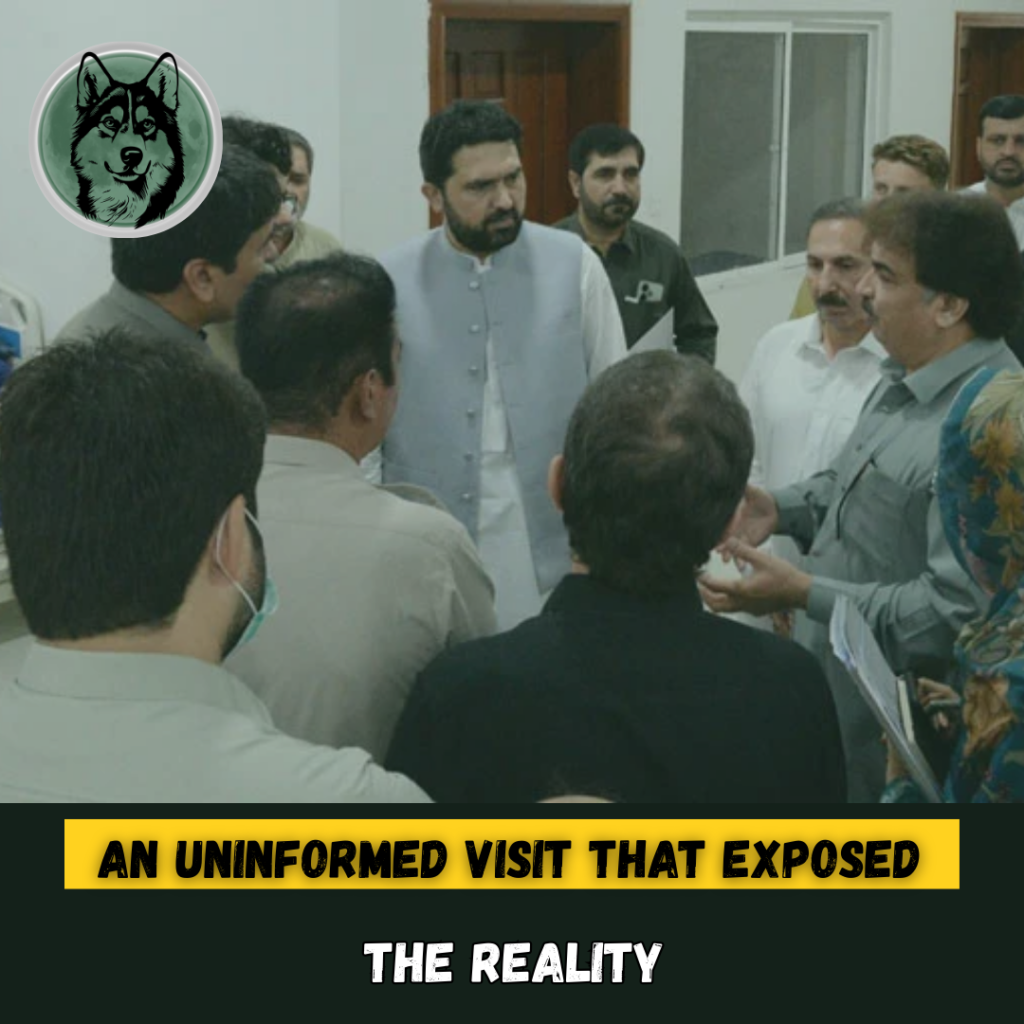
Without any prior intimation, circular, or administrative alert, Sohail Afridi paid an uninformed (surprise) visit to a public hospital in Khyber Pakhtunkhwa—with one clear objective:
to observe actual staff behavior, not managed appearances.
What he found was disturbing.
The majority of on-duty staff were using mobile phones—scrolling, chatting, and disengaged—while patients waited, attendants pleaded, and service counters remained functionally inactive despite being physically open.
This was not an exception.
This was the dominant working culture at that moment.

What the Uninformed Visit Proved
An informed visit shows compliance for a day.
An uninformed visit exposes habits built over years.
• Staff were present, but attention was elsewhere
• Systems existed, but service delivery was absent
• Patients were registered, but not facilitated
When the majority of staff prioritize mobile screens over human lives, healthcare stops being care—it becomes procedure without purpose.
Why Mobile Phone Misuse Has Become Systemic
Mobile phones inside public hospitals are no longer tools of coordination; they have become agents of negligence.
• Reduced patient interaction
• Delayed emergency response
• Ignored complaints from attendants
• Complete erosion of service empathy
This digital distraction does not happen overnight—it grows where monitoring is weak and accountability is absent.
How the State Intends to Correct This Failure
Based on direct observation, not file reports, Sohail Afridi announced a zero-tolerance corrective mechanism:
• Creation of a staff monitoring cell
• Continuous oversight of on-duty conduct
• Heavy fines for non-compliance
• Further disciplinary and legal proceedings for repeat violations
This shifts governance from advice to enforcement.
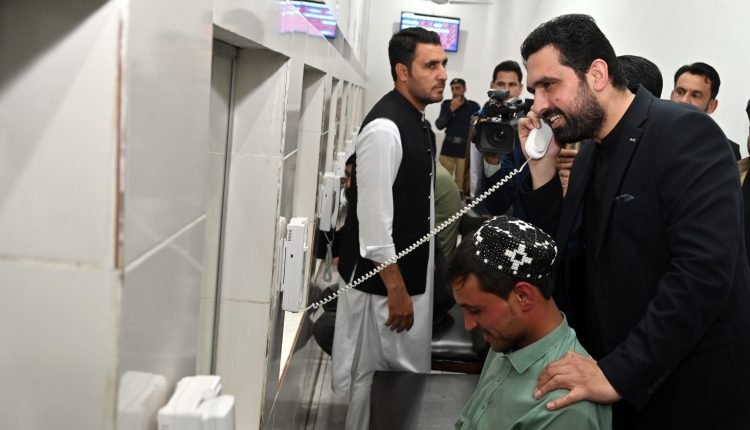
What This Initiative Represents
This action reflects the reformist mindset of Pakistan Tehreek-e-Insaf and the accountability doctrine long advocated by Imran Khan—where institutions serve the public, not personal convenience.
Broken discipline creates broken services.
Broken services destroy public trust.