





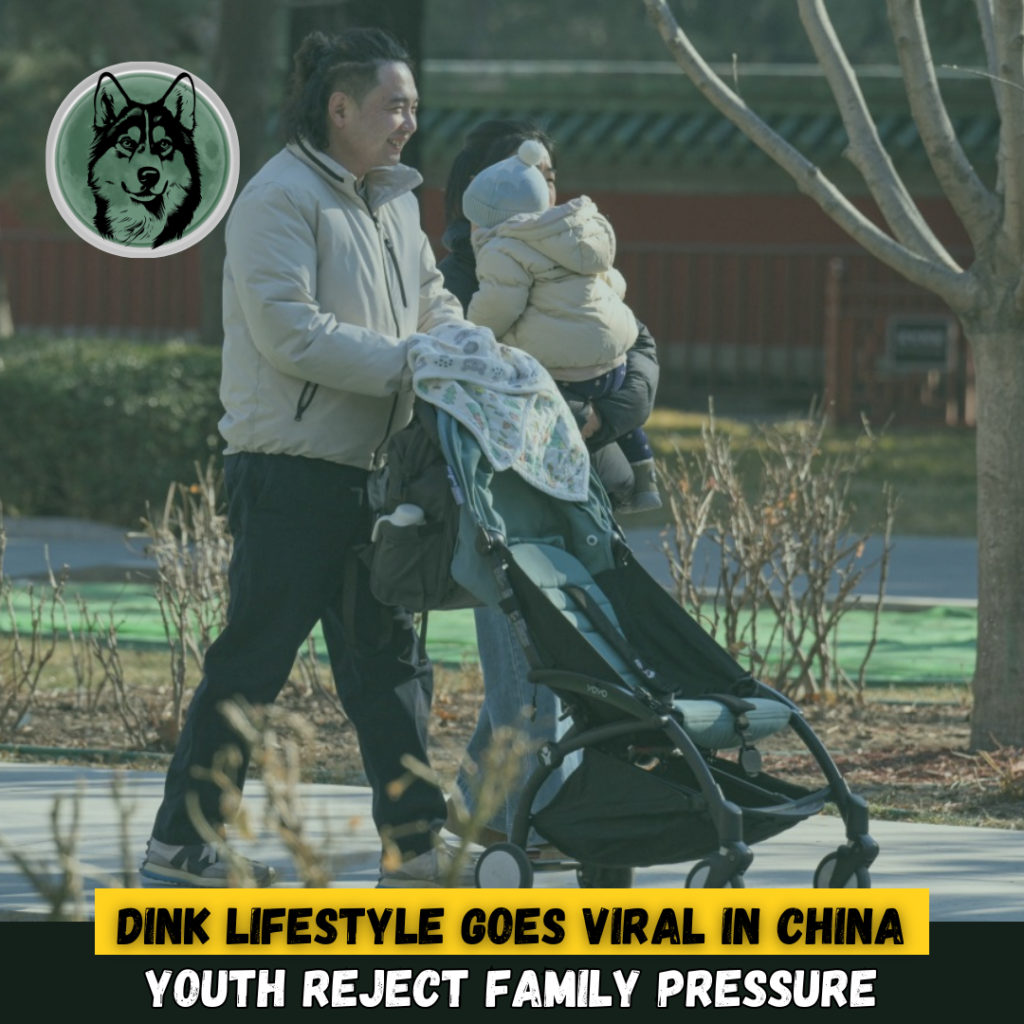
Young couples like Grace prioritize freedom over family pressure, signaling a societal shift that may redefine China’s future
China’s birth rate declines as young couples embrace the DINK lifestyle. Experts warn of economic and social challenges despite pro-natalist policies
Young Couples Reject Parenthood
Twenty-five-year-old Grace and her husband have decided to stay child-free. They resist pressure from family and society, even as China struggles to raise its declining birth rate. Many young couples are now embracing the DINK lifestyle— “dual income, no kids.”
China’s Demographic Crisis
Since ending the one-child policy in 2016, China faces a shrinking population. Births have halved since then, with only 9.54 million recorded in 2024. The UN predicts China’s population could drop from 1.4 billion today to 633 million by 2100.
Reasons Behind the Shift
High child-rearing costs, career ambitions, and financial insecurity drive couples to delay or forgo children. Grace explains she wants savings and a stable income before considering a family. The DINK trend has gone viral on Chinese social media, sparking debate.
Policy Response
China has introduced pro-natalist incentives, including childcare subsidies of $500 per child under three. Authorities even taxed condoms and contraceptives to encourage families. Yet experts warn these measures are insufficient.
Cultural and Social Challenges
The one-child policy reshaped family norms. Many now prefer smaller families. Independent demographer He Yafu notes that fewer young people marry or intend to have children. Associate Professor Pan Wang emphasizes that cultural habits limit the effectiveness of pronatalist policies.
Critical Analysis
China’s declining birth rate threatens long-term economic growth. An aging population increases healthcare and pension burdens while shrinking the workforce. Socially, it may deepen generational divides and reduce societal vibrancy. Policies alone cannot reverse deep-seated lifestyle choices shaped over decades. China must balance incentives with cultural understanding to secure sustainable growth.