

Israel’s largest strikes in Beirut deepen crisis amid fragile truce
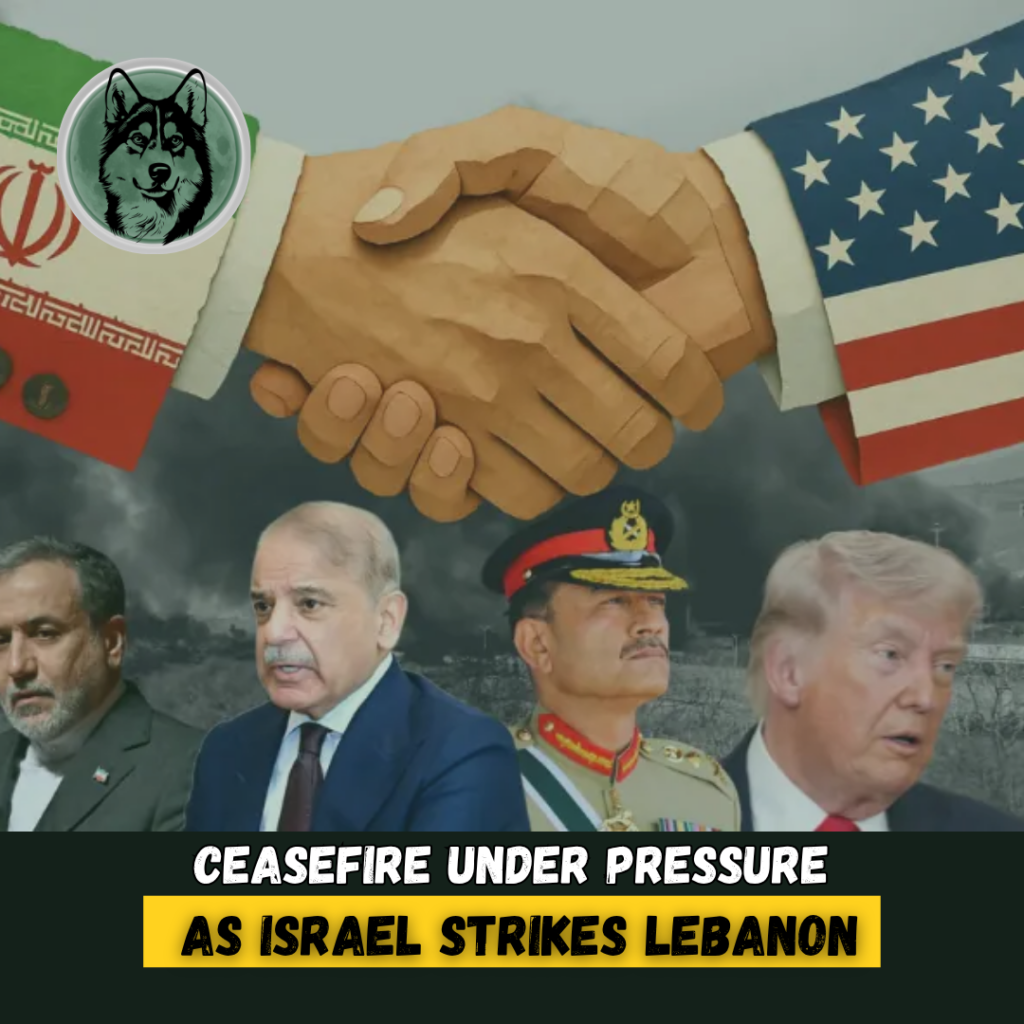
Donald Trump has warned of a major escalation in the Middle East conflict if ongoing peace efforts with Iran fail, as tensions continue to rise despite a fragile ceasefire.
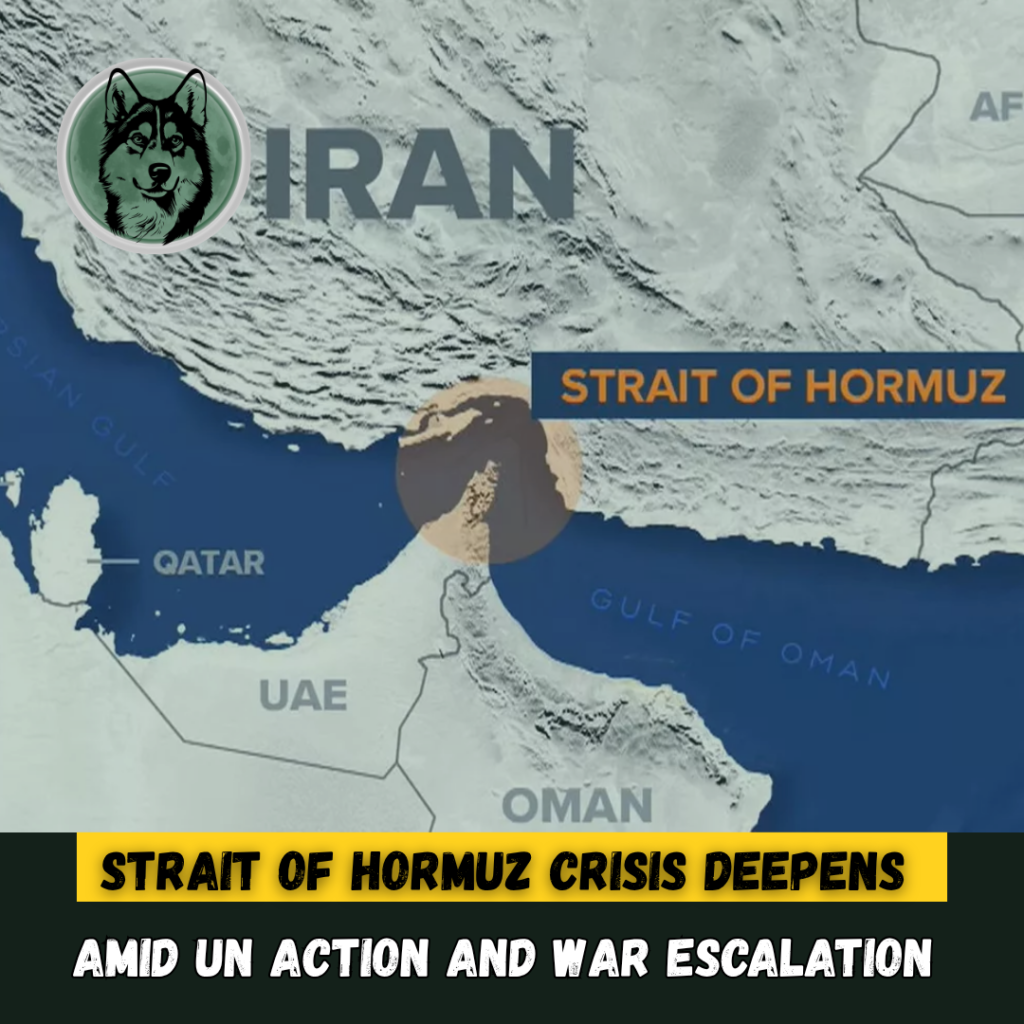
The US president stated that American military assets, including ships and aircraft, will remain deployed in the region until a lasting agreement is reached. He cautioned that if the deal collapses, military action would intensify significantly. Trump also claimed that Iran had agreed to avoid pursuing nuclear weapons and to reopen the strategically vital Strait of Hormuz, though Iranian officials have not confirmed these terms.
Conflicting Claims and Fragile Ceasefire
Despite both sides declaring success after weeks of conflict, major disagreements remain unresolved. Iran’s leadership has not included nuclear restrictions in its proposed peace framework, highlighting deep divisions between Tehran and Washington.
Meanwhile, the situation has worsened in Beirut, where Israel launched its largest airstrikes of the war. Hundreds of civilians were reported killed and injured, intensifying humanitarian concerns.
Hezbollah Leadership Targeted
Israel announced that it had killed Naim Qassem, the head of Hezbollah, in a major strike. If confirmed, this would mark a significant blow to both Hezbollah and its key ally, Iran.
The group, formed in 1982 and backed by Iran, has played a central role in the regional conflict. It entered the war following escalating tensions between Iran and Israel, further widening the scope of hostilities.
Diplomatic Efforts Continue
Efforts to stabilize the situation are ongoing. Spain announced it will reopen its embassy in Tehran to support peace initiatives. Talks are expected to take place in Islamabad, where Iranian and US delegations will attempt to negotiate a long-term agreement.
However, Iranian officials have warned that continued Israeli attacks, particularly in Lebanon, make negotiations increasingly difficult.
Oil Markets and Global Impact
Global oil prices have surged amid uncertainty over the ceasefire and continued restrictions in the Strait of Hormuz, a critical route for global energy supplies. Investors remain concerned about the risk of further disruption in the region.
Contrasting Agendas Threaten Talks
A key point of disagreement is whether Lebanon should be included in the ceasefire. While the United States and Israel argue it is not part of the agreement, Iran insists that halting violence in Lebanon is essential for any deal.
European leaders have also weighed in, emphasizing the importance of maintaining free navigation in international waters and calling for a permanent ceasefire.
Rising Humanitarian Concerns
In Lebanon, the humanitarian situation continues to deteriorate. Civilian casualties are mounting as airstrikes intensify, with international organizations warning of a worsening crisis.
The latest developments highlight the fragility of the ceasefire and the significant challenges facing diplomatic efforts. With negotiations set to begin soon, the coming days will be critical in determining whether the region moves toward peace or further escalation.