




New Findings, Old Debates
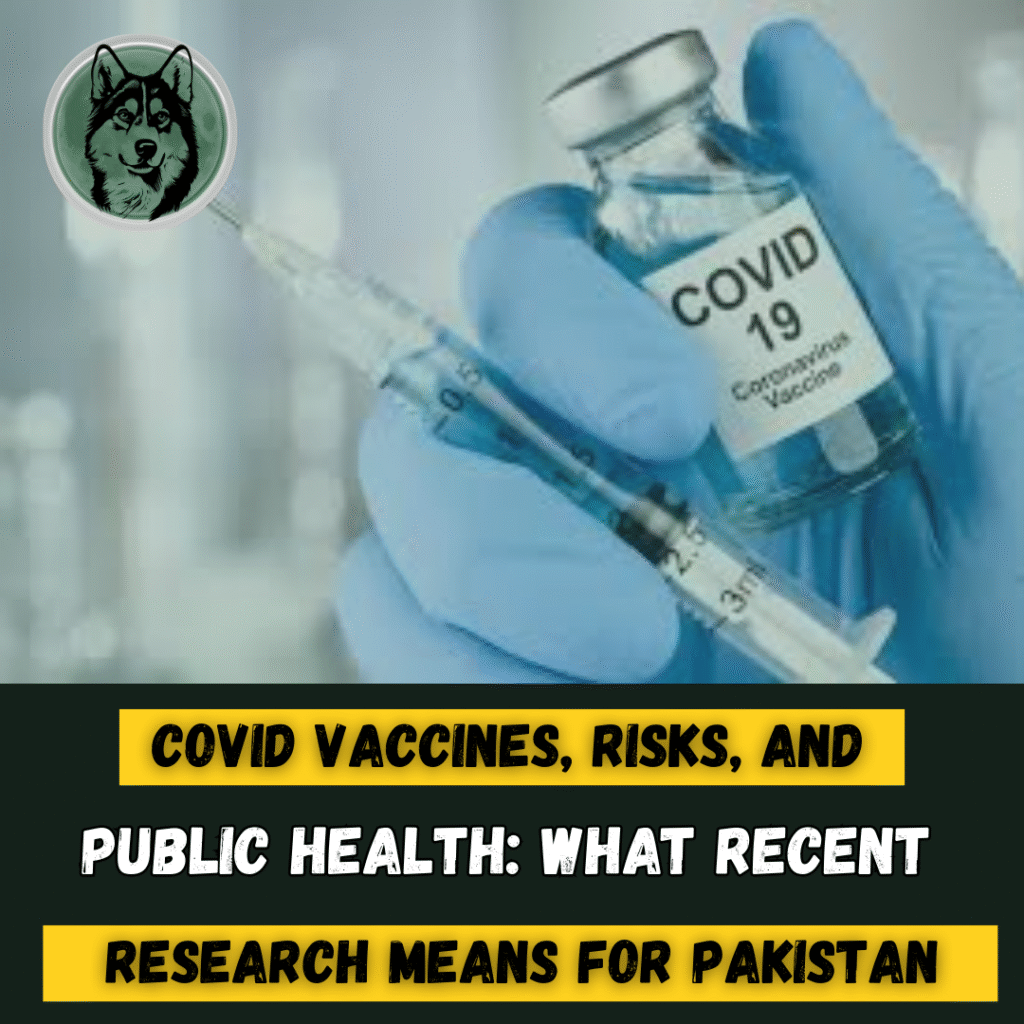
Recent reports from the United States have sparked renewed debates about COVID-19 vaccination, particularly for children. An internal FDA memo, reported by the New York Times, suggested that at least 10 child deaths were likely linked to COVID vaccines, citing myocarditis as a possible cause. These findings are preliminary and have not been published in a peer-reviewed journal, yet they have already influenced US health policy. Health Secretary Robert F. Kennedy Jr. has restricted vaccine access to adults over 65 and high-risk groups, a sharp departure from prior recommendations.
For Pakistan, a country with a diverse population, limited health infrastructure, and varying vaccine uptake, these developments raise important questions: How should health authorities respond? How should parents, educators, and policymakers weigh benefits versus risks?
Understanding the Risks
The FDA memo highlights myocarditis as a concern. While rare, myocarditis inflammation of the heart can be serious. Globally, studies have shown that:
- Most cases occur in adolescent males
- Symptoms often appear within a few days of vaccination
- Recovery is usually full with proper medical care
It is important to emphasize that COVID-19 itself also carries a risk of myocarditis and severe complications, especially in adults and high-risk children. Vaccination remains a crucial tool in preventing widespread infections, hospitalizations, and deaths.
Balancing Benefits and Risks
Vaccines have prevented millions of infections worldwide, saving countless lives. The challenge lies in fine-tuning public health recommendations based on age, health status, and emerging data. Recent research underscores:
- The need for vaccine surveillance and long-term follow-ups
- Transparent reporting of adverse events
- Clear communication to maintain public trust
For Pakistan, this means adopting a risk-based approach rather than halting vaccination altogether.
What Pakistan Should Consider
- Strengthen Adverse Event Reporting
Pakistan’s health authorities should ensure a robust national vaccine safety monitoring system, collecting data on adverse events for all age groups. - Prioritize High-Risk Groups
Focus vaccination efforts on:- Seniors (60+)
- Individuals with chronic illnesses (heart disease, diabetes, immunocompromised)
- Healthcare workers
- Transparent Communication
Public hesitancy can rise rapidly. Authorities must:- Explain vaccine benefits and risks clearly
- Share international research and local case studies
- Address misinformation swiftly
- Consider Pediatric Vaccination Carefully
Children have lower risk of severe COVID-19 but are not risk-free. Pakistan can:- Continue vaccinating high-risk children
- Use lower-dose regimens if advised by WHO and local experts
- Delay mass vaccination of healthy children until further studies are confirmed
- Maintain Global Alignment
Pakistan should follow WHO guidance, the CDC, and other international public health authorities while tailoring strategies to local realities.
Public Perspective and Responsibility
Public trust is critical. Parents, teachers, and caregivers must have access to reliable information. The media and health experts should emphasize that vaccination:
- Reduces severe COVID-19 cases
- Protects vulnerable populations
- Supports reopening schools, workplaces, and communities safely
At the same time, acknowledging and investigating adverse events honestly will strengthen confidence rather than weaken it.
Conclusion: A Balanced Approach
Recent findings from the US remind the world that no medical intervention is risk-free. COVID-19 vaccines are overwhelmingly beneficial, but ongoing research and transparent reporting are vital.
For Pakistan, the path forward should be pragmatic, cautious, and evidence-driven:
- Protect high-risk populations first
- Monitor adverse events rigorously
- Communicate openly with the public
- Align with global health guidance while addressing local challenges
COVID-19 is not over, and neither is the responsibility to ensure safe and effective immunization for all. Pakistan’s decisions now will shape public trust and health outcomes for years to come.