


Rights groups allege security forces opened fire as demonstrations spread across several provinces
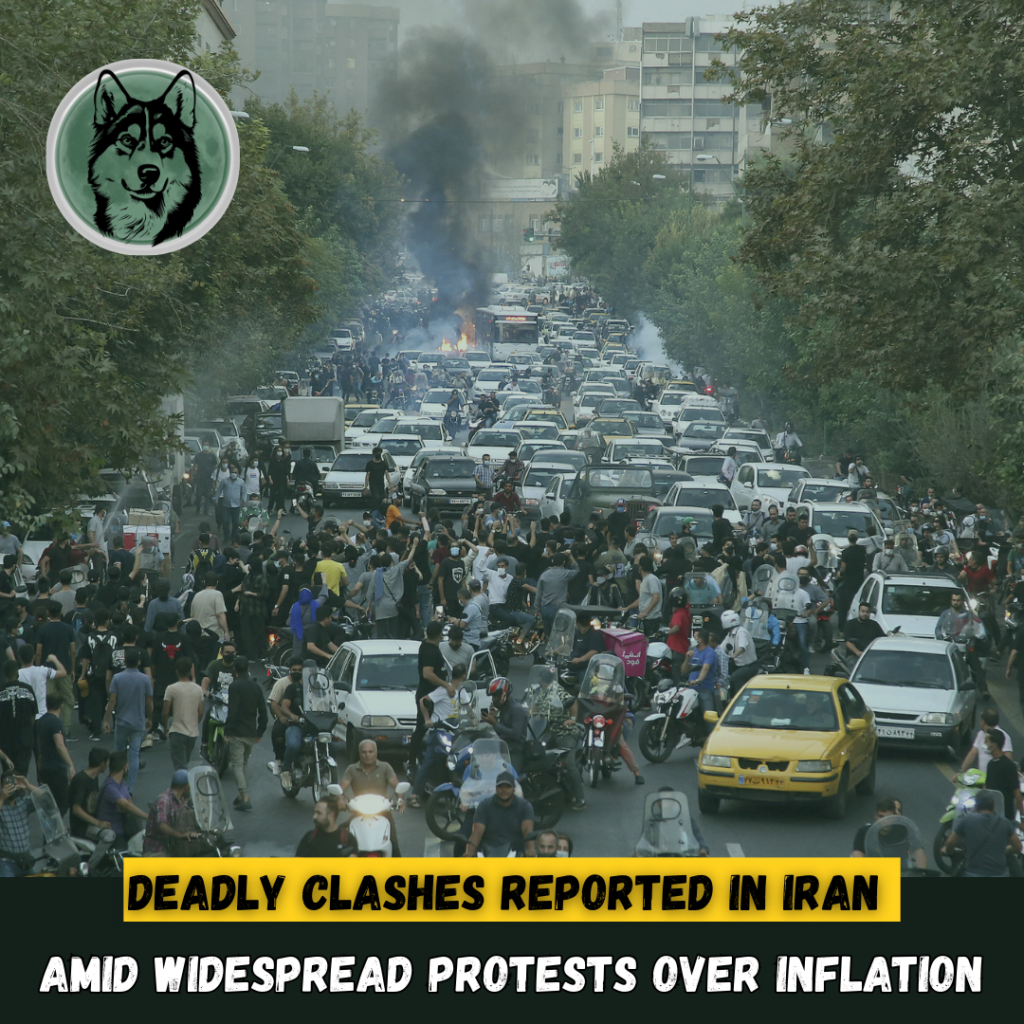
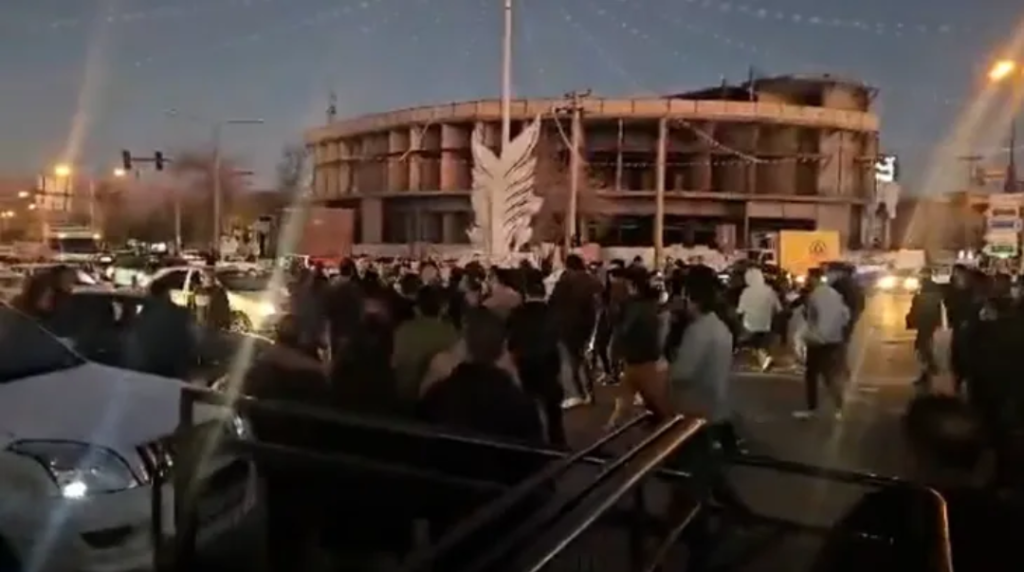
Several people were reported killed during protests in Iran on Thursday, according to Iranian media and human rights groups, as the largest demonstrations in three years over soaring inflation escalated into violent clashes across multiple provinces.
The semi-official Fars news agency cited a “source with knowledge” as saying several people were killed in confrontations between police and what it described as armed protesters in Lordegan, a city in western Iran.
A Kurdish rights group, Hengaw, also reported fatalities in Lordegan, alleging that security forces opened fire on demonstrators, killing and wounding several people.
Violence Reported in Multiple Cities
Thursday’s clashes in Lordegan, combined with reports of the deaths of a security force member overnight and a protester on Wednesday, marked a significant escalation in unrest that has spread nationwide since shopkeepers began demonstrations earlier this week.
Iran’s Revolutionary Guards said a member of its affiliated Basij volunteer paramilitary force was killed in the western city of Kuhdasht. The Guards identified the victim as Amirhossam Khodayari Fard, adding that 13 other Basij members were wounded.
Hengaw separately reported that a protester was shot dead on Wednesday in Isfahan province in central Iran.
Reuters said it could not independently verify the reported casualties.
Arrests and Heavy Security Presence
Protests were also reported on Thursday in Marvdasht, located in the southern Fars province, according to activist outlet HRANA. Hengaw said demonstrators were detained on Wednesday in the western provinces of Kermanshah, Khuzestan, and Hamedan.
HRANA reported a heavy security presence across several cities, including arrests, shootings, and clashes. State media acknowledged that some students were detained during demonstrations but said they were later released.
Social media users in Iran questioned official accounts surrounding the death of the Basij member. A video widely circulated online—unverified by Reuters—appeared to show protesters attempting to place an injured person into an ambulance.
Critical Moment for Iran’s Leadership
The unrest comes at a sensitive time for Iran’s clerical leadership, as Western sanctions continue to strain an economy grappling with inflation of more than 40%. Tensions have further intensified following Israeli and US airstrikes in June that targeted Iran’s nuclear infrastructure and military leadership.
In response, authorities have combined security measures with conciliatory gestures. Government spokesperson Fatemeh Mohajerani said officials would hold direct talks with representatives of trade unions and merchants, though no timeline or details were provided.
President Masoud Pezeshkian said he had instructed the interior minister to listen to the “legitimate demands” of protesters.
Economic Pressure Fuels Protests
Demonstrations by merchants, shopkeepers, and university students have led to the closure of major bazaars in several cities. On Wednesday, the government declared a nationwide holiday, citing cold weather, effectively shutting down much of the country.
Iran’s economy has suffered for years under US and Western sanctions related to its nuclear program. A brief but intense air conflict with Israel in June further weakened public finances.
The Iranian rial lost nearly half its value against the US dollar in 2025, while inflation reached 42.5% in December factors widely seen as the catalyst behind the current wave of unrest.