



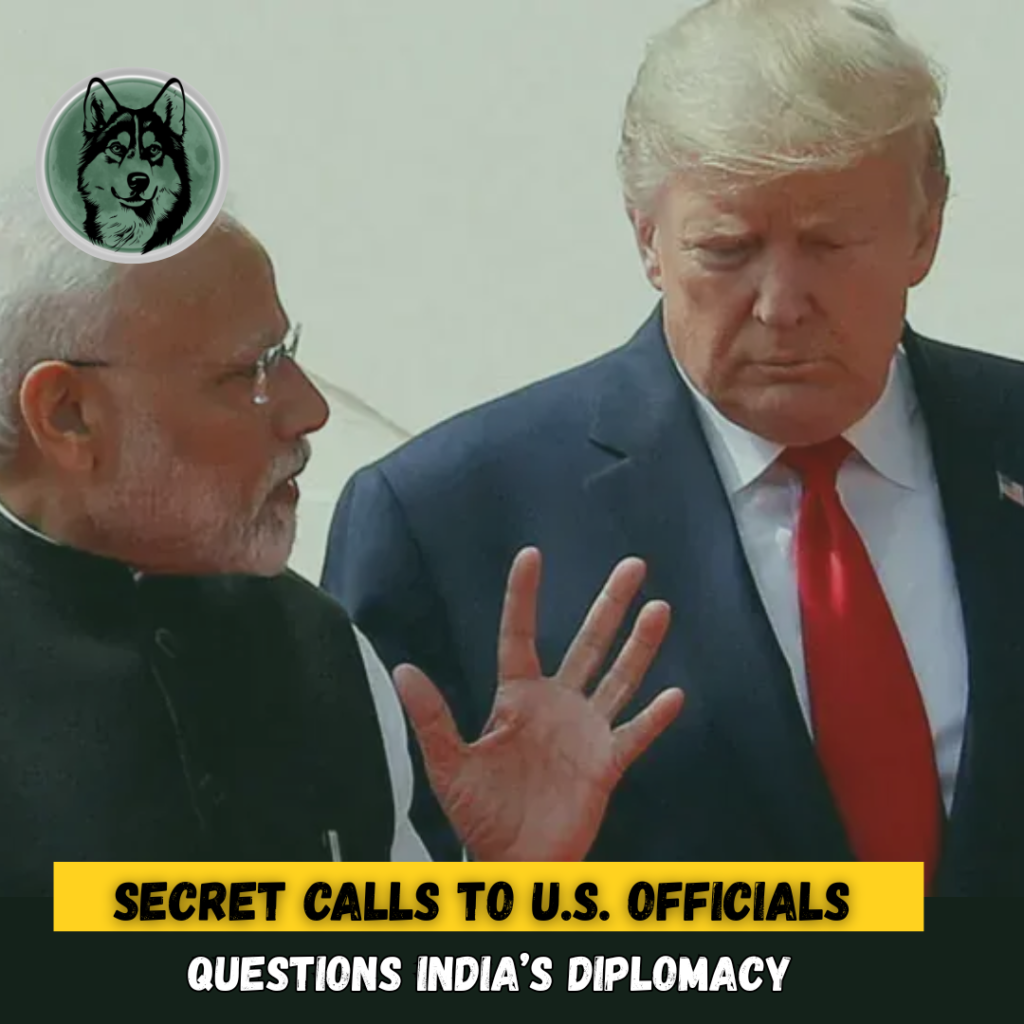
Allegations of secret lobbying cast a shadow over India’s diplomatic credibility, raising questions about influence, transparency, and behind-the-scenes maneuvering in international crises
India reportedly used a U.S. lobbying firm to reach officials during the May 2025 India-Pakistan conflict, raising questions about diplomatic transparency and influence
India’s Lobbying Amid India-Pakistan Conflict
Despite denying U.S. involvement, India reportedly used a lobbying firm to reach U.S. officials during the May 2025 India-Pakistan conflict following the Pahalgam incident. The Hindu reported calls made by SHW LLC to White House and NSC officials.
Key Meetings and Calls
The lobbying firm contacted White House Chief of Staff Susie Wiles, U.S. Trade Representative Jamieson Greer, and NSC official Ricky Gill. Requests included media coverage, Operation Sindoor, and trade discussions.
Lobbying Firm Details
SHW LLC, led by former Trump spokesperson Jason Miller, was contracted by the Indian Embassy for $1.8 million annually. The firm facilitated meetings for ministers, diplomats, and parliamentary delegations with top Trump administration officials.
Context of U.S.-India Relations
Calls increased during trade tensions, including 25% reciprocal tariffs on Indian goods. Modi and Trump later exchanged messages, and Trump called Modi for his birthday in September 2025.
Critical Analysis
Strengths:
- Direct access to U.S. policymakers.
- Ability to flag sensitive issues like Operation Sindoor and trade matters.
- Quick escalation and attention to India’s diplomatic priorities.
Weaknesses:
- Perception of bypassing official channels may erode credibility.
- High costs for lobbying ($1.8 million) may attract scrutiny.
- Potential backlash if public perceives undue influence.
Opportunities:
- Strengthen India-U.S. bilateral relations.
- Gain strategic advantage in trade negotiations and security coordination.
- Build long-term networks within U.S. political landscape.
Threats:
- Contradiction with public denials could fuel domestic and international criticism.
- Risk of undermining India’s transparency in diplomacy.
- Heightened scrutiny from media and opposition parties.
Conclusion
While lobbying may have helped India secure attention from U.S. officials, it exposes risks to credibility and transparency. Balancing strategic gains with public trust remains crucial.