



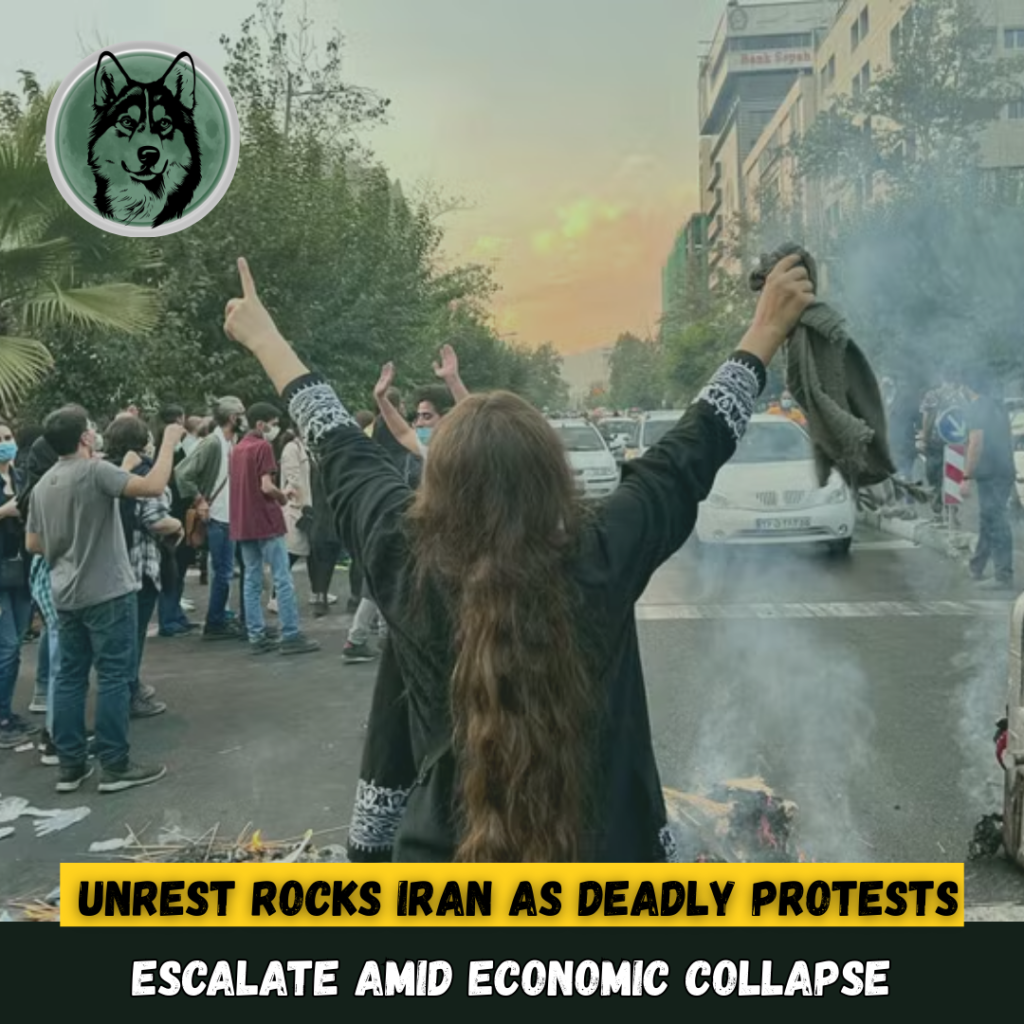
At least 16 killed as citizens clash with security forces over skyrocketing inflation and currency crisis
Iran is gripped by unprecedented turmoil as protests erupt across the country, leaving at least 16 dead and hundreds arrested. Citizens, including bazaar traders, students, and provincial residents, are confronting authorities in a fiery revolt against economic hardship, soaring inflation, and political oppression. The unrest marks the largest wave of dissent in three years, exposing the vulnerabilities of the Islamic Republic amid mounting domestic and international pressures.
Protests Ignite Amid Economic Meltdown
The uprising began among bazaar traders and shopkeepers and quickly spread to universities and provincial cities, fueled by public outrage over inflation above 36% and a crippling currency devaluation, which has halved the rial’s value against the U.S. dollar. Citizens are voicing frustration over water and electricity shortages, economic stagnation, and global sanctions, demonstrating a rare yet explosive collective defiance against the ruling clerics.
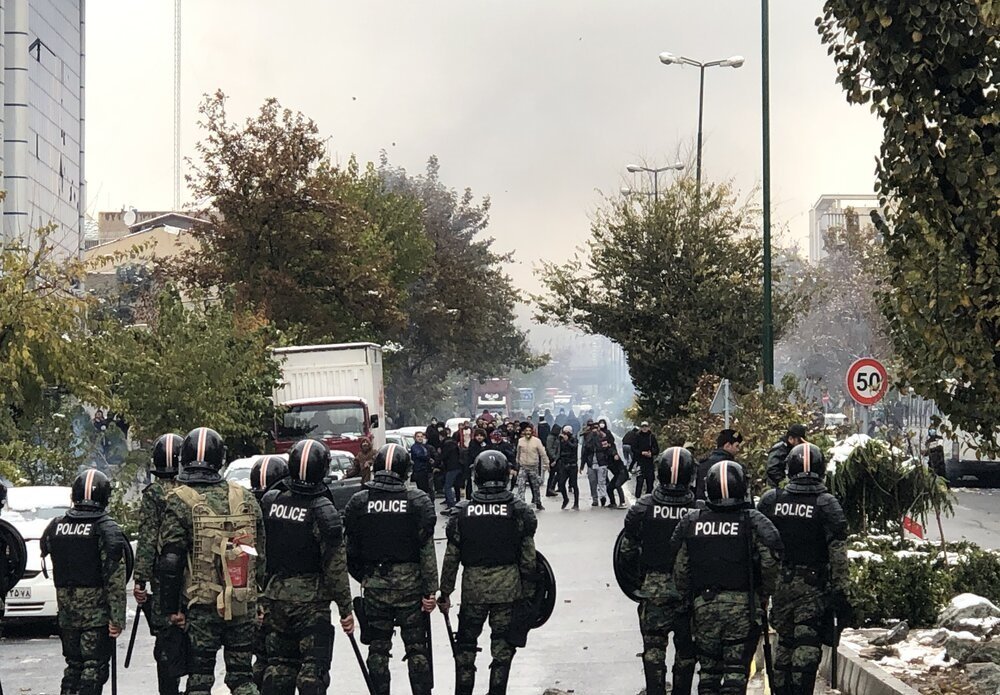
Violent Clashes and Government Response
Security forces clashed with demonstrators in Tehran, western provinces, and southern Baluchistan. Police chief Ahmad-Reza Radan reported the targeted arrest of protest leaders, particularly online activists, while authorities in Qom confirmed two deaths linked to improvised explosives.
President Masoud Pezeshkian urged the Interior Ministry to adopt a “kind and responsible” approach, the most conciliatory tone yet, acknowledging citizens’ grievances while warning against manipulation by hostile elements. Conversely, Supreme Leader Ayatollah Ali Khamenei vowed Iran “will not yield to the enemy”, signaling a tense standoff between government authority and public anger.
International Tensions and External Threats
U.S. President Donald Trump issued a warning to support protesters, prompting retaliatory threats from Tehran. Authorities fear foreign interference is exacerbating internal dissent, while Vice President Mohammadreza Aref cautioned youth not to fall into external traps, highlighting the delicate balance between domestic unrest and international scrutiny.
Analysis: Economic Strain Meets Political Volatility
The protests are as much about economic despair as political oppression. With rising unemployment, recession warnings for 2026, and the rial’s collapse, citizens are increasingly confronting systemic failures. The Iranian government faces a daunting challenge: contain unrest without further inflaming public anger, all while managing international pressures and sanctions.