



Lack of testing labs and vaccines raises fears during peak flu season
Global flu outbreaks raise local concerns
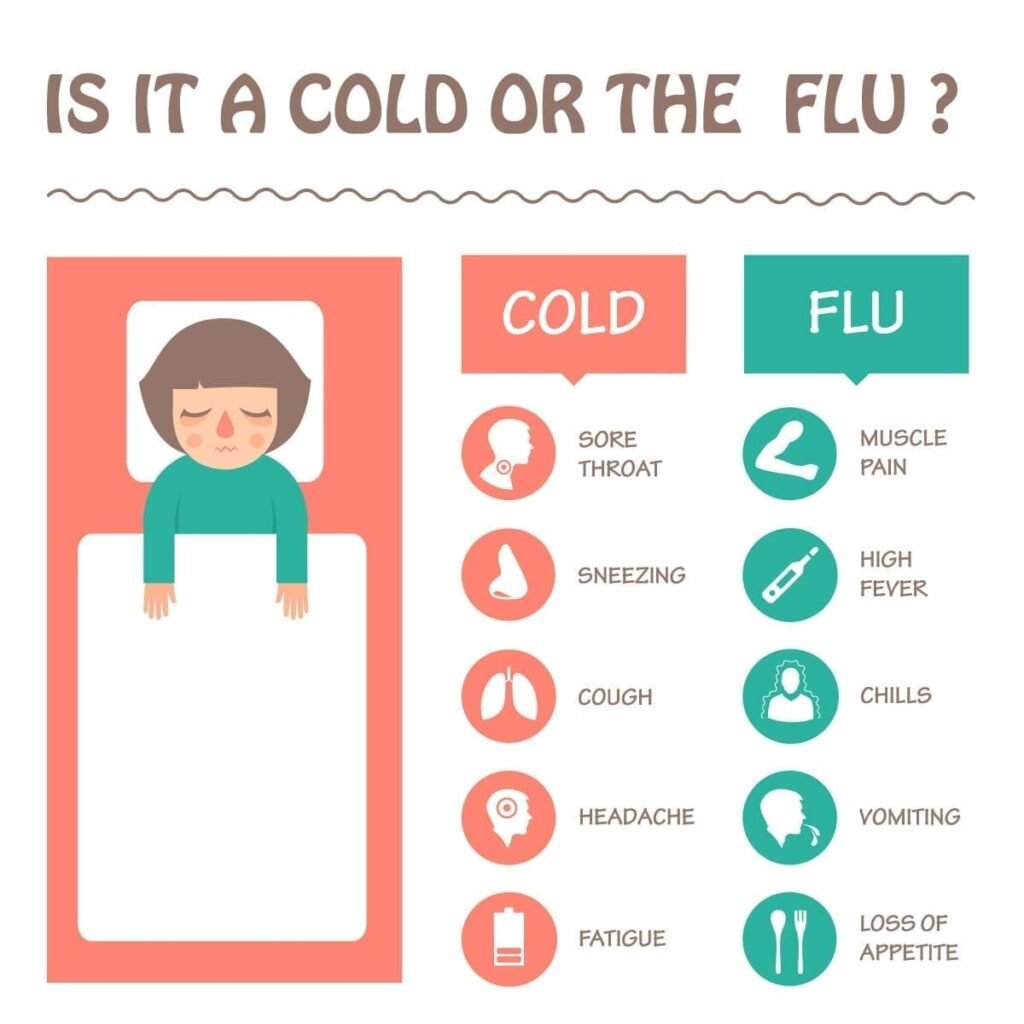
As influenza outbreaks intensify in several parts of the world, serious questions are being raised about Punjab’s preparedness to detect and respond to emerging and potentially aggressive flu variants.
Health experts warn that the province’s response remains limited, fragmented, and largely reactive, despite mounting global concern over so-called “super flu” strains and a seasonal rise in influenza cases.
What strains are causing concern
Sources within the health sector say provincial authorities lack clarity about new influenza variants circulating internationally, including the H3N2 strain, which has been associated with more severe respiratory symptoms in other countries.
Despite these concerns, official preparedness efforts remain focused almost entirely on seasonal influenza H1N1, widely considered the most common strain in Pakistan.
Why testing capacity is a major gap
One of the most critical weaknesses identified is the absence of influenza virus testing facilities in Punjab.
There is currently no government-run Biosafety Level-3 (BSL-3) laboratory in the province capable of conducting influenza virus testing — a shortfall that severely limits early detection and containment of emerging strains.
Officials also confirm that diagnostic kits for detecting newer influenza variants, including H3N2, are not available with provincial health authorities. Even H1N1 testing kits are reportedly out of stock.
National-level testing also disrupted
The situation is further complicated by reports that testing for both seasonal and severe influenza variants has been suspended at the National Institute of Health (NIH), Pakistan’s premier public health laboratory.
This has effectively left the country without a robust public-sector diagnostic mechanism at a time when surveillance is considered critical.
Vaccination shortfalls raise further alarm
Vaccination efforts have also come under criticism. The Punjab government has not procured flu vaccines this season, resulting in the absence of free or subsidised influenza vaccination at government hospitals.
Health experts warn that this gap disproportionately affects low-income and high-risk populations, including the elderly, children, and those with underlying health conditions.
The absence of a vaccination drive during peak flu season, experts say, could lead to avoidable complications, hospitalisations, and pressure on already strained healthcare facilities.
Official alert focuses on H1N1
The Punjab Directorate General of Health Services (DGHS) has issued an advisory placing all districts of Punjab on high alert for seasonal influenza H1N1.
The alert instructs government and private hospitals to:
- Immediately isolate suspected H1N1 patients
- Ensure mandatory reporting through the Disease Surveillance System
- Dispatch samples promptly to designated laboratories
Critical analysis: What’s missing
Health experts argue that limiting official advisories to H1N1 ignores the evolving nature of influenza viruses and the real possibility of multiple strains circulating simultaneously.
“Without testing, we are essentially blind,” said a senior clinician at a teaching hospital. “You cannot manage what you cannot diagnose.”
Experts stress that without expanded surveillance, modern diagnostics, and timely vaccination, Punjab risks being caught unprepared if a more virulent strain emerges.