



Force vs Rights
A Fight Bigger Than Politics
What Pakistan faces today is no longer a routine political disagreement.
It is a collision between institutional force and the constitutional rights of the human voice.
History, from Latin America to South Asia, proves one undeniable truth:
Force can silence for a moment.
Rights win for generations.
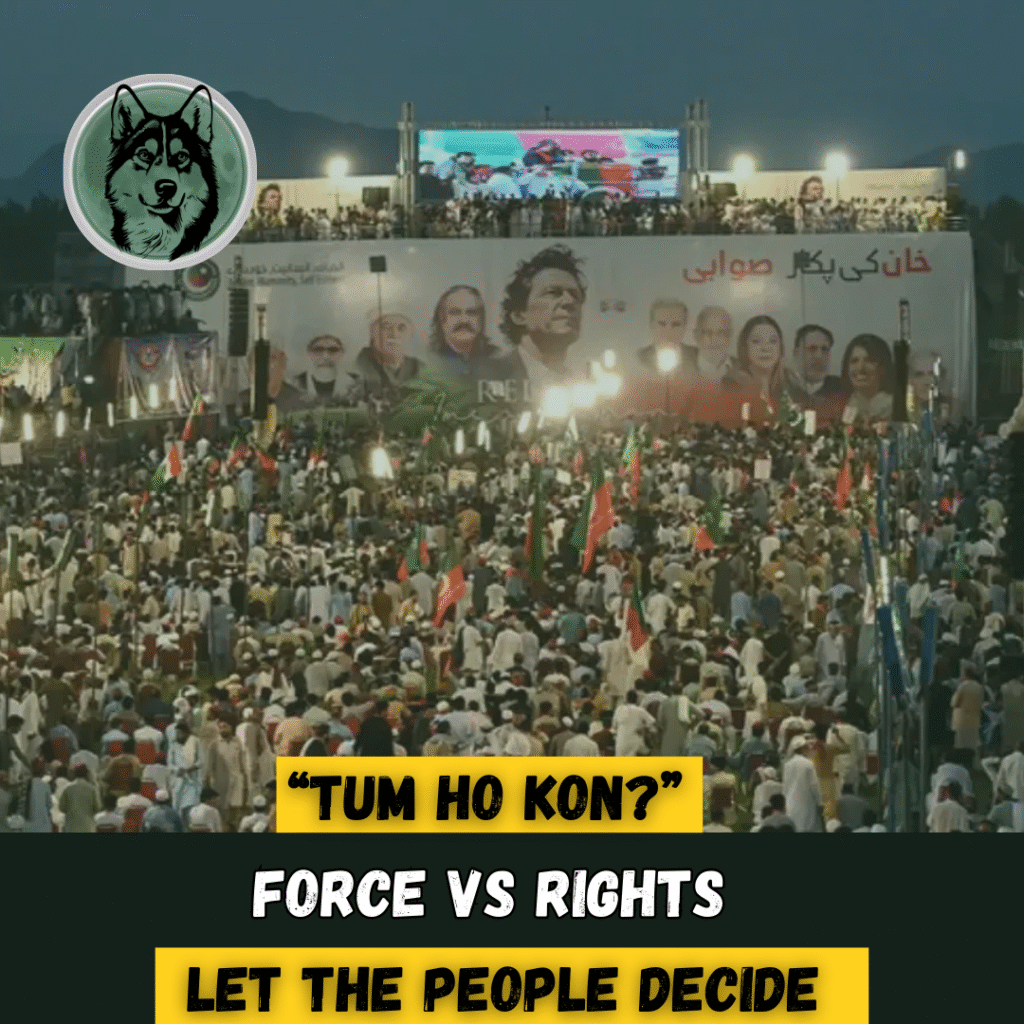
“Tum Ho Kon?” — The Question That Shifted the National Mood
When a powerful state voice asked Imran Khan: “Tum ho kon?”,
the question did not dissolve into thin air.
Instead, it returned:
“Tum ho kon?”; but this time from the public, louder and fearless.
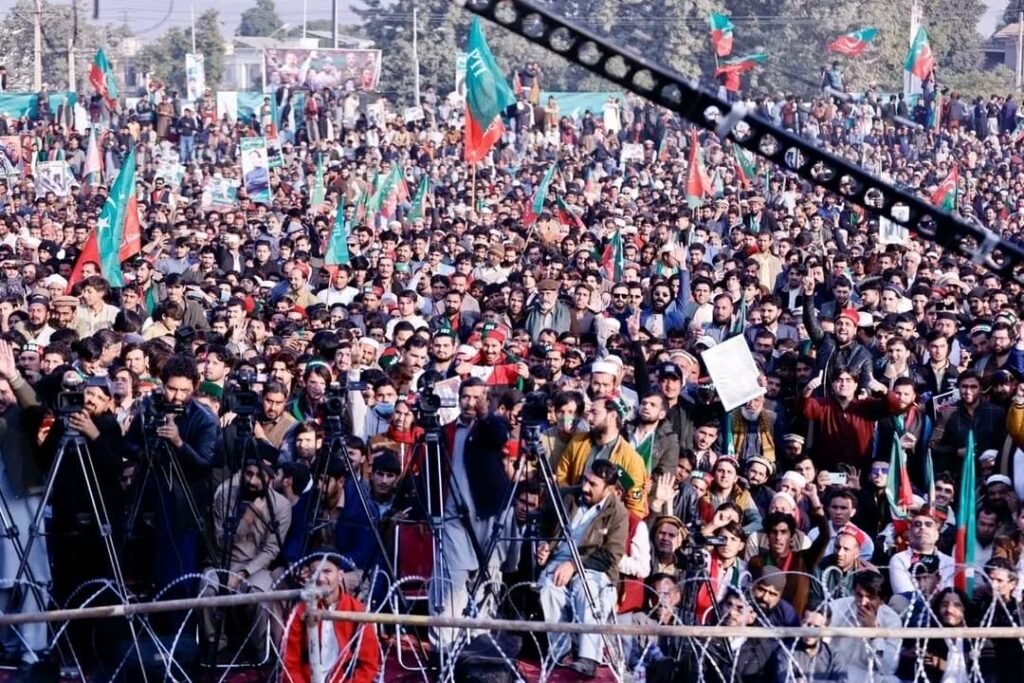
This was not abuse.
This was not trolling.
This was a constitutional inquiry.
In a republic where sovereignty rests with the people, every officeholder civilian or military must answer within constitutional boundaries.
Power and Its Limits
In Pakistan’s constitutional structure, all authority, civilian or uniformed, comes with clear, legal limits.
State institutions are designed to serve the public, not rule sentiment.
They are bound by:
- Article 4 (right of individuals to be dealt with in accordance with law)
- Article 19 (freedom of speech)
- Article 25 (equality of citizens)
- Article 90–100 (executive authority)
- Article 243 (command of armed forces remains under federal government)
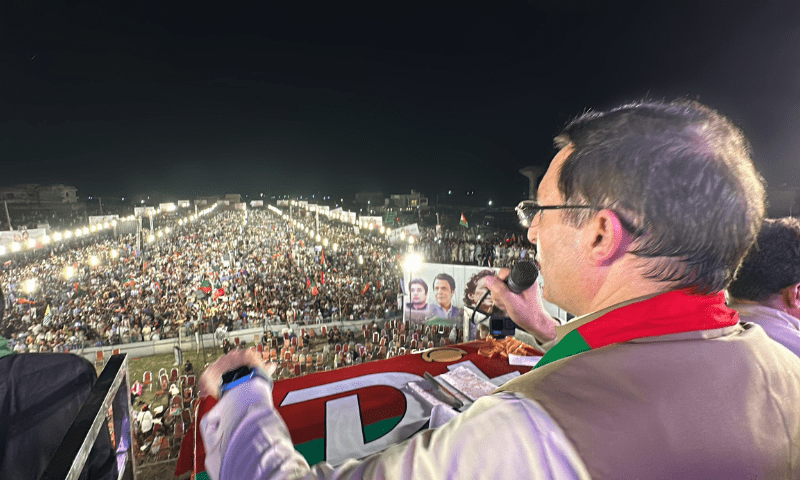
Public rights are not charity.
They are constitutional guarantees.
And the question “Tum ho kon?” only echoed because many citizens felt those boundaries had been crossed.
Public Backlash: The Fear Barrier Is Cracking
The recent DG ISPR press conference triggered something unexpected:
Instead of silencing the public, it awakened them.
Across Pakistan, citizens responded with:
- Shock
- Disapproval
- Humor and satire
- Unfiltered questions
- Massive online participation
- Spontaneous criticism
On X/Twitter, political hashtags generated millions of mentions within hours.
Digital analysts recorded a 400% spike in public engagement.
Sentiment tracking showed that over 70% of posts were critical or questioning.
Fear is breaking.
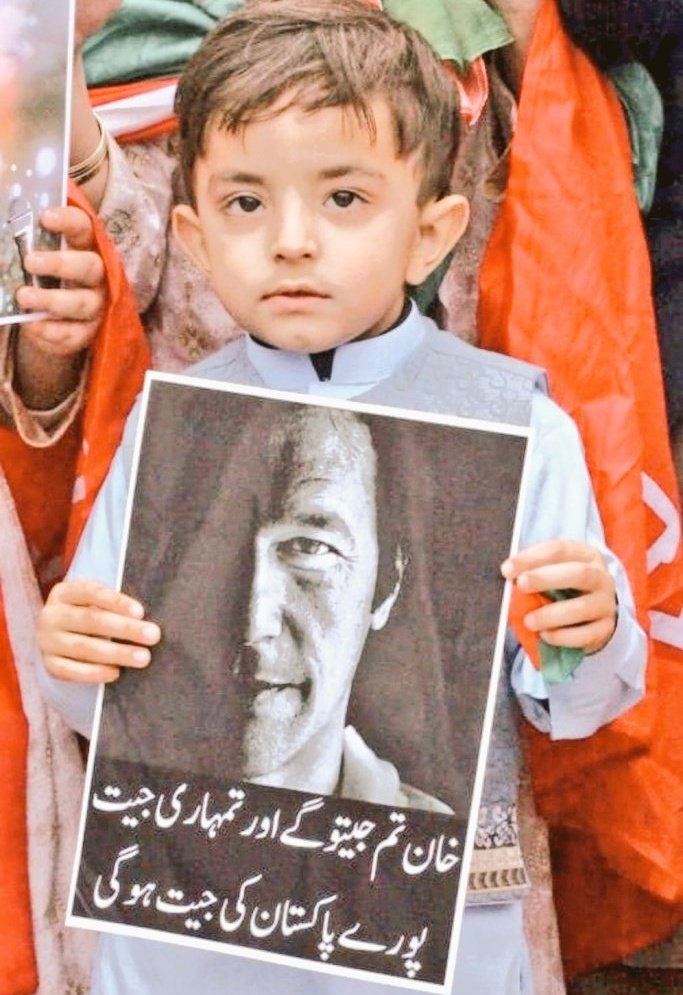
When citizens stop whispering and start questioning,
suppression becomes mathematically impossible.
History’s Verdict: Rights Outlive Force
Global history provides a consistent verdict:
- Force wins moments
- Rights win eras
You cannot:
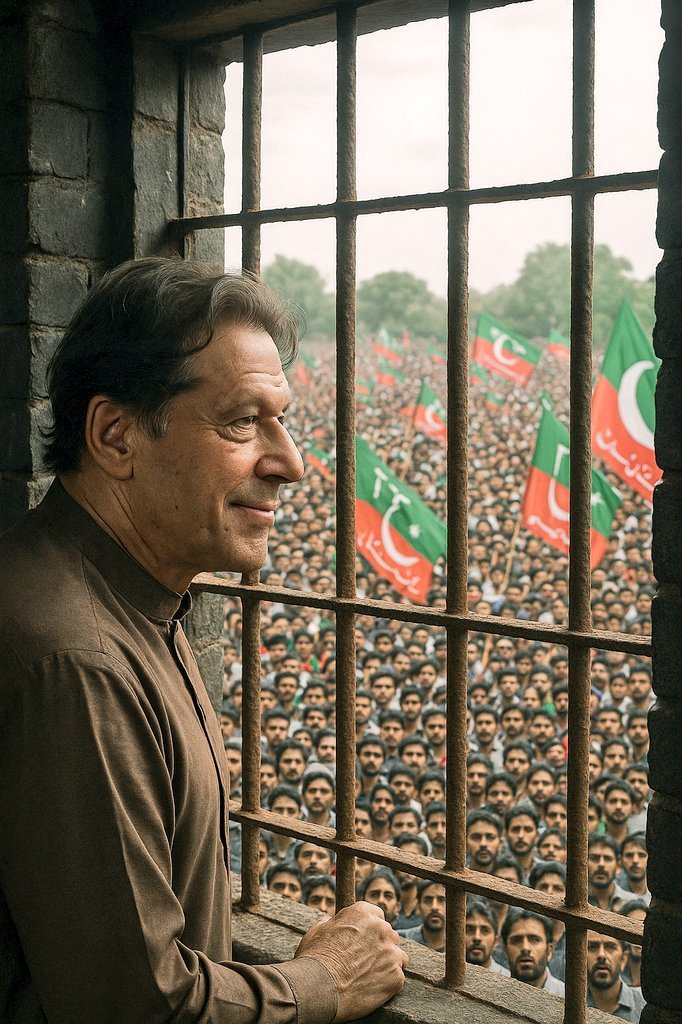
- Jail a sentiment
- Arrest a political memory
- Threaten millions into accepting a narrative
Every time force oversteps, it only weakens its own legitimacy.
Pakistan, like Turkey, Tunisia, South Korea, and Latin American states, shows one recurring pattern:
People always outlast pressure.
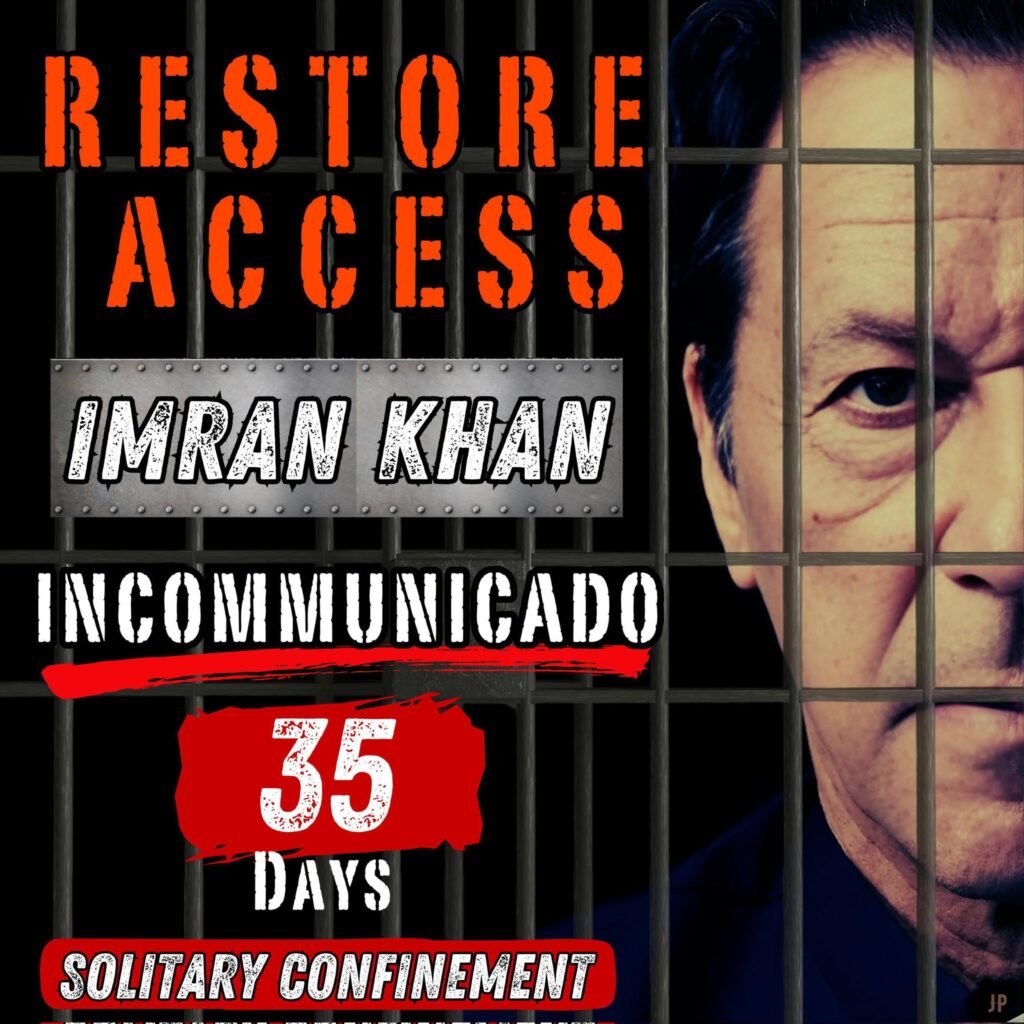
Who Pays the Price for This Conflict?
If institutions continue clashing with citizens, the consequences will be far-reaching.
Pakistan will pay through:
- Erosion of public trust (already below 30% in recent surveys)
- Damage to national unity
- Economic strain (political instability has cost Pakistan $40 billion in past decades)
- Loss of international credibility
- Rising youth frustration (64% of population under 30)
- Weakening of democratic culture
When institutions fight the public instead of serving them,
everyone loses.
Final Words: Voices Outlive Force
This moment is not about one political leader alone.
It is about a deeper question:
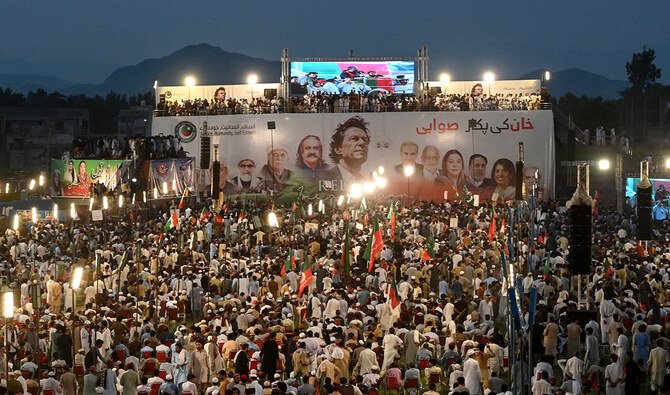
Who owns Pakistan?
The answer is clear:
Not force.
Not press conferences.
Not uniforms.
The people.
Force speaks loud.
Rights speak long.
And history is never kind to those who try to silence citizens. The human voice always remains.