




Youth-led protests fuel challenge to Nepal’s traditional political elite
Two of Nepal’s most recognisable anti-establishment figures have joined forces ahead of the country’s March parliamentary elections, setting the stage for a generational challenge to political parties that have dominated the Himalayan nation for more than three decades.
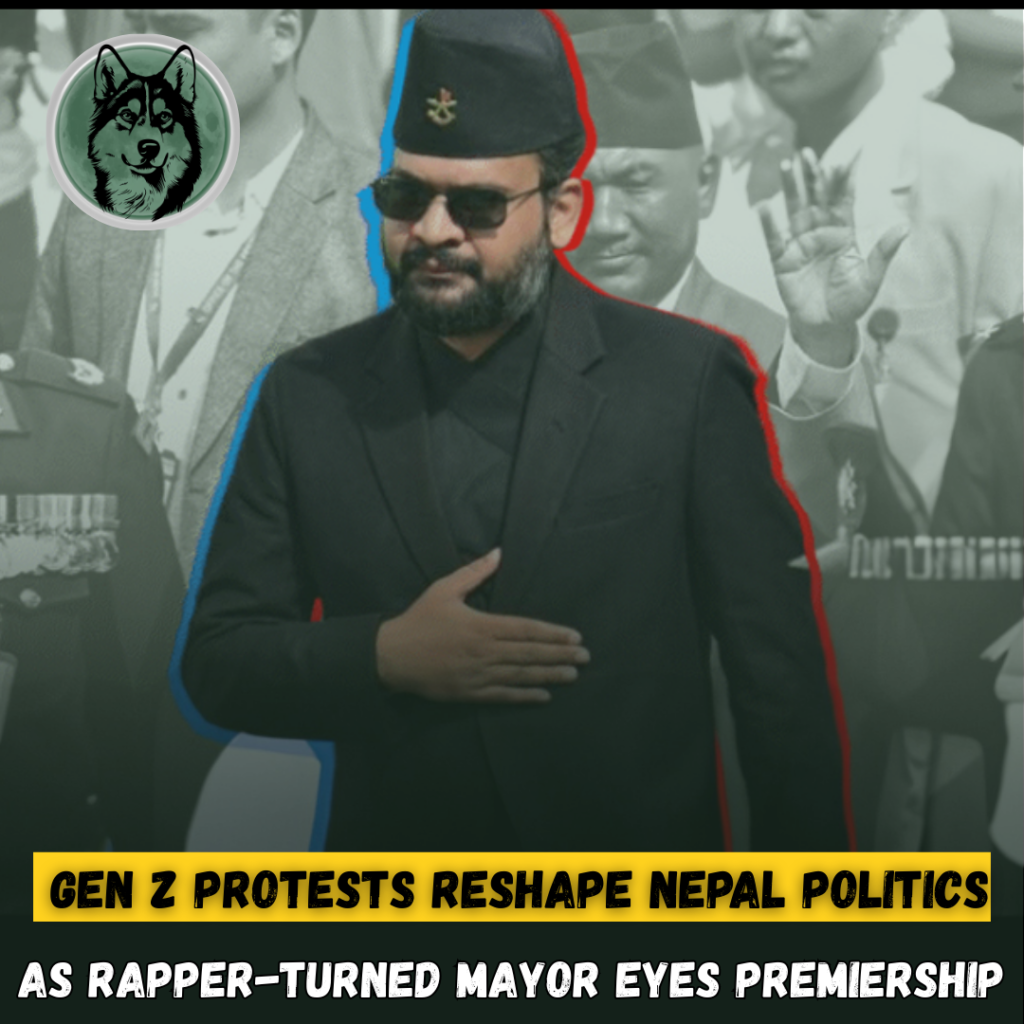
Balendra Shah, popularly known as Balen, a former rapper turned mayor of Kathmandu, has formally joined the Rastriya Swatantra Party (RSP), led by ex-television host turned politician Rabi Lamichhane, party officials confirmed on Sunday.
Power-Sharing Agreement
Under the agreement, 35-year-old Balen will be nominated as prime minister if the RSP secures victory in the March 5 elections, while 48-year-old Lamichhane will continue as party chief. The move brings together two leaders closely associated with Nepal’s growing youth-led political movement.
Both figures have pledged to pursue reforms demanded during the Gen Z protests that erupted in September against corruption, misgovernance and elite politics. The protests turned violent in several areas, leaving at least 77 people dead and ultimately forcing then prime minister K.P. Sharma Oli to resign.
Youth Vote in Focus
Political analysts view Balen’s entry into formal party politics as a strategic move aimed at mobilising young voters who feel alienated from Nepal’s traditional political class.
“It is a very smart and calculated decision by the RSP to bring Balen and his supporters into the party,” analyst Bipin Adhikari said. He added that established parties are increasingly concerned about losing their youth vote to RSP.
According to Nepal’s election commission, nearly 19 million of the country’s 30 million people are eligible to vote. Almost one million new voters, largely young people, were registered following the September protests.
A Protest Symbol Turned Political Contender
Balen rose to national prominence during the unrest and was widely seen as an undeclared leader of the youth movement, despite rarely appearing publicly. He primarily communicated with supporters through social media, a strategy that resonated strongly with younger demographics.
He also played a role in forming the interim government led by former chief justice Sushila Karki, which is overseeing the election process.
However, critics argue that his limited public presence during the protests raises questions about leadership style and accountability.
Old Guard Pushes Back
Nepal’s established political forces remain sceptical. The Nepali Congress and Communist Party of Nepal (Unified Marxist-Leninist) have dominated power-sharing arrangements for most of the past 30 years and are now facing their most vocal challenge yet.
Nepali Congress spokesperson Prakash Sharan Mahat dismissed the alliance as unlikely to disrupt the political status quo, describing both leaders as controversial figures. “People will still choose experienced parties,” he said.
Lamichhane, while popular for his anti-corruption stance as a TV host, is currently out on bail in a case involving alleged misuse of cooperative funds, an issue critics say could hurt the alliance’s credibility.
Critical Analysis: Youth Wave or Political Experiment?
The alliance between Balen Shah and Rabi Lamichhane represents a broader regional trend where youth-driven movements seek to break long-standing political monopolies. While their popularity among younger voters is undeniable, translating protest energy into governance remains a major challenge.
Nepal’s electorate is deeply polarised between demands for change and fears of inexperience. Whether this partnership becomes a transformative force or a protest-era experiment will depend on voter turnout, organisational strength, and the ability to move beyond slogans toward policy-driven leadership.
Conclusion
As Nepal heads toward a crucial election, the rise of Balen Shah signals a political moment shaped by generational frustration and digital-era mobilisation. The coming months will reveal whether Gen Z anger can truly reshape Nepal’s political landscape—or merely shake it.