



They are young, capable, and full of potential—yet invisible in policy, forgotten by systems, and locked out of opportunity
Millions of Pakistan’s adolescents and youth remain out of school, trapped in poverty, informal work, and poor health. This article explains the crisis and why urgent policy reform is needed
Who Are OOSAY?
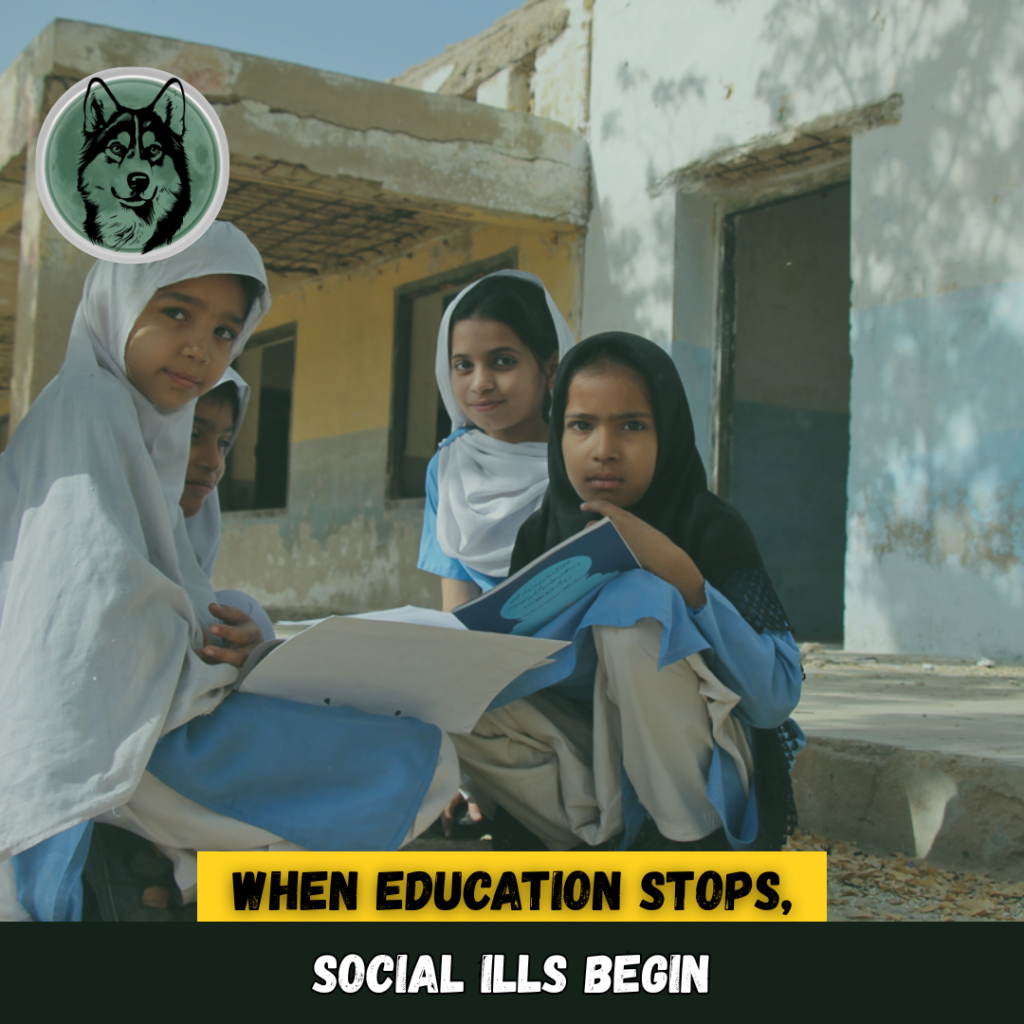
Out-of-school adolescents and youth (OOSAY) are one of Pakistan’s most ignored groups. Despite their large numbers, they rarely appear in serious policy debates or development planning.
Census 2023 shows that 63% of youth and 23% of adolescents have never attended school. Gender gaps are severe. Nearly three out of four women aged 15–29 never enrolled in school, compared to about half of men.
Exclusion from Education and Opportunity
Being out of school is not just about missing classes. It leads to exclusion from jobs, healthcare, skills training, and civic life.
Most OOSAY work in the informal sector. Because of this, they remain uncounted and unsupported. Policies often group them with “youth,” assuming they had formal schooling. Many never did.
What OOSAY Say They Need
A joint SDPI–UNFPA study in KP and Punjab asked OOSAY what support they require in four areas: education, jobs, health, and engagement.
The main barrier to education is money. Nearly three out of four respondents said they could not afford school. Other obstacles include long travel, lack of transport, safety risks, social norms, and early marriage—especially for girls.
Gendered Impact of Exclusion
Boys are pushed into early, low-paid, and physically hard labour. Almost two-thirds said they must support their families.
Girls carry most household work. About 85% spend their days in unpaid domestic duties. Many are married early. The median marriage age is 18, meaning nearly half marry at or below the legal limit.
Work Without Security
Most OOSAY cannot access stable jobs. About three-quarters have no paid work, including 95% of women.
Those who work earn very little. Nearly half make under Rs25,000 a month despite long hours. Many depend on daily wages with no protection, benefits, or skill development.
No Pathways to Skills
Over 90% of respondents never joined any vocational or skills programme. Only a small number found informal apprenticeships or home-based learning.
This leaves them trapped in low-skill work with no chance to improve their future.
Health and Mental Wellbeing Neglected
Many OOSAY face malnutrition, physical pain, and mental stress. Most rely on public hospitals or home remedies because they cannot afford care.
Two out of five show signs of mental distress, yet only 7% seek counselling due to stigma. Mental health services are rarely available.
Among married youth, 82.5% never accessed reproductive health services due to stigma or lack of facilities.
A Cycle That Repeats Across Generations
Out-of-school youth often remain poor, work in unstable jobs, and cannot afford education for their children. This repeats a cycle of illiteracy, low income, and social exclusion.
What the Government Is Missing
Current policies focus on re-enrolling children of school age. Many OOSAY are already too old for formal schooling.
They need different solutions: alternative education, skills training, safe work opportunities, and health access.
What Must Be Done
Policymakers must treat OOSAY as a distinct group. This requires:
- A coordinated national and provincial strategy
- Dedicated budgets and better data systems
- Stronger labour law enforcement
- Child labour reforms and poverty reduction
Programs should include flexible education, market-based skills training, formal apprenticeships, and job or business support through local youth centres. Special measures must ensure safe access for girls through transport, community outreach, and gender-sensitive planning.
Critical Analysis of the Writer’s Approach
Evidence-Based Framing
The writer relies on Census 2023 data and the SDPI–UNFPA study, which gives the argument strong credibility. This use of verified evidence makes the problem difficult to ignore in policy debates.
Focus on Structural Causes
The article does not blame individuals. It clearly shows that poverty, gender norms, weak labour protection, and limited access to services are the real drivers of exclusion. This correctly shifts responsibility toward institutions and governance.
Gender-Sensitive but Statistical
The gender analysis is strong and clear. It highlights how boys enter early labour while girls remain trapped in unpaid work and early marriage. However, the heavy reliance on numbers, without personal stories, limits emotional impact.
Strong Diagnosis, Weak Execution Path
The writer proposes reforms in education, skills training, and labour laws. Yet, these remain broad. There is little detail on funding, political feasibility, or institutional capacity, which weakens practical applicability.
Institutional Over Community Lens
The focus is mainly on state policy. Grassroots initiatives, NGOs, and community-based learning systems receive little attention, even though they could play a key role in reintegration.
Reframing Youth as a National Priority
The article’s major strength is its long-term framing. It connects OOSAY to economic growth, health outcomes, and intergenerational poverty, showing that neglect threatens Pakistan’s future development.
Overall Assessment
The analysis is rigorous and data-driven. Its main gap is the lack of actionable detail and human narrative. Despite this, it successfully elevates OOSAY from a marginal issue to a national policy priority
Conclusion
Pakistan cannot afford to ignore millions of out-of-school youth. Without urgent, targeted action, the country risks losing its demographic advantage and locking another generation into poverty, poor health, and insecurity.