


Iran rejects US demands, warns of regional port insecurity
Rising Maritime Tensions
Iran has issued a strong warning over maritime access in the Gulf, declaring that regional ports are “either for everyone or for no one.” The statement, reported via state media, underscores Tehran’s firm stance amid escalating tensions with the United States.
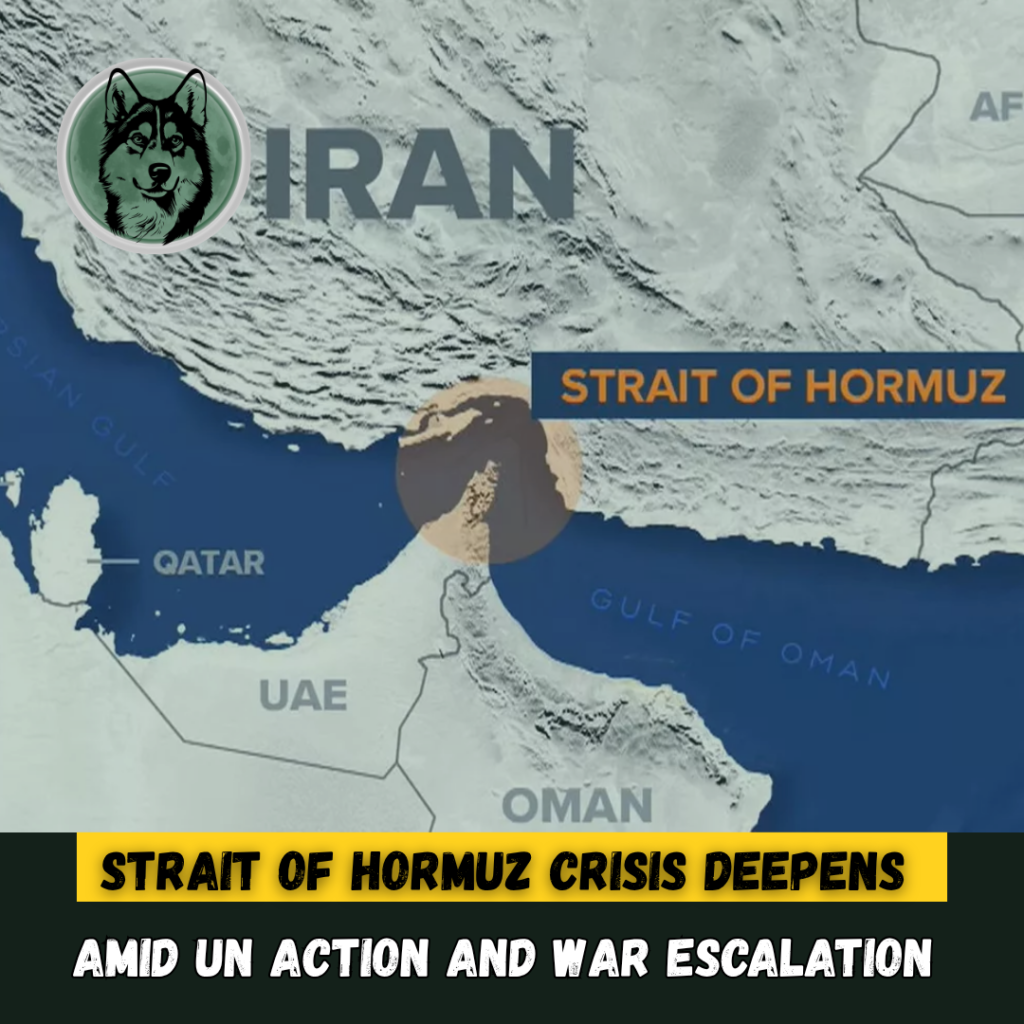
The warning specifically targets movement through the Strait of Hormuz, a critical global energy corridor. Iranian forces emphasized their right to control territorial waters, calling any restrictions imposed by the US “illegal” and equating them to acts of piracy.
US Weighs Military and Naval Actions
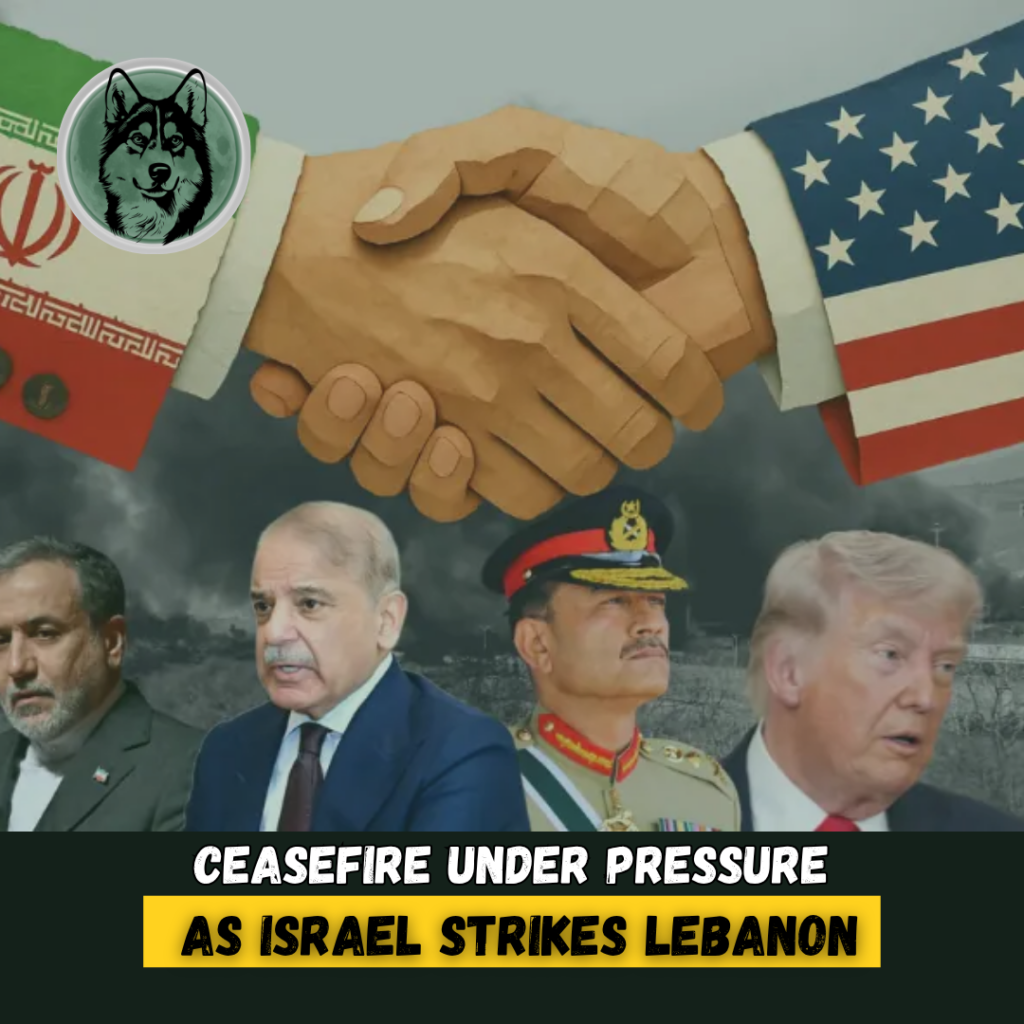
Following the collapse of the Islamabad Talks 2026, Donald Trump is reportedly considering limited military strikes alongside a naval blockade targeting Iranian ports.
The US military has announced plans to enforce a maritime blockade, aiming to control vessel traffic linked to Iran. While ships heading to non-Iranian ports may pass, any vessel associated with Iranian toll payments or routes could face interception.
Trump further warned that any hostile action by Iran would be met with overwhelming force, signaling a potential escalation in military engagement.
Ceasefire Under Threat
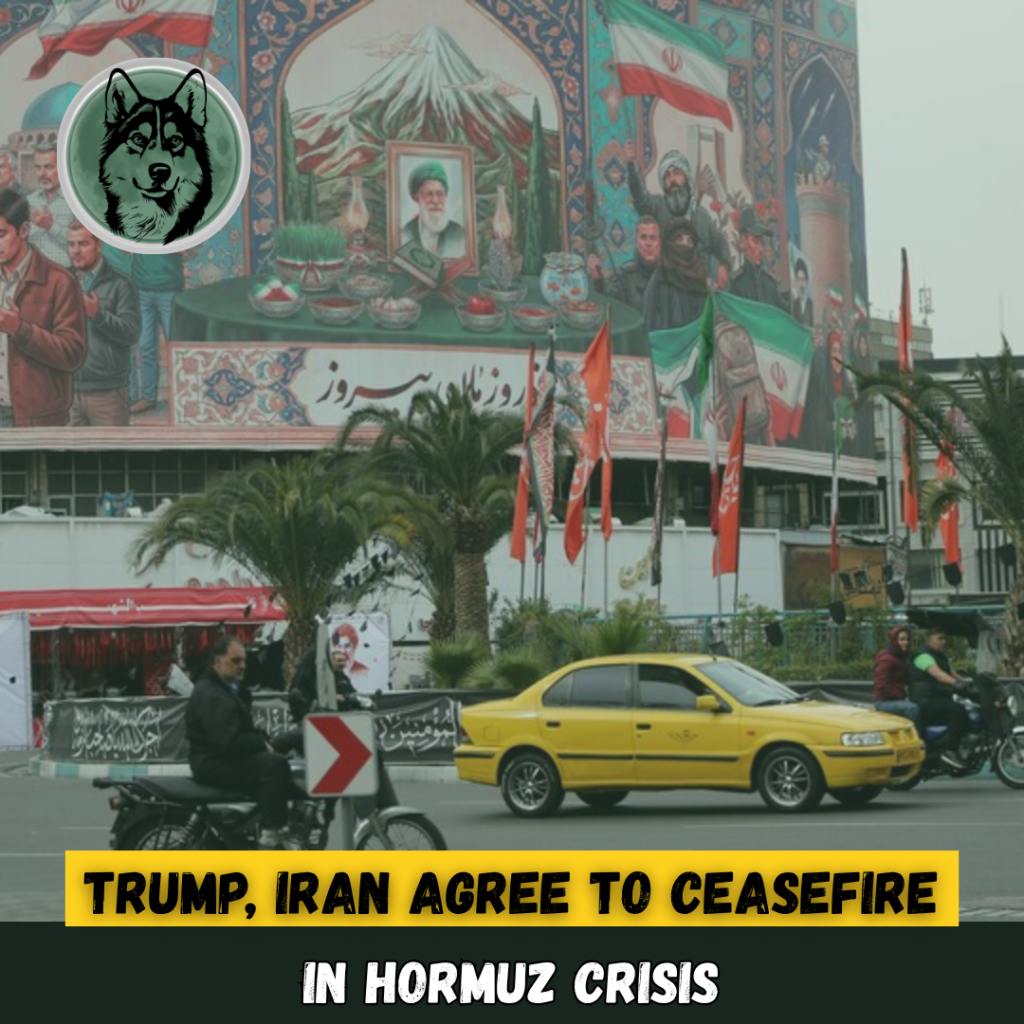
The ongoing two-week ceasefire now appears increasingly fragile. Iran’s Revolutionary Guards have warned that any approaching military vessels could be treated as a violation of the ceasefire and handled decisively.
The talks in Islamabad marked the first direct engagement between the US and Iran in over a decade, raising hopes for a diplomatic breakthrough. However, key disagreements over nuclear policy and control of the Strait of Hormuz ultimately led to a breakdown.
Global Economic Impact
The rising tensions have already begun to shake global markets. Oil prices surged over 7%, crossing the $100 per barrel mark, reflecting fears of supply disruptions through the Strait, which handles nearly 20% of the world’s energy flow.
Shipping activity has also slowed, with several tankers avoiding the region ahead of the anticipated blockade. Analysts warn that prolonged instability could drive inflation and increase fuel prices worldwide.
Diplomatic Deadlock
Iranian officials accused the US of adopting rigid and unrealistic demands, including a complete halt to uranium enrichment and withdrawal of regional support for allied groups.
Despite some progress in negotiations, major sticking points remain unresolved. Iranian leadership has signaled willingness for a “fair agreement,” but only within the framework of international law.
Meanwhile, Trump has sent mixed signals—expressing both openness to further talks and indifference if Iran refuses to return to the negotiating table.