



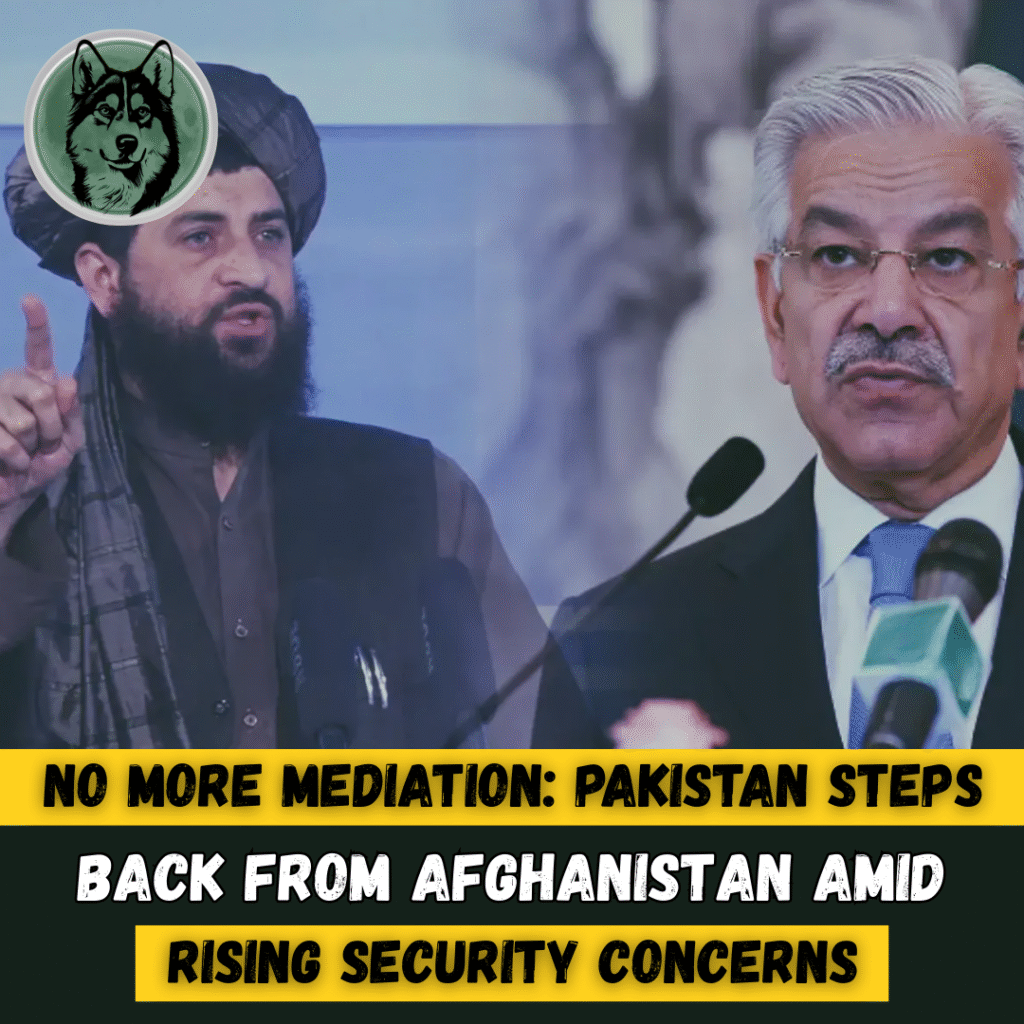
Shift driven by Kabul’s inaction against TTP despite repeated engagements
Pakistan Ends Afghan Taliban Appeasement, Adopts Strategic ‘Waiting Game’
Pakistan has officially abandoned its long-standing approach of appeasing the Afghan Taliban, adopting instead a “waiting game” foreign policy that marks one of the most significant shifts in regional strategy in years. Senior officials say Islamabad is now comfortable watching developments in Afghanistan unfold without direct intervention or diplomatic firefighting.
Why Pakistan Changed Its Policy
Officials familiar with the internal discussions say the shift stems from deep frustration over Kabul’s refusal to act against the banned Tehreek-e-Taliban Pakistan (TTP). Despite multiple high-level delegations, security talks, and international mediation, the Afghan Taliban have not taken meaningful steps to dismantle TTP networks operating from their territory.
A senior Pakistani official noted:
“We realised we were investing energy without any meaningful outcome. If Afghan authorities are unwilling or unable to address our core concern, then there is no reason for us to carry the burden of expectations.”
For years, Pakistan was considered by the international community as the only country capable of “delivering” the Taliban. Officials say this framing placed unfair pressure on Islamabad and damaged its diplomatic standing.
Decoupling Pakistan From the Taliban
One of the most significant developments is the global shift in how Pakistan is viewed regarding the Taliban.
Officials say the world now understands that Pakistan does not control the Afghan Taliban a perception that long burdened Islamabad diplomatically.
“For two decades, everything that happened in Afghanistan eventually landed on our plate,” another official remarked.
“Now the world sees Afghanistan for what it is and sees our role for what it truly is.”
Impact of India’s Afghan Engagement
Amid this recalibration, India has quietly reopened limited channels with Kabul through humanitarian aid, diplomatic contacts, and potential trade links via Chabahar.
Islamabad, however, downplays any strategic concern:
“Let them do whatever they wish. We wish them good luck.”
This statement signals Pakistan’s confidence in its new low-engagement approach.
How This Shift Affects Pakistan
1️⃣ Reduced Diplomatic Burden
For the first time in years, Pakistan has relieved itself of the pressure to “fix” Afghanistan or explain Kabul’s decisions to the world.
2️⃣ Clearer Regional Positioning
Pakistan can now focus on its own national security priorities without being tied to Afghan internal politics.
3️⃣ Stronger Leverage Over Border Policy
With Afghanistan failing to act on TTP sanctuaries, Pakistan maintains strict border measures, including crossing closures until verifiable action is taken by Kabul.
4️⃣ Strategic Patience as a Tool
By opting for a “wait and watch” approach, Pakistan signals that responsibility now lies with Kabul, not Islamabad.
Ongoing Tensions at the Border
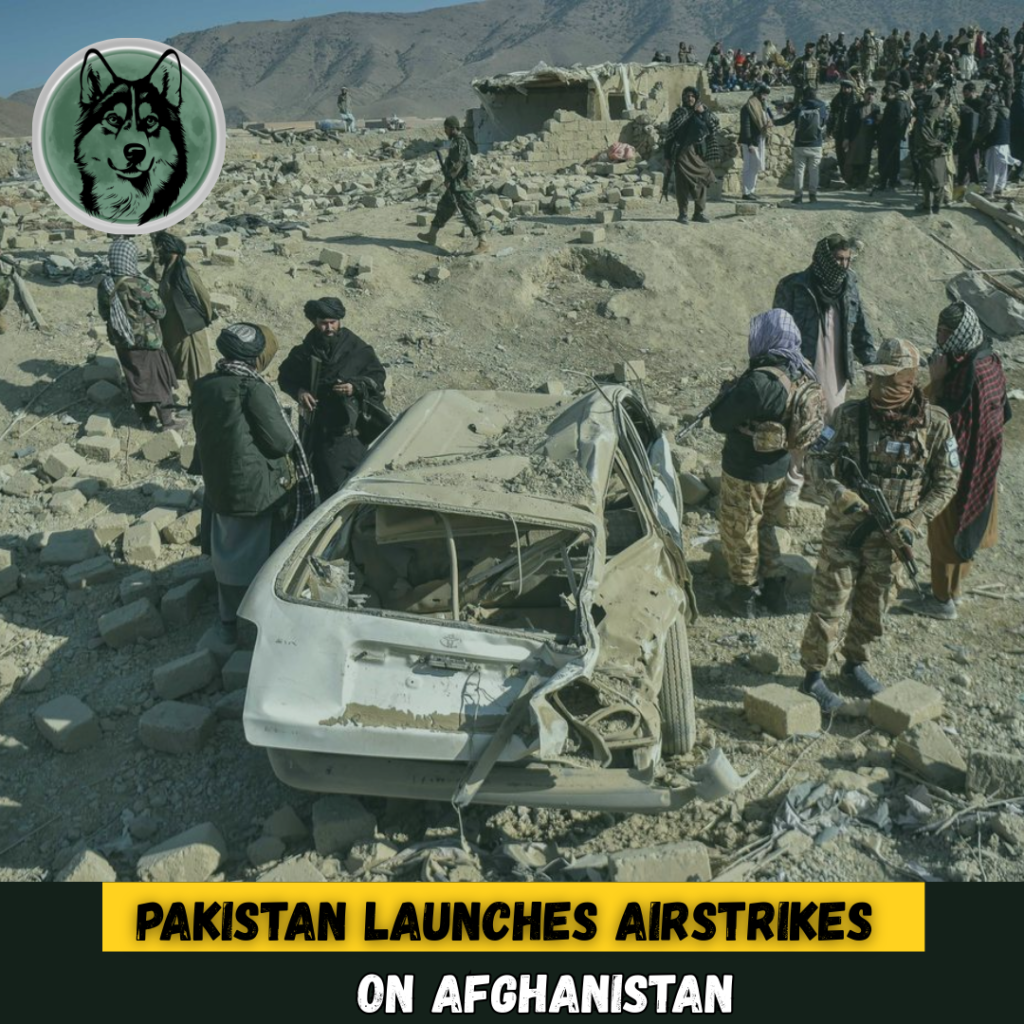
Pakistan has kept several border crossings closed indefinitely after repeated cross-border firing incidents and attempts by TTP militants to infiltrate. Officials accuse Afghan forces of facilitating these movements, prompting decisive responses by Pakistani security forces.
Islamabad has made it clear:
Border openings will remain conditional on Kabul dismantling TTP networks.
What This Means for Regional Stability
Pakistan’s new stance introduces a new phase in South Asian geopolitics:
- Afghanistan faces increasing international scrutiny without Pakistan shielding it.
- Pakistan frees itself from expectations it can no longer fulfil.
- Tensions may rise in the short term, but Islamabad believes the policy will create long-term clarity.
The new doctrine is simple:
No appeasement. No mediation. No burden. Afghanistan must stabilise itself.