



Journalists face restrictions while civilians live in a devastated land, leaving the world to see the conflict through limited lenses
Civilians pay the price of conflict; the world sees only fragments of their suffering. In a land torn by war, journalists risk their lives to report, yet governments restrict their eyes on the ground.
Israel Upholds Media Ban in Gaza
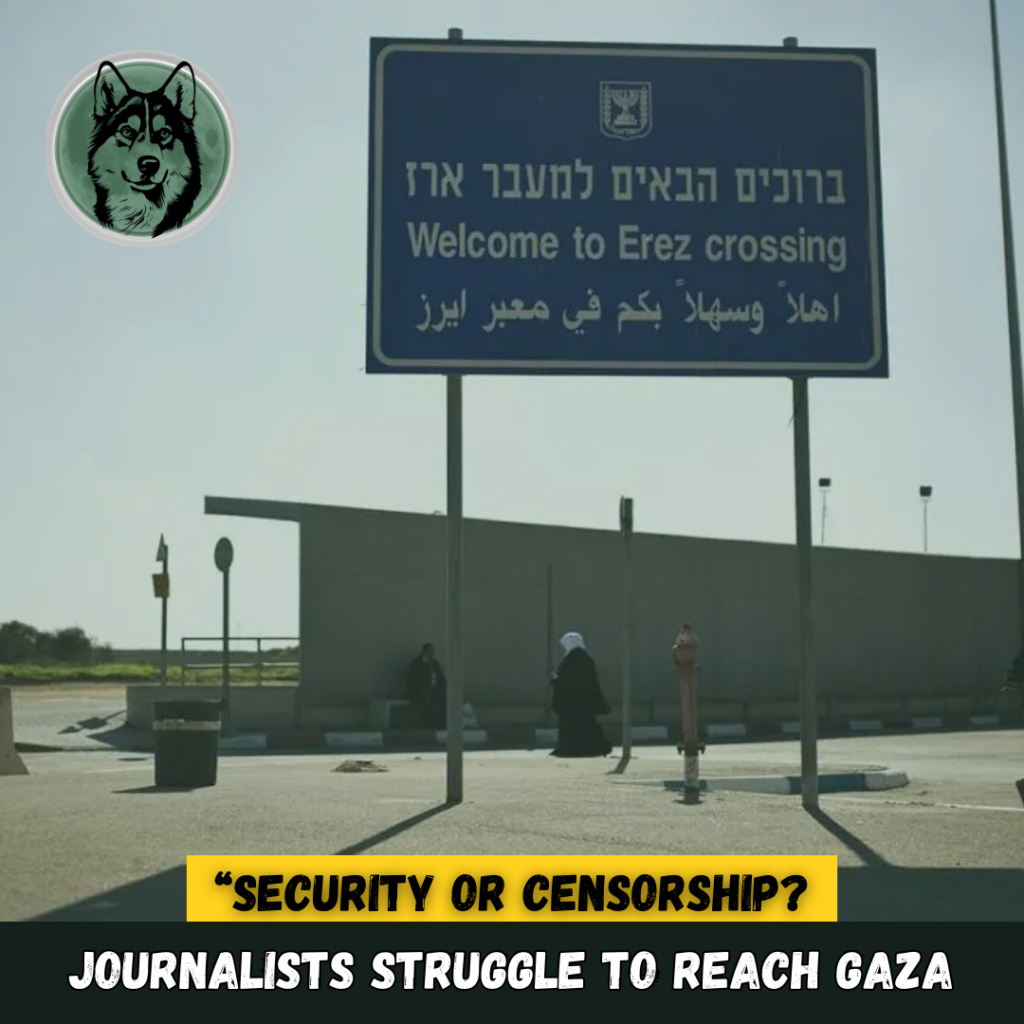
Israel told its Supreme Court that the ban on international media access to Gaza must continue due to security risks. Since the outbreak of the Gaza war in October 2023, triggered by a Hamas attack, Israel has barred foreign journalists from entering the territory freely.
Instead, Israel allows only a limited number of reporters, embedded with military units, to enter Gaza on a case-by-case basis.
Legal Challenge by Foreign Press
The Foreign Press Association (FPA), representing hundreds of foreign journalists, petitioned the Supreme Court in 2024 for immediate and unrestricted access to Gaza. The court extended deadlines several times, setting January 4 as the final date for Israel to respond.
Late Sunday, Israel submitted its defense, insisting that unescorted media entry poses a serious security threat. Authorities said the ceasefire remains fragile, and military operations to locate the remains of the last prisoner, Ran Gvili, are ongoing.
Security Concerns and Ceasefire Violations
Israel cited ongoing ceasefire violations by Hamas as a key reason for the media ban. The military stated that quick responses to threats could endanger journalists. Since October 10, the Gaza health ministry reports 420 Palestinian deaths, while Israeli forces lost three soldiers during the same period. Israel warned that unmonitored media access could interfere with sensitive operations, including prisoner recovery.
Critical Analysis
Israel’s stance reflects a delicate balance between security and transparency. While it prioritizes soldier safety and ongoing operations, limiting media access hinders independent reporting and global awareness of humanitarian conditions.
The ban raises questions about accountability during conflict and the role of international law in protecting journalists. It also affects public perception worldwide, as information flows mostly through controlled channels.